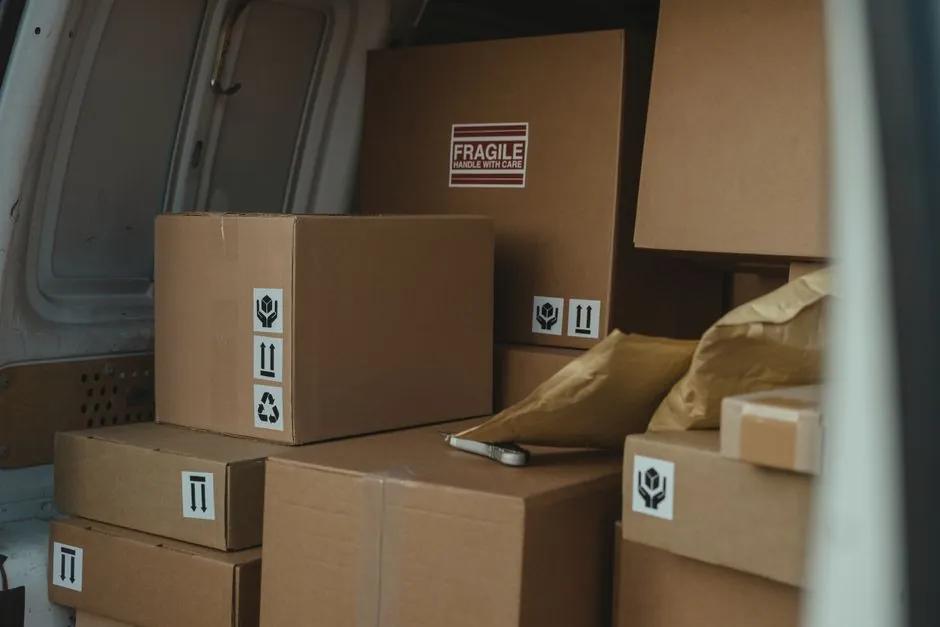
A cold chain capping or sealing machine has to clear four hard gates before a process engineer signs the PO: IP65+ enclosure for condensation and washdown, cap family compatible with the chilled or frozen SKU actually being packed, throughput matched to the cold-room campaign volume, and torque or seal-integrity monitoring that keeps partial-seal leakers below the 2% pass bar documented in induction-cap acceptance criteria [S4][S9].
Selection is rarely a like-for-like swap with an ambient-line capper because the duty cycle is bursty: 2-3 day runs per month for vaccine vial changeover, frozen-meat pail top-up, or deionized-water drum field-filling, with the rest of the month idle in a 2-8 degrees C room or a -25 degrees C blast freezer [S4].
Enclosure, Condensation, and Cold-Rated Construction
Cold-room and freezer-yard cappers are routinely cited in the IP65-or-better band when the line sits under a canopy open to condensation drip, splashed glycol, or routine hose-down cleaning, with stainless contact parts keeping sealing geometry stable when ambient humidity swings between 15% and 95% RH [S4]. A stainless frame, sealed bearing blocks, and an induction head with a gasketed junction box are non-negotiable when the capper lives at 2-8 degrees C, and pneumatic seals rated for sub-zero flex become mandatory below -10 degrees C to keep the chuck from icing between campaigns.
What a cold-rated machine is NOT for: cleanroom aseptic pharmaceutical filling, sterile vial processing, or any line that needs a fully stainless NEMA 4X interior with sanitary tri-clamp connections. Those belong inside a positive-pressure wash-down room, not a chill room where the operator wears a parka [S4].
Cap Family and Container Compatibility Matrix
The first screening question is always cap family versus container: ROPP alu caps need a different head geometry from screw-caps, pump-caps, press-on caps, and child-resistant closures, while tin/can cappers stay dedicated to metal cans in chemical, paint, and food service [S1][S4]. For a cold-chain packing hall the practical options narrow to: a portable ROPP bench-top capper for small alu vials of vaccine diluent, a torque-controlled screw-capper for HDPE jerry-cans of cutting fluid, a single-head can seamer for 5-25 L chemical drums, and an induction-seal unit for foil-lined closures on refrigerated dairy or ready-meal trays. The decision pivots on container diameter range (typically 30-110 mm for bottles, 50-300 mm for cans) and on whether the closure is foil-lined, induction-sealed, or a plain screw [S4].
A quick comparison of the four families used in cold-chain packing:
ROPP bench-top: 15-30 cpm, torque 0.2-2.0 N·m, accuracy ±0.2 N·m, suits small-batch vaccine diluent vials [S1][S4]. Servo screw-capper inline: 60-200 cpm, torque 0.5-6.0 N·m, accuracy ±0.05 N·m, suits HDPE jerry-cans and pump bottles on a refrigerated line [S1]. Can seamer single-head: 20-60 cpm, suited to 5-25 L metal pails of coolant and solvent [S1][S4]. Induction foil sealer: matched to a 2% leaker acceptance threshold, partial seals traced to inconsistent torque, unflat land area, contaminated land, liner thickness, or closure geometry that cannot accommodate liner overhang [S4].
Throughput, Torque, and Cold-Chain Seal-Integrity Acceptance
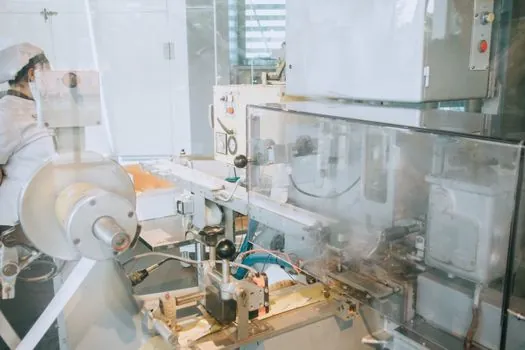
Consistency of capping torque and seal quality at varying line speeds is the core quality gate, and high speed is only an advantage if it does not compromise cap integrity when the container is wet from condensation or frost [S1][S4]. The published acceptance threshold for an induction-cap sealing line treats leaker rates under 2% as the pass bar, with partial seals and high-percentage leakers traced back to inconsistent torque, unflat land area, contaminated land, liner thickness, or closure geometry that cannot accommodate the liner overhang [S4].
Concrete numbers to specify on the PO: capping-head speed in containers per minute (typical bench-top ROPP: 15-30 cpm; inline automatic: 60-200 cpm), torque range in N·m (commonly 4-25 N·m for plastic bottles, 0.2-2.0 N·m for small alu vials), torque-monitoring tolerance plus or minus 5%, and a documented leaker-rate test on three production runs pulled from a 2-8 degrees C cold room before sign-off [S1][S4]. Reference spec sheets put the production-speed envelope at 30-600 containers per minute across the full industrial capper range, with the wide spread driven by cap diameter and container diameter, not by ambient temperature class [S9].
Cold-Chain Specific Failure Modes and What to Reject on First Inspection
Three failure modes show up on cold-chain capper audits that never show up on ambient-line audits: condensation shorting the torque-controller board when the capper is rolled out of a 2-8 degrees C room into a 22 degrees C dock and immediately started; liner embrittlement below -15 degrees C causing foil seals to crack instead of bonding; and pneumatic-condensate freeze-up in unheated cylinders during a -25 degrees C blast-freezer campaign [S4]. Reject on first inspection: any capper without a documented IP65+ test certificate, any induction head without a gasketed junction box, and any pneumatic circuit without a sub-zero-rated seal kit.
For pharmaceutical and vaccine SKUs, lid cappers typically carry stainless construction, Clean-in-Place capability, and torque repeatability of plus or minus 0.1 N·m, with cap placement accuracy under plus or minus 0.2 mm; these are the floor spec for any cold-chain line that touches a regulated drug product, and a servo-driven head is the only architecture that holds the tolerance across a 2-8 degrees C cold room [S1].
Drive Architecture, Materials, and Maintenance Window
Drive architecture should match duty: pneumatic (0.5 kW, 5 bar at 10 L/min) for entry-level bench cappers handling 20-40 cpm, single-servo (1.2 kW, 6 bar at 20 L/min) for mid-range lines at 60-120 cpm, and multi-servo (2.5 kW, 7 bar at 30 L/min) for high-speed lines at 200-350 cpm [S1]. Material of construction tracks contact risk: 304 stainless for general food and beverage, 316 stainless for aggressive coolants and brine, and anodized aluminum only on non-contact frames. Construction weight scales from 80 kg (bench) to 350 kg (high-speed inline), and the changeover from one container family to another should be expressible in minutes, not hours, or the cold-chain campaign budget collapses [S1][S5].
Reliability is a manufacturer decision before it is a spec decision: the more robust the mechanical design and the more recognized the electrical components, the less downtime and the lower the lifetime maintenance cost on a line that is already penalized by cold-room PPE time [S5]. Specify integration up front: the capper's containers-per-minute rating has to meet or exceed the filler's rating so the capper never starves the line, and the HMI should expose torque, leaker rate, and induction-head temperature as logged tags, not as hidden service menus [S1][S5].
Procurement Spec Sheet: Minimum Fields and Next Signals
The minimum fields a 2026 cold-chain capper PO must carry: cap diameter range in mm, bottle height range in mm, capping speed in cpm, torque range in N·m, torque accuracy in N·m, drive type, power consumption in kW, air supply in bar and L/min, machine weight in kg, construction material grade, IP rating, cold-room temperature class (2-8 degrees C, -25 degrees C, or ambient), induction-seal leaker acceptance under 2%, and a documented leaker-rate test on three production runs before sign-off [S1][S4][S9]. Container compatibility must spell out round bottle, square bottle, vial, or special shape, with adjustable starwheels or change parts sized to the actual SKU [S9].
Trackable next signals to watch on a cold-chain capper quote: a published IP66 test certificate (one step above the IP65 floor) for any unit destined for a -25 degrees C blast freezer, a servo torque-controller with condensation-rated conformal coating, and a vendor willingness to run an acceptance test at the line's actual cold-room temperature rather than at 22 degrees C ambient [S4]. For a related decision gate on upstream filling equipment used on the same refrigerated line, the retail distribution filling machine spec map lays out the matching throughput and CIP gates. For regulated drug product on a cold chain, the pharmaceutical filling machine spec map defines the aseptic and torque gates a capper must integrate against. Encyclopedia references for cap and seal terminology used above sit at capping sealing machine, sealing, and logistics packaging.