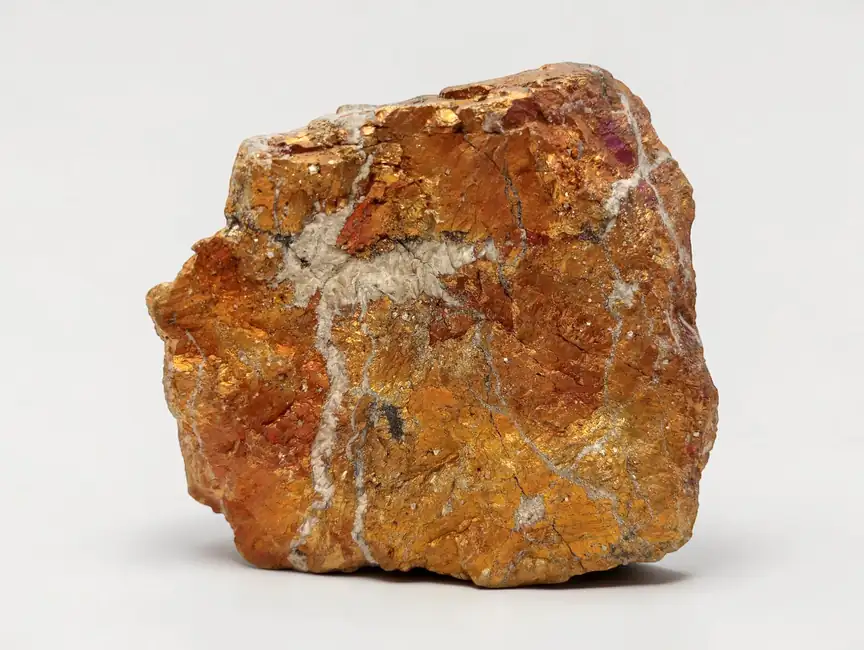
Raw materials account for 56%–71% of steelmaking costs, while scrap can represent up to 72% of EAF production expenses, making iron ore and scrap the dominant cost drivers [S3].
BF-BOF mills primarily buy iron ore and coking coal, whereas EAF mills use scrap; the resulting cost structures expose buyers to different commodity and energy risks [S3].
Carbon Steel Cost Structure by Production Route
Iron ore is the principal metallic input for blast furnace and basic oxygen furnace steelmaking, while coking coal serves as both fuel and reducing agent [S3]. These mills therefore carry combined exposure to ore, coal, freight and plant-energy costs.
For engineering readers needing the broader material context, carbon steel remains the appropriate product family, while cast iron follows a different scrap-based melting model and should not be treated as a carbon steel substitute.
Iron Ore, Scrap and Finished Steel Price Exposure
USGS maintains supply, demand and material-flow information for iron and steel scrap, confirming scrap as a globally traded mineral commodity with its own physical market rather than a simple by-product [S1]. Its quality, location, processing requirements and available replacement supply therefore affect the input price paid by EAF mills.
The Federal Reserve Bank of St. Louis producer price index for carbon steel scrap, series WPU101211, registered 535.388 in September 2026, down from 537.551 in August and 543.238 in July 2026 [S2]. This month-over-month pattern shows why a single scrap quotation is an inadequate budgeting basis.
Scrap steel traded at $391.50 per metric ton on October 22, 2026, down 0.76% from the preceding session and 3.09% over the preceding month [S8]. That direction contrasts with the September 2026 finished-steel market, when hot-rolled coil was $1,213 per ton, cold-rolled steel was $1,446 per ton, coated steel was $1,551 per ton, and plate was $1,360 per ton [S5]. Finished product price therefore cannot be read directly as a scrap-price pass-through.
Comparing BF-BOF and EAF Carbon Steel
BF-BOF carbon steel is economically tied to iron ore, coking coal and relatively energy-intensive integrated production, while EAF steel is tied more directly to scrap and electricity. The comparison below organizes the two routes by feedstock, dominant cost exposure, logistics and practical buyer use. [S7]
CRU and MEPS indices serve different purposes in this market structure. The CRU benchmark is used in North American steel pricing, including hot-rolled coil references, while MEPS publishes monthly regional and product-level benchmarks for carbon steel, stainless steel and raw materials [S9][S4]. Neither benchmark isolates iron ore from conversion cost, energy, freight or finished-product scarcity.
Why Finished Steel Can Rise While Scrap Falls
September 2026 finished-steel prices were supported by constrained service-center inventories, limited mill spot offers and extended lead times rather than by scrap alone [S5]. Nucor’s weekly hot-rolled coil consumer spot price was $1,185 per ton on September 2, 2026, below the $1,213 per ton market price listed for that month [S5].
Domestic raw steel production was 1,818,000 net tons in the week ending August 29, 2026, with capacity utilization at 78.7%; the comparable 2025 figures were 1,764,000 net tons and 78.2% utilization [S5]. These figures illustrate how mill operating rates and inventory policy can offset a softer raw-material index.
Other cost and availability drivers include tariffs, import competition, mill outages, restocking and freight [S3][S5]. MEPS data coverage includes hot-rolled, cold-rolled, rebar, sections and beams across multiple regions, with monthly updates and three years of historical data included in its subscriptions [S4]. A defensible steel-cost model should therefore track feedstock, energy, freight, conversion margin, inventory and lead time as separate variables rather than applying one scrap-based formula universally.
Cost Drivers Buyers Can Track and Qualify
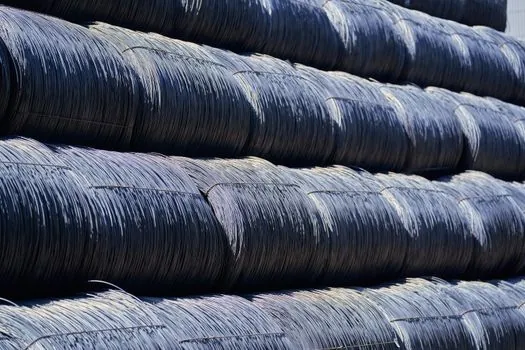
Material cost is the first driver to qualify, but it is not the full purchase cost. Energy, labor, processing, transportation and operating overhead complete the conversion cost, with energy reaching 25% of EAF production in high-electricity-price regions [S3].
Volume tier changes the commercial structure. MEPS offered a single data table at GBP 290 per year, monthly price updates and three years of historical data under its published subscription structure [S4]. For large buyers, direct mill agreements, index-linked formulas and volume commitments can improve price visibility, but the available research does not establish a universal discount schedule.
Lead time is the second major purchasing variable because steel shortages can outweigh commodity movements. Plate reached $1,360 per ton in September 2026, and some mill lead times extended into early 2027 [S5]. For project procurement, the economically relevant cost is not only the quoted price per ton: it is the carrying cost of inventory, expediting, downtime, welding consumables, installation labor and maintenance over the asset life.
Scrap quality, sorting rules, delivered location and mill rejection terms belong in the quotation request because they determine the effective feedstock cost. Buyer comparisons should use the same product specification, delivery basis, payment terms and index definition. Combining an HRC price, a scrap index and a mill premium from different geographies produces a misleading cost estimate.
Sourcing Data and Market Signal Discipline
USGS data provide the physical-market foundation for iron and steel scrap, FRED series WPU101211 provides a consistent producer-price time series, and MEPS and CRU provide finished-steel benchmarks [S1][S2][S4][S9]. The sources are complementary: one describes scrap supply and flows, one tracks a carbon-steel-scrap price index, and the others benchmark regional mill products.
Concrete market examples include the September 2026 scrap index at 535.388, scrap steel at $391.50 per metric ton on October 22, 2026, hot-rolled coil at $1,213 per ton, and plate at $1,360 per ton [S2][S8][S5]. The dated observations should remain separate because they represent different products, units and market mechanisms.
The next procurement checkpoint should compare the monthly WPU101211 movement with scrap-steel spot pricing, mill utilization and quoted lead time. A sustained scrap decline combined with falling utilization and shorter lead times would indicate a different purchasing environment from a scrap decline occurring while inventories remain low and mills restrict spot offers.
For cast-iron components, the same scrap cycle matters but the buying logic is not identical, as grey cast iron price hikes track scrap steel, energy and freight explains.