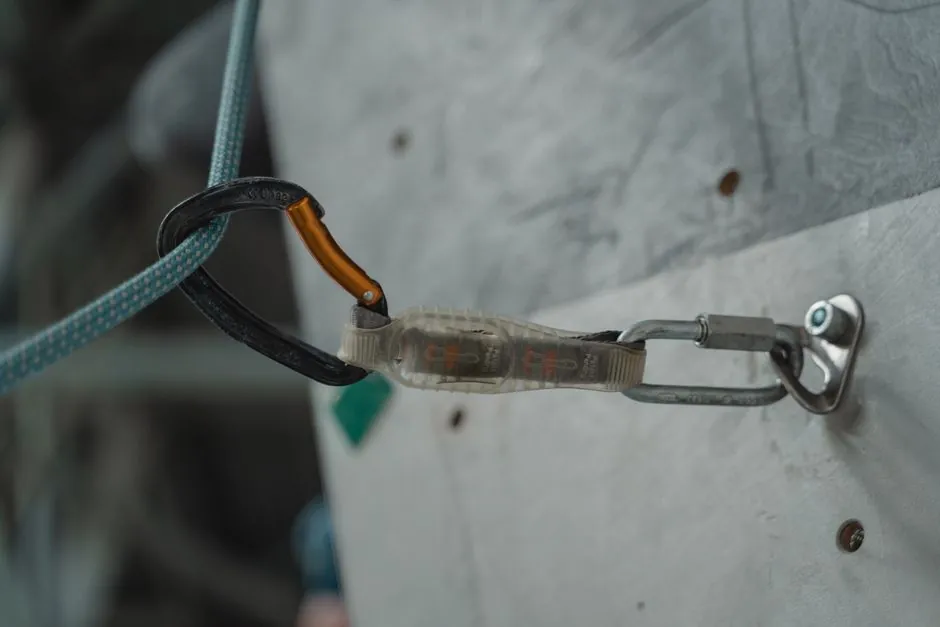
Cast-in anchor plates combined with climbing cone hardware routinely carry working tensile loads well above 100 kN per anchor point and are designed for repeated casting cycles on new concrete structures, per manufacturer data for premium cast-steel climbing-cone anchor plates [S1].
Post-installed climbing cone anchors, by contrast, are drilled and bonded into cured concrete, making them the default on retrofit, repair, and missed-insert scopes where no cast-in plate was placed during the original pour, as defined for cast-in-place versus post-installed anchor practice [S4]. The following sections break the choice down by load class, cycle count, geometry, and code path so a specifier can pick in under a minute.
What each system actually is, and where it sits in the climbing formwork bill of materials
A cast-in anchor plate is a precision-cast or forged steel plate embedded in the wall during the concrete pour, with a socket, anchor point interface, or welded stud that engages the climbing formwork shoe after cure; the climbing cone and tensile bolt thread into the embedded plate, and the system lifts itself off the cone as the formwork jumps to the next pour [S1][S6]. The anchor point interface itself is treated as a precision casting or forging with multiple indexing surfaces to guarantee repeatable bolt-hole alignment across every pour cycle [S6].
A post-installed climbing cone anchor, in the climbing formwork context, is a drilled-and-bonded sleeve (typically set with a chemical anchor or a heavy-duty expansion anchor) installed after the wall has cured, then mated to the same climbing cone and tensile-bolt assembly used on a cast-in system [S4]. For comparisons of bonded versus mechanical post-install behaviour in masonry, see the breakdown on expansion anchors in hollow block and composite masonry, which carries the same load-path logic into a different base material.
Load capacity, material, and reusable cycle count
Cast-in climbing-cone anchor plates from OEM lines such as AMCO are offered in premium cast steel or ductile iron, machined to fit standard climbing cones, tie rods, wall-tie pattis, and water stoppers, with a reusable design rated for multiple casting cycles on the same hardware [S1]. The typical accessory chain on the load path is climbing cone, tensile bolt, high-strength tie rod, anchor nut, PVC anchor-cone sleeve, water stopper, wall-tie patti, and waler plate [S1].
Post-installed systems inherit the same climbing-cone and tie-rod hardware above the concrete line, so the working tensile capacity per point is normally limited by the bonded anchor or expansion anchor in the cured concrete rather than the formwork accessory itself. The standard caution is that cast-in-place anchors are installed in wet concrete before the concrete sets and develop full capacity by mechanical bearing and bond against undisturbed concrete, while post-installed anchors depend on the bond zone or expansion mechanism in a drilled hole [S4].
Reusability and lifetime therefore differ sharply: cast-in anchor plates are engineered for repeated casting cycles, reducing replacement cost on multi-floor pours, while post-installed bonded sleeves and expansion shells are typically single-use consumables that must be re-set if the anchor is ever decommissioned [S1][S4]. For standardisation across pours, see the broader reference entry on steel plate selection, which governs the base material specification most cast-in anchor plates inherit.
Decision criteria: cast-in plate vs post-installed cone anchor, side by side
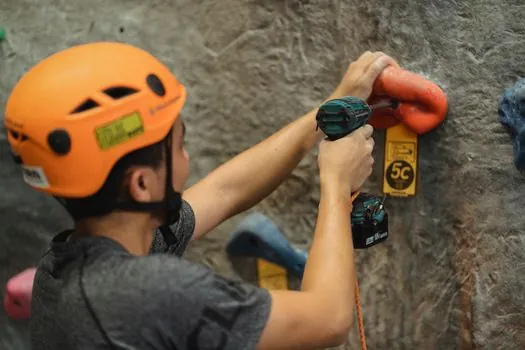
Five criteria drive nearly every specifier's call, and the two options line up against them as follows. (1) Pour-stage access: cast-in wins on new work because the plate is set during the pour and the formwork shoe engages the cured embedment; post-install wins on existing structures where the pour is already complete [S1][S4]. (2) Working tensile load: cast-in plates are routinely specified for high tensile loads during concrete pouring and climbing operations, while post-installed systems are constrained by the chemical anchor or expansion shell rating in cured concrete [S1]. (3) Reusable cycles: cast-in plates are designed for repeated use across multiple casting cycles, cutting replacement cost on long vertical pours, while post-installed bonded and expansion anchors are normally single-use [S1][S4]. (4) Tolerance and alignment: cast-in anchor point interfaces use multiple indexing surfaces for repeatable bolt-hole alignment across all anchor points, while post-installed holes depend on drill accuracy and cleaning [S6]. (5) Repair and missed-insert recovery: post-installed cone anchors are the only viable option when a cast-in plate was omitted or has been cut out, since there is no embedded plate to engage [S4].
The compatibility note that matters in practice is that both systems share the same climbing-cone, tensile-bolt, and tie-rod hardware above the concrete line, so the specifier's decision is really about the embedment, not the formwork accessory stack [S1]. The bill of materials for climbing formwork is itemised in the climbing formwork bill of materials, which lists the anchor point interface, climbing cone, tensile bolt, tie rod, and waler plate as the standard chain [S6].
Application fit: which system belongs on which job
High-rise cores, bridge pylons, dam walls, metro rail infrastructure, tunnel formwork systems, and industrial concrete wall pours are the canonical cast-in plate scope, because the pour schedule and vertical repetition reward an embedded plate that lifts off the same hardware on every cycle [S1]. Bridges, flyovers, and retaining walls show up in both lists, but the cast-in variant dominates new construction and the post-installed variant dominates widening, retrofit, and repair scopes [S1].
Post-installed climbing cone anchors are the right call on four situations: a missed cast-in insert that must be recovered, a structural modification after the original pour, a strengthening or repair scope on a wall already in service, and a phased handover where parts of the structure are handed over before adjacent pours begin. The general cast-in versus post-install framing, that cast-in anchors are placed in wet concrete before it sets and post-installed anchors are placed in hardened concrete, maps directly onto this choice [S4].
Failure modes, limits, and inspection points
Cast-in anchor plate failure modes concentrate on plate-to-concrete bond, weld quality at any welded stud, corrosion of the embedded steel, and misalignment of the indexing surfaces that throws bolt-hole repeatability off across cycles [S1][S6]. A climb shoe that does not seat cleanly against the indexing surfaces is the usual first sign that the cast-in plate has moved, been over-torqued, or been damaged by a previous lift.
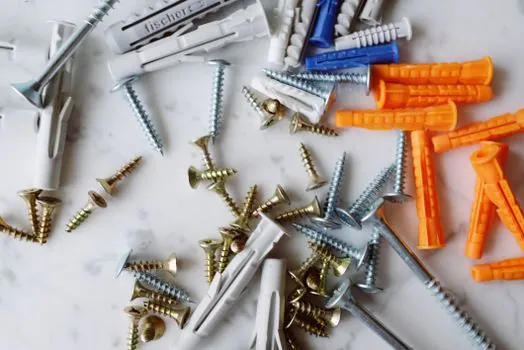
Post-installed climbing cone anchor failure modes concentrate on drilled-hole cleaning, bond strength of the chemical anchor, expansion-shell slip in low-strength concrete, edge-distance, and anchor spacing [S4]. The standard cast-in-place versus post-installed practice is explicit that anchor capacity is governed by the embedment, so a clean hole, the right drill diameter, and a matched adhesive or expansion shell are non-negotiable; a useful cross-read on bonded versus mechanical failure behaviour is the expansion anchors in hollow block and composite masonry case study, which traces the same failure pattern into masonry.
Standards, sourcing, and what to put on the drawing
On the drawing, a cast-in scope should call out the anchor plate material (cast steel or ductile iron), the climbing cone and tensile bolt grade, the embedment depth, the anchor point interface geometry for indexing, and the reusable-cycle expectation [S1][S6]. A post-installed scope should call out the base material, drill diameter and depth, hole-cleaning method, adhesive or expansion-shell part number, edge-distance, anchor spacing, and the proof-load or installation torque on each anchor [S4].
Sourcing matters because cast-in anchor plates are commonly supplied as OEM or custom parts to project drawings, with export channels in India, Asia, the Middle East, Africa, and Europe, and with manufacturing options in cast steel or ductile iron [S1]. Post-installed climbing cone anchors are normally sourced as a kit (adhesive or expansion shell, plus the standard climbing cone, tensile bolt, and tie rod) from the same formwork accessory suppliers, so the supply chain for the two options is largely the same above the concrete line and diverges only at the embedment [S1].
Trackable signals for the next planning cycle: anchor plate material grade and reusable-cycle rating on the project drawing, proof-load test certificates for any post-installed bonded anchor, and a clear callout of which anchor points are cast-in and which are post-installed so the climbing-formwork crew is never left guessing on the deck.
The underlying component specifications are covered under cast iron.