Explosion-proof camera selection in chemical plants is governed by three independent axes: NEC/IEC gas group, Class/Division or Zone classification, and housing-material compatibility, with a wrong pick on any one axis voiding the certification [S1].
Chemical sites run a wider range of flammable substances than oil and gas, so a camera certified only for Group D (propane, IIA) is non-compliant in ethylene service, and a Group C camera is not acceptable around hydrogenation reactors [S1]. For definitions used in this article, see the surveillance camera encyclopedia entry.
Gas Groups Encountered in Chemical Plants
Chemical processes routinely present gas groups more demanding than the Group D default of upstream oil and gas, and the certification on the camera body label must match the worst-case substance in the area [S1].
The reference table in published guidance maps ethylene and ethyl ether to NEC Group C / IEC IIB, propylene and propane to Group D / IIA, and hydrogen (from hydrogenation or chlor-alkali by-product) plus acetylene to Group B / IIC, the most demanding tier where housing options are very limited [S1]. For a broader safety-systems primer, see industrial camera fundamentals and the surveillance security overview. Any cross-reference for a related industrial spec discipline, for example magnetic level gauge selection for mining service, uses the same logic of matching the worst-case media to the device rating.
Zone and Division Mapping Per Process Area
Area classification is decided by the facility safety engineer from the chemicals handled and process conditions, and the camera certificate must name the same zone or division plus the same gas group as the area drawing [S1][S3].
Practical mappings documented for 2026 specification work: ethylene crackers and solvent storage typically fall under Class I Division 1 Group C with an ATEX Zone 1 IIB equivalent; hydrogenation reactor areas require Class I Division 1 Group B / Zone 1 IIC and offer very limited equipment options; propylene and LPG storage and handling can be specified to Class I Division 1 Group D / Zone 1 IIA, often satisfied by Group C-and-D dual-marked housings; and chlorine or caustic handling is generally non-classified for explosion protection because chlorine is non-flammable, but still demands 316L stainless with IP66 because of corrosion [S1].
Explosion-Proof vs Corrosion-Resistant vs General Industrial
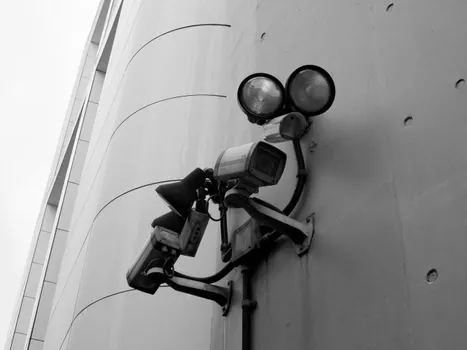
The right pick is a function of whether the area is classified at all, and if classified, what group, with three families of camera covering the chemical plant [S1][S2][S3].
Explosion-proof housings certified to ATEX, IECEx, and UL standards, and marked for the applicable Class I Division 1 or Zone 1 group, are mandatory inside reactors, solvent storage, and hydrogenation bays [S1][S3]. For adjacent or peripheral areas, IP66-rated industrial cameras in dust-tight and high-pressure water-jet-resistant enclosures with 316L stainless or equivalent corrosion-resistant housings cover corrosive non-classified zones such as chlorine rooms, coastal tank farms, and washdown areas [S1][S2]. General manufacturing cameras with vibration tolerance and extended temperature ranges are acceptable on the perimeter, gatehouse, and non-classified utility rooms, where explosion protection adds cost without value [S2].
Materials, IP Rating, and Temperature Range
For chemical plants, the housing material is a primary spec, not an accessory, because standard aluminium and carbon-steel camera bodies fail quickly in chloride, acid vapour, and solvent atmospheres [S1][S2].
Published 2026 guidance specifies 316L stainless steel for corrosive and coastal service, with powder-coated aluminium as the lower-cost option in less aggressive zones, while IP66 is the baseline ingress protection against dust and high-pressure water jets and IP67 is preferred in frequently washed or submerged-edge locations [S1][S2]. Sustained machinery vibration and ambient swings across outdoor chemical sites are the reason commercial-grade cameras fail, so industrial units with extended operating-temperature ratings (commonly −40 °C to +60 °C or wider) and vibration-isolated internals are the realistic choice for 24/7 process-area coverage [S2].
Functional Features: Low-Light, Thermal, PTZ, and Analytics
Imaging performance and analytics matter as much as the housing once the certification and material axes are settled, and chemical sites are mostly low-light or no-light outdoors [S2][S3].
24/7 process monitoring drives low-light sensitivity, IR illumination, and thermal imaging as standard requirements rather than options, with thermal additionally used for flare sighting and hot-equipment detection in flammable areas [S2][S4]. PTZ cameras give wide-area coverage across large tank farms while fixed cameras cover defined access points, transfer stations, and equipment, and the same network carries AI analytics for PPE compliance, perimeter intrusion, smoke and flame detection, and license plate recognition at gatehouses [S3][S4].
Where Cameras Are Commonly Missed in Initial Designs
Across published site-survey guidance, three gaps recur in first-pass surveillance designs for chemical facilities, and each one carries a documented safety or compliance consequence [S1][S3].
First, Group D-only certification is routinely specified for whole-plant tenders even though ethylene and hydrogen areas demand Group C and Group B equipment, leaving the most safety-critical zones under-protected [S1]. Second, combustible-dust zones (Class II / Zone 21) are often ignored in plants handling solid intermediates, catalyst powders, or polymer flakes, and dust-ignition-proof certification is required separately from the gas certification [S3]. Third, flare, vent, and chemical-transfer areas are frequently left unmonitored even though they sit in temporary classified zones during loading and upset events, where a fixed or PTZ camera with the correct group marking closes the loop [S3].
Limits, Failure Modes, and Selection Cautions
Explosion-proof certification only holds if the housing is intact, the cable entries use the correct Ex-rated glands, and the unit is installed inside its certified ambient-temperature range, so field workmanship matters as much as the spec sheet [S1][S3].
For hydrogenation and acetylene service (Group B / IIC) the equipment pool is small, lead times run longer than Group D, and not every vendor offers dual ATEX plus IECEx plus UL marks on the same body [S1]. Corrosion-rated 316L cameras in non-classified chlorine rooms still need periodic inspection because pitting and seal failure will defeat the IP rating over a 3–5 year service life in aggressive atmospheres, and PTZ units have higher failure rates than fixed housings because of seal wear on rotating shafts [S1][S2]. Always reconcile the area classification drawing, the gas group, the zone or division, and the material compatibility before release of the purchase order.
Trackable signals for the next planning cycle: confirm the facility area-classification drawings name both gas group and zone for every camera location, verify dual ATEX/IECEx/UL marking for ethylene and hydrogen service where applicable, and require 316L stainless plus IP66/IP67 documentation for any camera in a corrosive or washdown zone.