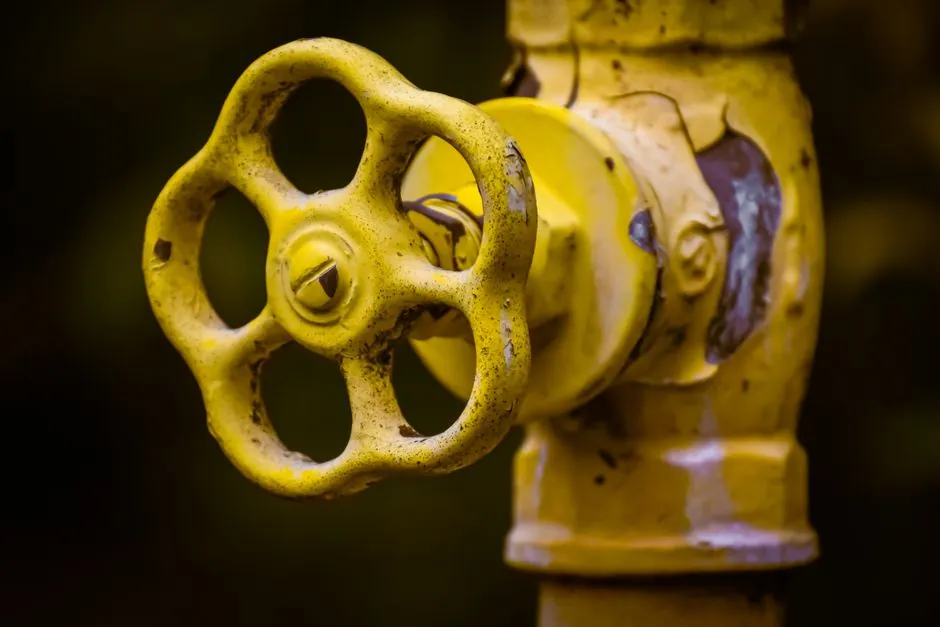
A chemical-service solenoid valve is specified by four engineering variables in this order: wetted body material, seal elastomer, electrical area classification (NEMA/IP and hazardous-location rating), and operating principle matched to the line pressure differential; getting the first variable wrong makes the other three irrelevant, because the media will eat the body before the coil ever cycles [S1][S2].
In practice this means a 316 stainless steel (CF8M) body with roughly 2-3% molybdenum content, paired with FKM (Viton) or PTFE seals, sits at the center of most chemical-plant standardizations; bronze, brass, and aluminum are ruled out anywhere the stream carries acids, chlorides, ammonium compounds, or strong oxidizers [S1][S2][S5].
Body Material Selection by Media Chemistry
316 stainless steel handles many acids, alkalis, and solvents and is the chemical plant's default because its 2-3% Mo content improves pitting and crevice corrosion resistance in chloride environments compared to 304 SS [S1][S2]. Cast bronze has a long service history in neutral water, air, steam, and light oils, but it dezincifies in chloride solutions, is attacked aggressively by ammonia and ammonium compounds, and corrodes rapidly in oxidizing acids such as nitric acid; it should be specified only when the media is neutral, non-chlorinated, and non-reactive with copper alloys [S1]. For ultra-corrosive service, PTFE-lined bodies, PFA, and PVDF are the common polymer choices, while Hastelloy is specified for oxidizing agents and high-temperature acid streams where even 316 SS will fail [S2]. The body material decision is made against a documented media sheet: chemical name, concentration, pH, temperature, viscosity, solids content, and exposure time; without that sheet, the compatibility table the engineer pulls up is being misused [S3][S4].
Seal and Elastomer Compatibility
Seal failure is the most common starting point for valve failure in chemical plants, ahead of clogging and coil overheating, so the elastomer must be matched to the same media sheet used for the body [S4]. EPDM handles many water-based chemicals but is not a general solvent seat; FKM (Viton) is the workhorse for oils, fuels, and many mild solvents; PTFE is the broadest-spectrum option and the right seat for harsh chemicals and elevated temperatures, and it is the fallback whenever a media-elastomer pair is uncertain [S2]. Solvent streams are a frequent trap: an elastomer that "looks fine" on a generic compatibility chart will swell under a real solvent blend, the leakage rate climbs, and the armature starts sticking long before any visible body corrosion appears [S3][S4]. A 40-material, 600-chemical compatibility matrix (as published in the ElectricSolenoidValves.com database) is the minimum tool set engineers should run each wetted part through, not just the body [S3].
Operating Principle and Pressure Differential
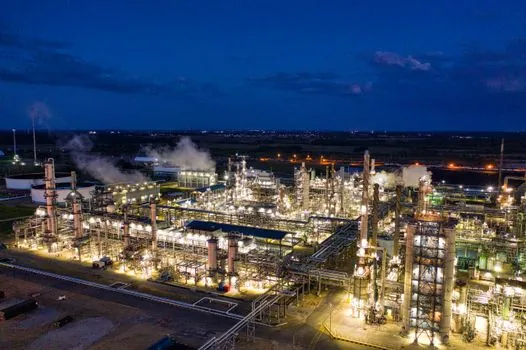
Body and seal selection decide whether the valve survives the chemistry; operating principle decides whether it opens at all on the line pressure available. Direct-acting valves operate from zero differential pressure and are the right choice for gravity-fed tanks, low-pressure dosing loops, and any circuit where the downstream pressure can match the upstream pressure [S1][S2]. Pilot-operated valves need a minimum pressure differential (typically a few bar, exact value per manufacturer) to develop the pilot flow that lifts the diaphragm, and they deliver higher Kv/Cv at a given orifice size; they are the standard pick for transfer lines and reactor feed circuits where line pressure is reliable [S2][S7]. For aggressive media, a zero-differential or piloted-isolated diaphragm design keeps the process fluid out of the solenoid's internal moving parts, which both extends cycle life and simplifies diaphragm replacement during turnarounds [S2]. Response time, Kv/Cv, pressure rating, and temperature range must be checked together against the duty cycle, not picked one at a time off catalog pages [S4].
Hazardous-Area Enclosures and Electrical Class
Chemical plants run classified areas, and the solenoid coil enclosure has to match the zone or division, not just be "general-purpose rated." For U.S. installations, NFPA 70 (the National Electrical Code) defines the class/division/zone system; OSHA 1910.307 governs hazardous-location electrical equipment, while ISO 23570-1 covers pneumatic fluid power components and their electrical interfaces [S4]. In practice, the enclosure spec is written as a NEMA rating for outdoor and corrosive atmospheres (NEMA 4, 4X, 7, 9 are the common classes) plus an explosion-proof or flameproof certification where the area classification demands it; flameproof coils and IP-rated or sealed enclosures are the engineering answer, not factory-default plastic heads [S1][S2]. Coil insulation class is also part of this decision: a continuous-duty Class F or Class H coil at the actual ambient temperature, not the catalog "max ambient," is the realistic rating once a coil is mounted next to a reactor jacket [S2][S9].
Material-by-Media Comparison for Specification
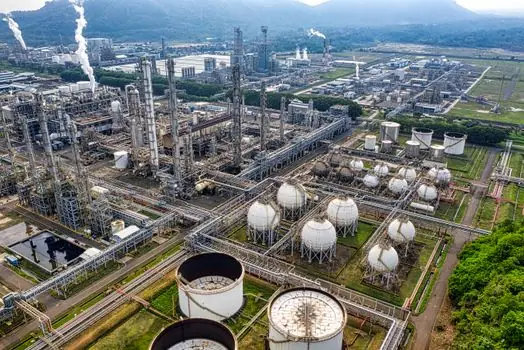
Body material versus media is the single decision a spec engineer has to get right first, and a side-by-side comparison lines out the trade space cleanly. 316 SS is the default for acids, alkalis, and many solvents in chloride-bearing service [S1][S2]. PTFE-lined carbon steel or stainless extends the same envelope into stronger oxidizers and higher-purity streams, at the cost of a vacuum/pressure-temperature derating the engineer has to verify with the manufacturer [S2]. PVDF (polyvinylidene fluoride) is the lightweight polymer choice for many chemicals but is not suitable for strong ketones, amines, or hot concentrated caustics, so the media sheet still rules [S2]. Hastelloy is specified when 316 SS, PTFE, and PVDF have all been ruled out, which is a narrow set of high-temperature oxidizing and reducing acid streams; the cost step is real, and the engineer should be able to defend the choice with a documented exclusion of the cheaper options [S2]. For seal elastomers, the parallel ladder runs EPDM (water-based) to FKM (oils, fuels, mild solvents) to PTFE (harsh and high-temperature), with PTFE as the conservative choice when the media list is long or the blend varies batch to batch [S2]. The trade space on lead time, cost, and chemical envelope makes a clear preference order: 316 SS + FKM for most service, 316 SS + PTFE for solvents and high temperature, PTFE-lined body for ultra-corrosive, Hastelloy for the residual high-temperature oxidizer streams, and bronze or brass only for verified-neutral non-chlorinated non-ammoniacal media [S1][S2][S4].
Failure Modes, Maintenance, and Procurement Realities
Most chemical-plant solenoid failures start as seal swelling, gradual corrosion, or armature sticking, not catastrophic rupture, and the practical maintenance plan is periodic flushing plus a defined diaphragm and seal replacement interval tied to cycle count and media severity [S2][S4]. Solenoid valves fit inside the broader chemical-plant valve mix that includes ball, butterfly, check, control, diaphragm, float, gate, and globe valves, and they are picked for fast on/off or dosing duty rather than for modulating control, so over-specifying them into a control-valve role is a procurement error with predictable reliability consequences [S6]. Procurement windows are tight: Q2 and Q3 mid-year audits are common, and the engineering answer is to standardize on a 316 SS body with FKM or PTFE seals and a small number of NEMA-rated coil variants, then stock spares against that bill of materials rather than buying one-offs per project [S1]. Where the media is too aggressive for 316 SS and too routine for Hastelloy, PTFE-lined solenoid valves from Burkert and similar process-instrumentation lines carry manufacturer chemical-resistance charts that should be the primary reference, ahead of generic compatibility tables [S5]. For a deeper dive into how PVDF and other fluoropolymers compare on aggressive media, the PVDF material reference on the encyclopedia side is a useful cross-check, and the chemical reagent compatibility page maps the reagent side of the same problem. Engineers who also want a broader reliability framing can read V-Belt Selection for Mining Operations: Profiles, Service Factors, and Field Traps for a parallel spec-driven selection logic, or the related Locking Assembly Selection for Pulp and Paper: Shaft-Hub Fits That Survive Steam, Stock to see the same "media first, hardware second" pattern applied to a different component class.
The next trackable signal for spec engineers is the late-2026 update cycle on chemical-resistance charts from the major process-valve OEMs, which typically lands ahead of the Q4 budget window; a second node is the fall 2026 revision activity around pneumatic fluid power component standards (ISO 23570-1) and any harmonization with NFPA 70 hazardous-location wording that affects coil-enclosure certification language for new chemical-plant builds.
Component reference pages worth checking: solenoid valve.