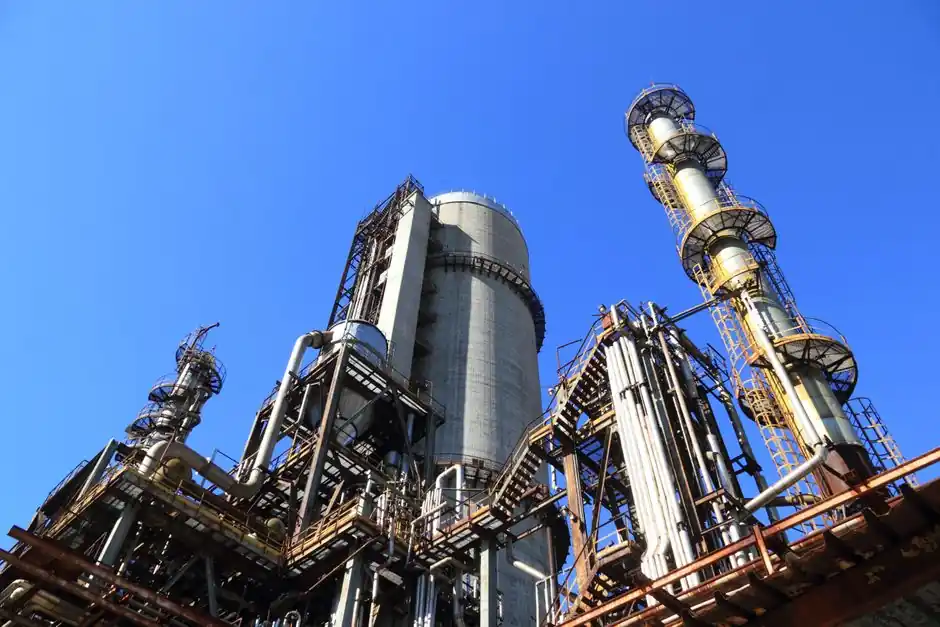
Self-cleaning filters for chemical processing fall into five mechanical families (backwash, scraper, suction-scanner, disc, and magnetic), each suited to a different viscosity and particle-load window, with industrial screen ratings spanning 3 mm down to 0.5 micron [S3][S4].
Process plants in 2026 specify self-cleaning filtration when the line cannot stop for cartridge change-out, when solids load is moderate to heavy, or when differential-pressure-triggered cleaning can replace scheduled tear-downs. Selection is driven by fluid viscosity, particle stickiness, and whether the unit must hold full flow through the cleaning cycle [S1][S3].
Five Mechanical Types and Their Process Fit
Backwash self-cleaning filters reverse a small slipstream of clean liquid through the screen to flush retained solids out the drain, and they remain the most common design in large industrial water treatment and cooling-tower loops [S3]. Scraper-type units use a mechanically driven blade or brush across the screen surface with no reverse flow, which makes them the better fit for viscous liquids, sticky particles, paint, ink, and chemical-processing lines where a backwash would be insufficient to dislodge trapped foulant [S3]. Suction-scanner filters travel localized vacuum nozzles across the screen face while main flow continues; many designs hold full main flow through the cleaning cycle, which is why they are specified for irrigation and chemical-plant service where uninterrupted flow is the priority [S3]. Disc filters stack grooved discs on a cleaning spine, and magnetic self-cleaning units target ferrous contamination in lubricant and fuel service. For plants handling aggressive chemistry, an self-cleaning filter spec needs to match the cleaning mechanism to fluid rheology rather than defaulting to a backwash unit.
Selection Criteria: Viscosity, Solids Load, and Micron Rating
Micron rating is the first cut. Industrial self-cleaning screen ratings run from 3 mm coarse down to 0.5 micron on multi-layer fibre designs, with most chemical-process applications using a 50–500 micron window as primary or pre-filtration [S4]. Viscosity is the second cut: backwash units lose efficiency above roughly 100–200 cP because reverse flow cannot mobilize captured solids, so viscous polymer, resin, or slurry service should be specified as scraper or suction-scanner instead [S3]. Solids loading is the third cut: Dutch Flow Control publishes a high-load variant (HL-SCF) that uses continuous flushing ahead of the self-cleaning element rather than intermittent pressure-differential backflush, and that variant is the correct choice when contamination concentration would otherwise blind a standard SCF in minutes [S4]. Differential-pressure triggering is preferred over timer triggering for variable-load chemical service, and most industrial controllers offer both, with dP as the default [S1][S3].
Comparison: Backwash vs Scraper vs Suction-Scanner
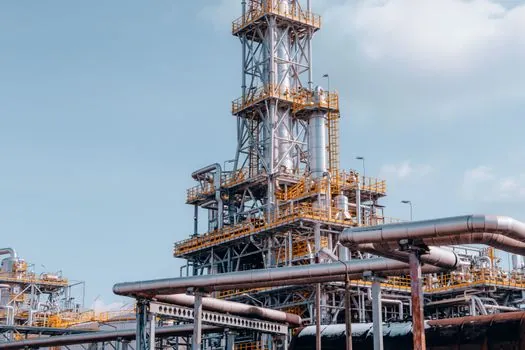
On a typical chemical-process bid, the three leading types line up as follows. Backwash filters score on cost and parts availability, score medium on viscous-fluid handling, and score low on handling sticky or fibrous solids where the reversed slipstream cannot break the mat. Scraper filters score medium on cost, score high on viscous and sticky service, and require a small flush volume of the process fluid itself. Suction-scanner filters score high on continuous full-flow cleaning, score high on fine ratings (commonly 25–200 micron), and command a price premium. A tank cleaning machine on the upstream vessel can lower solids load enough that a backwash unit becomes viable in service where it would otherwise blind, and that combination is common in resin and adhesive plants. [S3]
Materials, Seals, and Chemical Compatibility
Housings in chemical service default to 316L stainless steel for organic-acid and solvent duty, with duplex 2205 specified where chloride stress-corrosion cracking is a concern. Elastomer selection is the line item most often under-specified: EPDM suits aqueous acid and base service, Viton (FKM) is required for aromatic and chlorinated solvents, and PTFE-encapsulated seals are specified for hot caustic above roughly 80 °C. Filter screens in woven SS 316L dominate, with sintered fibre or multi-layer fibre elements reserved for sub-10 micron ratings [S4]. Differential-pressure instrumentation should be specified to match the cleaning-trigger philosophy: a 0.2–1.6 bar dP transmitter with 4-20 mA + HART output is the typical industrial baseline, and that signal also feeds the plant DCS for filter-health trending. Plants already running HART multivariable transmitters can fold filter dP into the same asset-management database without adding a new protocol stack.
Who Should and Should Not Specify a Self-Cleaning Filter
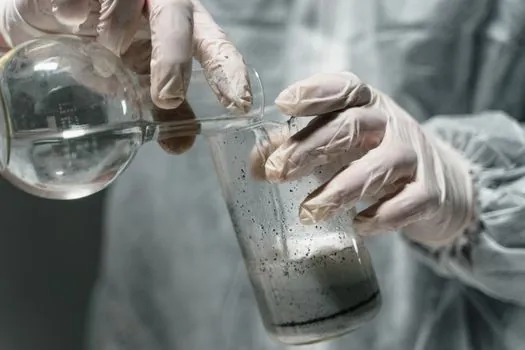
Self-cleaning filtration is the right answer for any continuous-flow chemical process line where cartridge change-out would force a shutdown, where solids load is moderate to high, and where the process fluid can tolerate a small slipstream bleed during the cleaning cycle. It is the wrong answer for ultra-fine sub-micron polishing (use a membrane or cartridge polishing stage downstream instead), for batch service where the line stops anyway, and for fluids so viscous that no mechanical cleaning mechanism can mobilize the captured mat [S3]. Within a typical plant, the boundary case is the chemical anchor adhesive or coating line, where viscosity and stickiness push the spec firmly into scraper or suction-scanner territory and away from the cheaper backwash default. For pre-filtration ahead of a final membrane, pairing a coarse self-cleaning screen (50–200 micron) with a downstream polishing stage is a common 2026 architecture and is documented in OEM selection guides [S1][S3].
Standards, Controls, and Maintenance Windows
Process-side conformance centres on ASME B31.3 for piping, ASME BPVC Section VIII for pressure housings, and ATEX 2014/34/EU for category-2 zone 1 explosion atmospheres on solvent service. The cleaning-control package is typically a PLC or dedicated filter controller with IP65 enclosure, dP-triggered cycle, and a configurable number of cleaning passes per trigger event. Dutch Flow Control's self-cleaning range is documented to operate 24/7/365 on a separate power supply such as a 1 kW generator or solar array, which matters for remote or emergency-duty chemical skids [S4]. For plants running lean maintenance crews, the chemical material and chemical reagent streams should be evaluated separately: reagent-grade service usually justifies a finer rating and a duplexed pair, while raw-material service often runs a single simplex unit with periodic manual inspection. Specifying a duplexed pair with isolation valves lets one side stay in service while the other is opened for inspection, and that architecture is the most common way to extend the online maintenance interval from weeks to months.
Trackable signals into late 2026: the broader 2026 adoption of self-cleaning pre-filtration ahead of RO and ahead of fine chemical polishing, and the migration of legacy timer-triggered units to differential-pressure-triggered controllers with HART output into the plant DCS [S1][S3]. Plant engineers cross-shopping the architecture will find a working spec framework in this self-cleaning filter selection guide and a comparable strainer-side comparison in this basket strainer sourcing map.