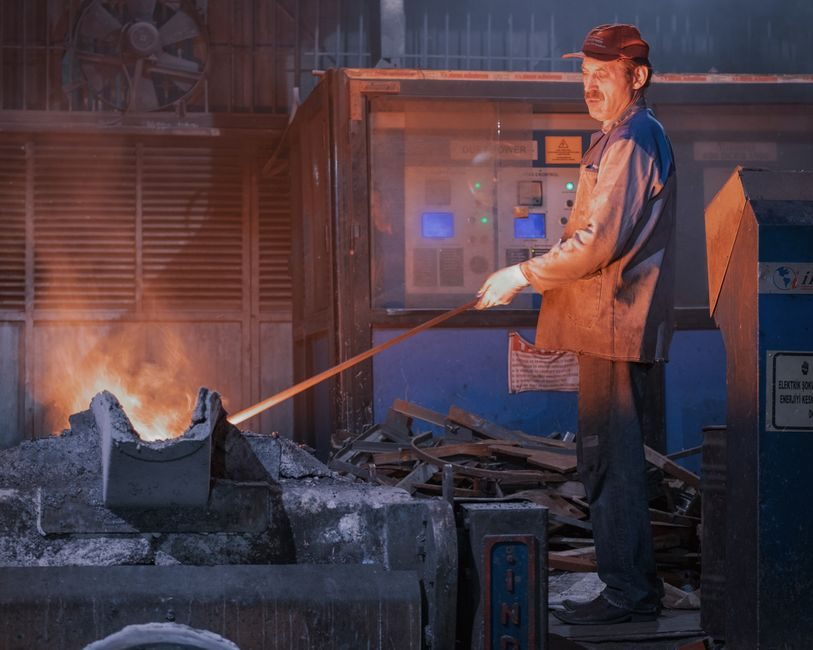
A cold box core shooter is a sand-core-making machine that uses compressed air to shoot resin-bonded sand into a heated or gassed core box, where the binder hardens to produce a sand core ready for iron, steel, or non-ferrous casting [S8].
For 2026 procurement, the three decision gates are binder system (CO2 vs amine-gas), machine frame layout (single-station, twin-station, roll-over), and core-weight capacity, which together determine sand tank volume, shooting pressure, and gas-generator spec [S1][S4][S8].
How a Cold Box Core Shooter Works and Where It Fits in the Foundry
The core shooter discharges pre-mixed resin sand from a sealed sand tank into a core box using 0.5-0.7 MPa compressed air; for CO2-cured phenolic/amine systems, the box is then gassed with CO2 to harden the core, while amine-cured phenolic/gas systems pass amine vapour through the sand mass via a dedicated generator [S1][S4][S8]. Core weight capacity on rotary cold box units commonly lands in the 5-15 kg per cycle range, with cycle times between 25 and 45 seconds for a single-station bench unit and higher throughput on rotary frames [S1][S4].
Foundries specify cold box cores where dimensional accuracy and surface finish beat green-sand cores, typical for engine block water jackets, hydraulic valve bodies, and pipe fittings, while shell shell-core-shooter configuration machines are reserved for thinner, smaller cores made with a thermosetting resin-coated sand pre-heated against a metal pattern. The cold box route, by contrast, can handle larger, more complex geometries with finer draft tolerance, at the cost of binder consumables and amine/CO2 gas handling infrastructure [S1][S4][S8].
Machine Frame Layouts: Single-Station, Twin-Station and Roll-Over Rotary
Single-station units cycle one core at a time, with manual or robotic loading/unloading; the structure is the lowest-cost cold box entry, with export FOB prices starting near US$2,500 per piece for very small units on bulk-sourced listings, while engineered industrial units with PLC control sit far higher [S3][S4]. Twin-station machines run a second core box while the first cures, lifting effective throughput roughly 1.5-2x over single-station on equal cycle [S1][S4].
Roll-over (rotary) cold box machines carry a multi-position indexing table with a fixed half and a moving half, allowing cores to be made, gassed, and ejected around the table in continuous rotation; these are the workhorses for foundries running 24-hour production on hydraulic and pump castings, where the cold box core shooter on a rotary table configuration, not the shell core shooter geometry, is the normal choice for cores above 10 kg [S1][S4]. Universal cold box core shooters combine single-station and rotary operation in one frame, used for short-run flexibility in jobbing foundries [S1].
Binder Chemistry and Gas-Generator Specification
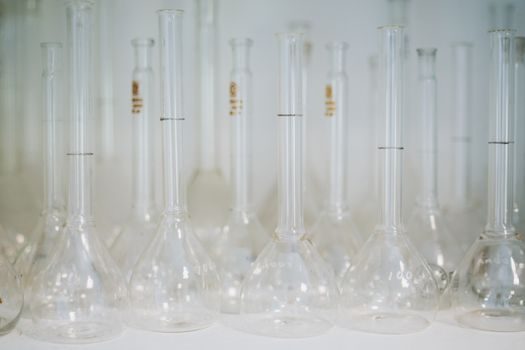
Two binder systems dominate 2026 cold box procurement: CO2-cured phenolic/amine (no amine generator required, simpler gas train, lower binder cost) and amine-gas-cured phenolic resin (faster cure, lower gas consumption per kg of core, requires an amine generator with heated storage and a nitrogen carrier) [S1][S4]. The amine route, especially with aromatic amine gas, can be specified for cores needing sub-30-second cure at room temperature, but amine handling is hazardous and demands a closed-loop gas cabinet plus a scrubber on the exhaust side [S1][S4][S8].
Gas-generator spec is one of the most under-estimated cost gates: an amine generator sized for a 10 kg core with 30 s cure will typically draw 3-5 kW of heating and 1-2 Nm3/h of carrier nitrogen, both of which must appear on the utility-spec sheet at order time, not at commissioning [S1][S4]. For CO2 systems, the gas train is a CO2 ring with flow control per box half, simpler but with higher gas consumption per kg of core, and storage depends on local CO2 supply logistics (bulk liquid vs cylinders) [S1][S4].
Selection Criteria: Throughput, Core Weight, Pattern Complexity and Utility Headroom
Four criteria separate the cold box models on the 2026 market: rated core weight per cycle (1-3 kg light, 5-15 kg mid, 15-40 kg heavy), throughput in cores per hour (40-80 for single-station light, 80-150 for twin-station mid, 120-240 for rotary heavy), pattern complexity (draft angle, parting line, undercut handling), and utility envelope (compressed air m3/min, gas m3/h, electrical kVA) [S1][S4]. A 1 kg light single-station typically needs 0.3-0.5 m3/min of free air at 0.6 MPa and 3-4 kW total; a 25 kg rotary unit needs 1.5-2.5 m3/min of free air, an amine generator at 5-8 kW, and a sand tank above 200 L working volume [S1][S3][S4].
Foundries with intermittent production and frequent pattern changeovers benefit from single-station or universal machines, where changeover is one operator and 10-30 minutes. High-volume, narrow product-mix foundries justify rotary machines, where the higher capital cost is amortised over continuous 24-hour cycle rates [S1][S4]. For comparison, hot-box hot-box core machine tools compete when cores are small and run counts are high, but they need a heated pattern at 200-260 deg C and resin-coated sand, pushing them out of the cold box envelope for cores above ~5 kg or where ambient cure is required [S4][S8].
Controls, Safety and Servicing Gates
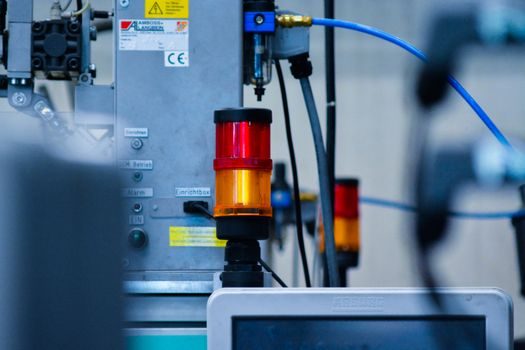
PLC-based control with HMI, recipe storage, and safety interlocks on the sand-tank lid and core-box clamps is now standard on engineered Indian and Chinese units [S1][S4]. VFD-driven sand-tank vibration and shot-valve actuation is common on higher-end models and is one of the spec-driven cost levers that justify a higher unit price over a baseline pneumatic-only machine; the same VFD-vs-fixed-frequency tradeoff is discussed for the VFD 2026 price band on motor-control spec pages.
Servicing access is a gate that tends to be ignored in the early quote: rotary machines need 1.5-2 m radial clearance for the indexing table to be removed for pattern change, and twin-station units need a maintenance lane of 0.8-1.2 m on the moving side [S1][S4]. Spare-parts packages (shot valves, diaphragm pumps, gaskets, amine-resistant seals) are usually quoted as 8-12% of machine price on a one-year basis, and amine-resistant seals are a separate line item from standard pneumatic seals, often 2-3x the unit cost [S1][S4].
Who Should and Should Not Buy a Cold Box Core Shooter
Buy a cold box core shooter if you are running iron, steel, or non-ferrous castings with cores above 3 kg, if you need room-temperature cure (no heated pattern), if dimensional accuracy drives your machining allowance, or if you already run a binder-handling infrastructure for resin sand [S1][S4][S8]. Do not buy if your cores are under 2 kg and run in high volume (a hot-box machine is faster and cheaper per cycle), if your mix is dominated by shell-style thin-section cores (a shell core shooter configuration is the right tool), or if you cannot stand up the amine/CO2 gas handling and exhaust scrubbing required by the binder system [S1][S4][S8].
Buyers evaluating a 2026 procurement should also consider the industrial shock absorber buying guide for matching cycle-energy damping on the indexing table, and a solenoid valve buying guide for the gas-train valve spec, both of which are commonly undersized on cold box cells shipped as turnkey packages [S1][S4].
Price Bands, MOQ and Lead Time in 2026
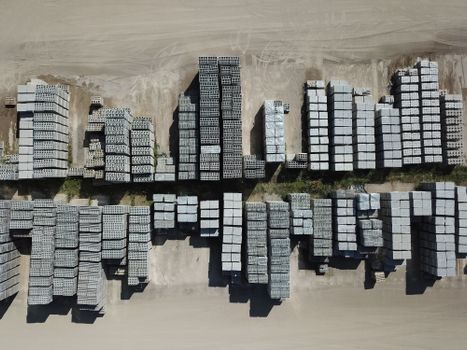
Indicative 2026 cold box core shooter price bands from manufacturer and trading listings: small bench-top single-station units from ~US$2,500 FOB per piece with a 1-piece MOQ on bulk-trading platforms, mid-range single-station and twin-station engineered units with PLC and amine generator in the US$15,000-45,000 band, and full rotary cold box systems above US$50,000 with engineering integration [S3]. Lead time on engineered units is typically 60-120 days from purchase order, with 30-60 days for trading-platform bench units, and shipping is by wooden-cased export crate on all major Chinese and Indian suppliers [S1][S3][S4].
Payment terms on Indian trading listings commonly include L/C and T/T, while Chinese bulk listings default to T/T 30/70, with Western Union and PayPal on small orders [S3]. For a 2026 bid, request a sand-tank shot-test report on the actual binder and core box, a gas-consumption number per kg of core, and a 1-year spare-parts schedule; these three documents are the cheapest way to catch an under-spec'd machine before it lands on the foundry floor [S1][S3][S4].
Trackable next nodes: the binder-gas consumption per kg figure and the cycle-time vs sand-tank pressure curve, both of which should appear on the test certificate delivered with the machine; missing either is a flag to rerun the FAT before shipment. Verify rotary table indexing accuracy and amine-seal compatibility with the specific amine grade (aromatic vs aliphatic) before signing the PO.