
Choose a cold chisel for general metal removal, a cape chisel for grooves and keyways, or a diamond-point chisel for V-shaped grooves and weld preparation.
Cold chisels are made from hardened, tempered steel working ends for cutting cold metals; the three principal profiles differ in edge shape, access, and the groove geometry they produce [S3][S5].
Profile Definitions and Cutting Geometry
A cold chisel is the broadest category in this comparison because its working ends include flat, crosscut or cape, diamond-point, round-nose, side-cutting, and C-shaped forms; six profiles are identified in a practical hand-tool reference [S3].
A cape or crosscut chisel tapers back from its cutting edge to reduce binding when cutting a groove. This geometry suits keyways in shafts and pulleys, as well as grooves in broad metal surfaces [S3]. A diamond-point chisel is among the types of cold chisel used for working metals and sheet metal [S3][S2].
The distinction is geometric rather than merely nominal. Cape is the profile for producing a channel with a defined width, while diamond point is the profile for producing a V-shaped groove. Diamond-point chisels are also used to prepare metal for welding, remove welds, and square corners [S1][S3].
Cold Chisel Versus Cape and Diamond Point
Cold chisels are the general-purpose option for working metals and sheet metal, while cape and diamond-point chisels are task-specific cutting edges within that broader family [S3][S5].
The flat cold chisel is the most versatile and commonly encountered form. Listed jobs include cutting off rivet heads and rusted nuts and bolts, cutting rods or bars to length, cutting sheet metal such as a 200 L drum, and chipping thicker metal [S3]. Its straight edge can also be ground with a slight convex profile for particularly hard or soft metals [S3].
Selection by Workpiece and Cut

Select a cape chisel when the workpiece requires a groove or keyway that must open cleanly without the chisel binding, because its cutting edge is designed to taper away from the groove [S3]. This makes it the more relevant choice for shaft keyways, pulley grooves, and wider metal surfaces than a general flat chisel [S3].
Select a diamond-point chisel when the required cut is a V-shaped groove or a corner that must be squared, rather than a flat-bottomed channel. Its stated uses include V-grooves in large-diameter pipe and plate, preparation for welding, and removal of welds [S1][S3].
Select a general cold chisel for mixed workshop work that includes cutting rods or bars, trimming sheet metal, removing fastener remnants, and chipping back thicker stock. Cold chisels are specifically intended for cold metal, meaning metal that has not been heated for cutting [S3][S5]. They are not the correct family for hot forging or other heated-metal cutting operations.
Who Each Chisel Serves
A cape chisel serves maintenance, repair, and machine-shop personnel who need to form defined keyways or grooves without the binding tendency of a straight-edged tool [S3]. A diamond-point chisel serves pipe, plate, welding, and fabrication work where the target geometry is a converging V-groove, a prepared weld area, or a squared corner [S1][S3].
A general cold chisel serves installers, mechanics, and workshop users who need one broadly applicable cutting edge for mixed tasks. The documented workload includes rusted nuts and bolts, rivet heads, rods, bars, sheet metal, and heavier metal stock [S3].
None of the three should be selected merely because its name sounds more aggressive. A flat cold chisel is the better general-purpose tool; a cape chisel is purpose-built for channels; and a diamond-point chisel is purpose-built for V-sections [S3]. If no installed chisel matches a slot, keyway, or thread profile, a suitable existing tool may be modified to fit, because chisels are consumables rather than fixed-profile production tooling [S4].
Safe Use and Tool Condition
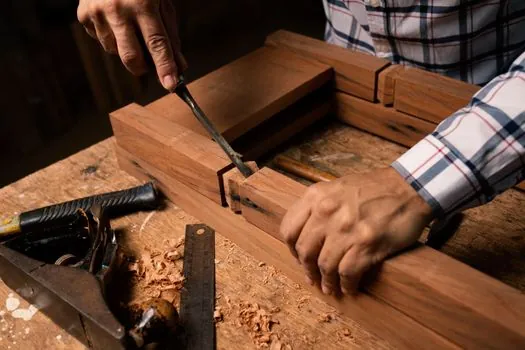
Cold chisels require correct support, controlled hammer blows, and attention to the strike face, because a hardened cutting end does not eliminate impact hazards. In a traditional carbon-steel cold chisel, only the working end is hardened and tempered while the hammer-contact end remains softer to absorb blows without shattering [S3].
Inspect the chisel before use and reject one with cracks, an extensively chipped edge, or a dangerously deformed strike end. A mushroomed strike face can develop sharp projections that cut fingers, and a loose fragment can strike an eye or another sensitive area [S3]. Such deformation is repairable on a bench grinder, but restoring the end does not justify using a cracked chisel [S3].
Grind a blunt or mismatched chisel to suit the geometry rather than forcing it into the workpiece. For a cape chisel, maintain the taper that prevents binding; for a diamond-point chisel, preserve the four-sided tapered profile so that it continues to produce a V-groove [S1][S3]. Chisels are consumable tools like drill bits and grinding wheels, so edge loss and reshaping are normal parts of their service life [S4].
Practical Decision Rules
For a keyway or wider channel, use a cape chisel because its tapered cutting edge is intended to prevent binding [S3]. For mixed metal and sheet-metal work, use a general flat cold chisel, which is documented for rivet heads, corroded fasteners, rods, bars, sheet metal, and heavier stock [S3].
For production batches, match or modify the edge to the actual groove or keyway profile. A chisel that does not fit the cut may chatter, bind, or produce an incorrect geometry, while a purpose-matched or correctly ground edge reduces corrective work [S4]. This selection logic also parallels the profile-based choice of moil point versus flat chisel bits, where the cut geometry rather than the generic name determines the tool.
Before assigning a chisel to a critical shaft keyway or weld-preparation groove, confirm the required cross-section and depth on the drawing, then inspect edge width, taper, strike-face condition, and hardness of the working end. Replace rather than reuse any tool with a cracked body or loose fragments, and keep the chisel aligned to the intended cut rather than compensating for a mismatched profile with heavy hammer blows [S1][S3].