Data-center slab specifications are written around three numbers the structural engineer actually has to defend: floor flatness (FF/FL numbers under ACI 360), design joint spacing, and allowable crack width at the surface — and fiber reinforcement moves all three [S2][S3].
Specifying teams in 2026 typically pick from a short list of fiber chemistries (polypropylene micro/macro, twisted-bundle macro-synthetic, hooked-end steel, brass-coated micro-steel) and back the choice with a dosage in kg/m³ against the slab's flexural demand [S2][S3]. Floor flatness, equipment-rack wheel loads, and routing of chilled-water/electrical conduit beneath the slab drive the decision more than headline tensile strength [S2].
Fiber Types a Data-Center Slab Can Be Specified Against
Eight chemistries are commercially available and four dominate data-center pours: monofilament PP microfiber, fibrillated PP microfiber, twisted-bundle PP macrofiber, and hooked-end steel fiber [S2][S3]. Microfibers come in 3 / 6 / 12 mm cuts and weigh grams per cubic metre; macrofibers run 30–50 mm with dosage in the 3–10 kg/m³ band; steel fibers typically 35 mm hooked-end [S2][S3]. The split matters because micros control plastic-shrinkage cracks, while macros contribute post-crack residual flexural strength the way a light rebar mat would [S2][S3].
Steel-fiber options include brass-coated micro (0.2 × 6 mm) and glued hooked-end (length 35 mm) for slab-on-grade where a partial replacement of rebar is acceptable on a tight pour schedule [S3]. Specialty choices such as polyacrylonitrile, cellulose, and normal-tensile polyester fiber are used for plastic-shrinkage control rather than structural reinforcement, and rarely appear as the primary fiber on hyperscale data-center pours [S2][S3].
Selection Criteria: Slab Geometry, FF/FL, Crack Width
For slab-on-ground with FF ≥ 50 / FL ≥ 40 (typical superflat requirement for data-center aisles) and joint spacing beyond 6 m, a structural macro-synthetic or hooked-end steel fiber at 4–8 kg/m³ is the common baseline [S2][S3]. Monofilament PP microfiber at 0.6–1.0 kg/m³ is added on top for plastic-shrinkage and fire-spalling compliance, but never credited as the only tensile reinforcement [S2][S3].
Joint spacing and shrinkage crack width are the binding gates: if the design calls for crack width ≤ 0.3 mm at the surface, the spec needs either tighter joint spacing, conventional rebar, or a steel-fiber dosage that delivers residual flexural strength (fR1 / fR3) values the engineer can defend [S2][S3]. Twisted-bundle macro fibers exist specifically to grip the cementitious matrix and lift post-crack residual capacity into the structural range, and they ship in standard 40 mm length grades [S3].
Polypropylene Microfiber vs Macro-Synthetic vs Steel: Side-by-Side
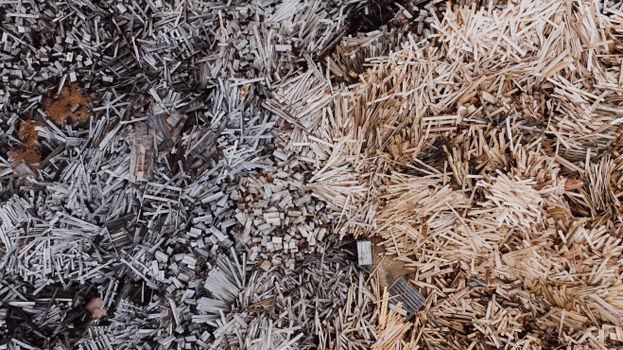
Three criteria separate the common options on a data-center floor: post-crack residual strength, fire-spalling performance, and risk of stray fiber corrosion at the surface. Monofilament PP microfiber (3–12 mm) is the lowest cost per kg, contributes essentially zero flexural residual, and is the standard additive for tunnel-fire spalling protection on elevated decks [S2][S3]. Twisted-bundle PP macrofiber (40 mm, ~6 kg/m³ dosage class) adds measurable residual flexural capacity and allows reduced rebar — useful where joint spacing is pushed [S3]. Hooked-end steel fiber (35 mm, ~25–40 kg/m³) is the only option with a direct steel-fiber-replaces-rebar track record on superflat slabs but introduces near-surface rust bleed risk that hyperscale operators find hard to accept [S3].
Spec tip: when the project document asks for "fiber-reinforced concrete" without naming the type, push the submittal back. A 0.9 kg/m³ PP microfiber mix and a 40 kg/m³ hooked-end steel mix both meet a generic "FRC" callout, and they behave nothing alike under a 15 kN rack-wheel load [S2][S3].
Use Cases Mapped to Fiber Chemistry
Hyperscale white-space slab-on-grade (FF/FL driven, 150–250 mm thick): steel fiber 30–40 kg/m³ OR macro-synthetic 5–8 kg/m³ as a partial rebar substitute, plus a topping micro-shrinkage fiber at 0.6–0.9 kg/m³ [S2][S3]. Composite steel deck on a data-hall mezzanine: micro-PP only, primarily for fire-spalling, dosage 0.6–1.0 kg/m³ — structural capacity is the deck's job [S2]. Precast generator-pad or transformer-plinth pours: hooked-end steel 35 mm or brass-coated micro-steel where thin sections and high impact are expected [S3]. Shotcrete for below-grade conduit banks: macro-synthetic 4–6 kg/m³ for buildable thickness without rebar [S2].
Selection guidance: if the slab is a true structural element carrying racking and CRAC units, skip microfiber-only specs. Monofilament PP microfiber is a plastic-shrinkage additive, not a structural reinforcement, and the category differences are spelled out on standard reference pages for concrete fiber selection and concrete admixture compatibility [S2][S3].
Limits, Failure Modes, and What the Spec Must Not Skip

Four failure modes drive warranty disputes on fiber-reinforced data-center slabs: balling of macro fibers at the pump, surface rust staining from steel fibers near joints, slab curl from non-uniform dosage, and post-crack residual lower than design if the dosage was sandbagged at the plant [S2][S3]. A spec that names "synthetic fiber" without length, dosage in kg/m³, and a required ASTM C1609 residual-strength class leaves all four exposure points open [S2].
Mix-design notes worth pinning to the submittal: macro-synthetic fibers typically require a 0.2% superplasticizer / water adjustment so workability is preserved at the 6 kg/m³ dosage; steel fibers demand a conveyor or shoot that avoids drop height > 1 m to limit balling; and micro-PP requires dispersion verified via a wash-out test on the first truck [S2][S3]. Cross-check the chosen fiber against the project's concrete batching plant capabilities — a plant calibrated for rebar-only pours will not deliver a uniform 6 kg/m³ macro-synthetic load without a fiber dosing skid [S2].
Sourcing and Standards Anchor Points
Material standards that should appear on the data sheet: ASTM C1116 for fiber-reinforced concrete, ASTM C1609 for flexural performance, ASTM D7508 for macro-synthetic fiber geometry, and EN 14889-1/-2 for European deliveries splitting steel and polymer classes [S2][S3]. Supplier portfolios in 2026 cluster these grades: monofilament PP 3/6/12 mm, fibrillated PP 12/19 mm, twisted-bundle PP macro 40 mm, polyacrylonitrile 6/12 mm, normal-tensile polyester 12/15 mm, brass-coated micro-steel 0.2×6 mm, and glued hooked-end steel 35 mm [S2][S3].
For 2026 procurement, lock the dosage in kg/m³ and the residual flexural class on the same line of the submittal, not in separate notes. Lead times for twisted-bundle macro and brass-coated micro-steel are tighter than for hooked-end steel on most regional plant lists, and that difference is the deciding factor on a fast-track data-hall schedule [S2][S3]. When the project also requires vibration of thick pours, coordinate fiber choice with the concrete vibrator plan so consolidation energy matches the fiber's balling threshold [S2].
Trackable next node: confirm whether the pour schedule calls for a concrete curing compound compatible with the selected fiber surface — a mismatch causes surface fiber exposure and dust complaints on white-space floors. Also relevant to a fully spec-anchored 2026 buildout, this 7-criteria spec map for modular UPS selection lines up with the same project gating rhythm data-center structural and electrical specs share, and a spec-first look at fiber optic sensor selection covers the monitoring side of the same white-space.