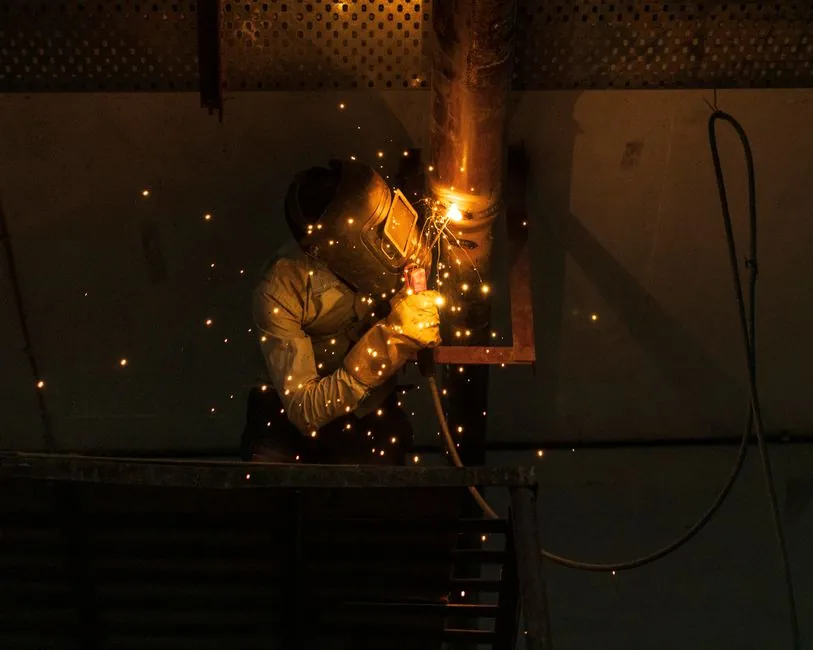
Permit-required confined space entry under OSHA 29 CFR 1910.146 requires a written program, an attendant, and a documented entry permit, but the standard itself does not name a helmet class, leaving the head-protection call to the employer's job hazard analysis [S1]. That gap matters: a 5 kg striker dropped from 1 m is the EN 397 test, while EN 12492 drops the same mass from 2 m and holds the chin strap to 50 kg instead of releasing at 25 kg, and that delta is what separates a site helmet from a confined-space or rescue-rated lid [S4].
For most permit spaces (tanks, vessels, vaults, hoppers, and similar restricted-entry volumes) the working envelope is the binding constraint, so a low-profile, close-fitting shell is preferred over a brimmed Type I hard hat that can wedge, hang up on internal piping, or deflect a lateral strike into the temple [S7]. Three specifications carry most of the decision weight: impact/penetration rating, chin-strap retention, and electrical class, and the right combination is a Type II, Class G or E shell built to EN 12492 with a 4-point or 6-point chin strap.
Scope: What OSHA 1910.146 Actually Covers
OSHA 1910.146 defines a confined space as one that is large enough to bodily enter, has limited or restricted means for entry or exit (tanks, vessels, silos, storage bins, hoppers, vaults, and pits are listed examples), and is not designed for continuous employee occupancy [S1]. A permit-required confined space additionally has one or more hazards: a hazardous atmosphere, engulfment risk, converging walls or floors that can trap, or any other recognized serious safety or health hazard, and the rule then mandates a written program, an entry supervisor, an attendant, and authorized entrants [S1].
The rule does not specify head-protection type, but the entry permit and atmospheric monitoring duties make it clear that the helmet must coexist with a respirator or supplied-air hood, harness, retrieval winch, and gas monitor without interfering with any of them [S1]. That combination is the first filter: a bulky Type I hard hat with a wide brim will not pair with a full-face respirator or a confined-space SCBA mask seal, while a low-profile Type II industrial climbing helmet will [S7].
Impact and Penetration: Type II vs Type I, EN 12492 vs EN 397
Under ANSI/ISEA Z89.1, Type I helmets are tested only for top impact, while Type II helmets add a lateral (side, front, rear) impact pass, and both still meet the same baseline [S5]. Type II construction typically pairs the wider impact envelope with reinforced padding and a more robust shell to absorb multi-directional energy [S5]. OSHA's April 12, 2024 SHIB update explicitly recognizes Type II, Class G as appropriate for its own employees, with Type II being the recommended baseline when lateral impact is credible [S2].
Across the Atlantic, EN 397 (industrial) is a 5 kg striker from 1 m with a 5 kN transmitted-force cap and a chin strap that releases under 25 kg if fitted, while EN 12492 (climbing and technical rescue) is a 5 kg striker from 2 m, allows up to 10 kN transmitted, and holds the chin strap to a minimum 50 kg release force [S4]. For confined-space work that includes vertical entry, fall arrest, or rescue on the same line, EN 12492's retention number and higher drop height are the relevant spec, and dual-certified shells (EN 397 + EN 12492) are common on the market to cover both duty profiles [S4]. A side-by-side summary:
EN 397 industrial: top-only impact, 1 m drop, 5 kN cap, chin strap releases under 25 kg, typical cost £5–£30, suits fixed-site industrial work [S4]. EN 12492 climbing/rescue: multi-directional impact, 2 m drop, 10 kN cap, chin strap holds to 50 kg, typical cost £50–£100+, suits work at height, rope access, and confined-space rescue [S4]. For pure top-down falling-object risk with no vertical entry, EN 397 is acceptable; for permit spaces where a worker is hanging in a harness, EN 12492 retention is the right call [S4].
Electrical Class and Atmospheric Compatibility
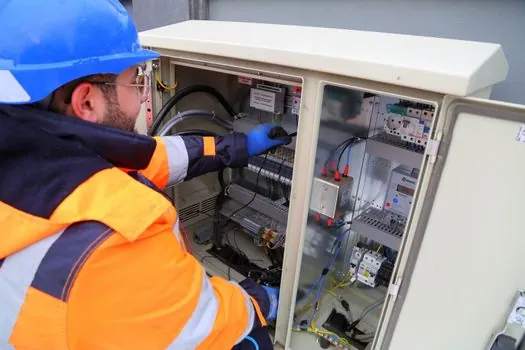
ANSI/ISEA Z89.1 splits electrical performance into three classes: Class G (General) proof-tested at 2,200 V phase-to-ground, Class E (Electrical) proof-tested at 20,000 V phase-to-ground, and Class C (Conductive), which provides no electrical protection [S2]. For wet or otherwise conductive permit spaces (sewer manholes, electrical vaults, de-energized but damp cable pits), specify Class G or Class E; Class C shells with vented ports are not appropriate where a stray energized conductor could contact the head [S2].
EN 50365 is the European equivalent for live-voltage work up to 1,000 V, and a shell certified to both ANSI Z89.1 Class E and EN 50365 gives the broadest electrical coverage on a multi-standard site [S4]. Note that a chin strap that releases at 25 kg (EN 397 only) is not a substitute for a harness-class 50 kg strap when the worker is suspended; the strap is meant to keep the helmet on the head through a fall, not to act as a lanyard for the worker [S4].
Fit, Profile, and Confined-Specific Geometry
Confined-space helmet selection is largely a geometry problem: the shell must clear internal piping, pass through manways and tank hatches, and not interfere with the respirator or SCBA facepiece seal. A close-fitting, brimless or short-brim shell (e.g. climbing-style) is the standard answer, and dedicated confined-space models such as the TR2000 are marketed specifically on a low-profile shell that "does not cause obstruction when space is at a premium" [S7]. The TR2000's product framing is consistent with EN 12492-style retention and Type II coverage for tight envelopes, though buyers should confirm the exact certificate on the nameplate rather than rely on marketing copy [S7].
Comfort, often dismissed as secondary, drives consistent wear: properly sized shells with balanced weight, an adjustable suspension, comfortable contact points, and an appropriate brim profile are the five parameters that determine whether a worker keeps the lid on for a full shift [S8]. A chin strap that is awkward or pinches under a hood will get unstrapped the moment the attendant looks away, defeating the 50 kg retention spec, so fit and strap ergonomics deserve the same attention as the certificate itself [S8]. For multi-PPE scenarios in permit spaces, the related question of oxygen detector selection for electrical confined-space work is the atmospheric-monitoring counterpart to the same entry plan.
Who It Is For, and Who It Is Not For
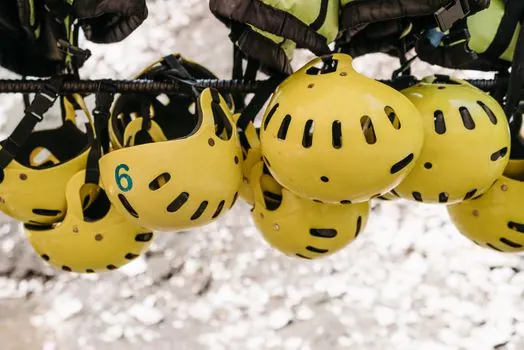
A Type II / EN 12492 close-fitting helmet is for: workers entering permit-required confined spaces with vertical or inclined access, possible lateral impacts from internal structure, fall-arrest harness use, and the need to wear a respirator or SCBA facepiece. It is the right call for tank and vessel cleaning, sewer and utility vault entry, and any rescue role that may retrieve an entrant from the same opening. [S4]
A standard EN 397 / Type I industrial hard hat is not the right primary head protection for those scenarios, because the 25 kg chin-strap release, top-only impact zone, and typical brim profile together create a real risk of helmet loss during a slip and of brim snagging in the bore. It remains acceptable for atmospheric-only entries with no vertical exposure and no lateral impact hazard, and as a visitor or ancillary-worker helmet outside the permit boundary.
Failure Modes and Limits to Watch
Three failure modes dominate confined-space head-injury reports: helmet loss during a fall (under-rated chin strap), lateral strike against internal steel (Type I only), and brim snagging that yanks the head back (Type I with full brim in a tight bore) [S3][S4]. The first is fixed by moving from EN 397 to EN 12492 retention; the second by moving from Type I to Type II; the third by moving to a brimless or short-brim climbing profile [S3][S4][S7].
A second set of limits is chemical and thermal: standard ABS or HDPE shells have published temperature windows and may not be rated for the chemical exposures present inside some process vessels, so the JHA must reconcile the helmet material data sheet with the space's MSDS, and high-temperature or FR-rated shells specified where hot-work or post-fire entry is on the permit [S2]. Electrical class is the third limit: a Class C vented shell in a manhole that later becomes energized is a fatality in waiting, so defaulting to Class G or E in any conductive environment is the safer baseline [S2].
Sourcing, Standards, and Next Verification Steps
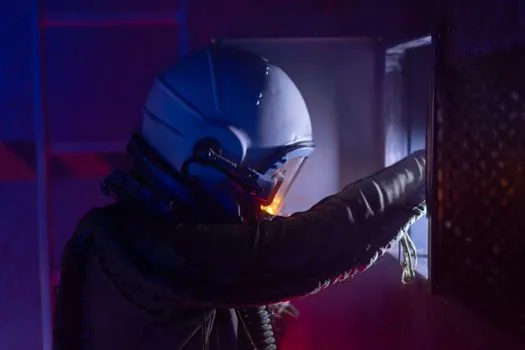
Decision criteria, in priority order for most permit spaces: (1) EN 12492 chin-strap retention at 50 kg, (2) Type II lateral impact certification to ANSI/ISEA Z89.1, (3) Class G or E electrical rating, (4) close-fitting brimless or short-brim profile, (5) respirator/SCBA compatibility, (6) chemical and temperature compatibility from the manufacturer's data sheet. Dual-stamped helmets carrying both EN 397 and EN 12492 cover both fixed-site and rescue profiles and are the practical default for plant rescue teams [S4].
Trackable signals for the next review: any revision of OSHA's head-protection SHIB, any change to ANSI/ISEA Z89.1 marking rules, and the publication of CEN revisions to EN 397 or EN 12492. Until then, a Type II / EN 12492 / Class G or E close-fitting shell with a 50 kg chin strap and a respirator-compatible suspension is the spec to write into the entry permit's PPE section. For a parallel decision on lower-body PPE, see the confined-space safety shoes spec-driven selection guide and the related warehouse safety helmet selection comparison for EN 14052 high-performance shells.
For component-level specifications, see safety helmet, fire safety, and machine safety.