
A control valve is a linear-motion throttling device specified for modulating flow, pressure, or temperature inside a closed control loop, whereas a globe valve is the same fundamental plug-and-seat geometry sold primarily for on/off isolation or hand-set regulation without an automatic actuator — the two converge on internals but diverge on duty profile.
Globally stocked examples illustrate the split: the Cla-Val 90-21 series ships as a 90G-21 globe-body pressure-reducing valve rated 250 psi / 400 psi at 180 °F (82 °C) for fire-protection duty [S1], while the HollySys A100 series offers single-seat, cage, sleeve, multistage, low-leakage, bellows-seal, fluorine-lined, high-temperature, and low-temperature structural variants as purpose-built modulating trims [S6]. GLOBE Airmotors' GLOBE series is a lever-controlled proportional regulator sized for compressed-air service on pneumatic motors [S3].
Where the two products overlap and where they split
Both devices rely on a plug lifting vertically out of a seat ring housed in a spherical body, so the pressure-recovery characteristics, trim materials, and end-connection options are nearly identical between the two families [S4]. The functional gap is the actuator and trim stack: a control valve is sold with a pneumatic diaphragm, piston, or electric actuator plus a positioner as a matched assembly, with a characterized trim (linear, equal-percentage, or modified parabolic) chosen to deliver a predictable installed flow characteristic across the control loop. A commodity globe valve is supplied with a handwheel, gear, or lever and is rarely characterized beyond the inherent vs equal-percentage inherent curve of the bare plug — a deliberate limitation, because hand-set duty does not require tight gain matching.
This overlap is why a Cla-Val 90G-21 pressure-reducing valve [S1] and a Mival 153-series cast-iron flanged globe valve [S2] can share a body casting pattern yet sit in completely different specification lines. Mival's 153 lists media coverage for hot water, oil, air, and steam in industrial, heating, and boiler applications [S2] — a manual lineup aimed at HVAC and utility isolation rather than continuous modulation.
Decision criteria: four filters that separate the two
1) Duty cycle. Continuous modulation (defined in duty-cycle terms across a feedback loop) is the domain of the control valve; intermittent isolation or hand-throttled setpoint is the globe valve's lane [S4][S6]. A HollySys A100 with cage trim is built for sustained cycling in refinery service, while a Mival 153 handwheel globe is built for "start, stop, and regulate" hand operation [S2][S4].
2) Leakage class. Control valves are specified against tight-shut classes (typically Class IV, V, or VI, with metal or soft seats), whereas commodity globe valves are commonly accepted at higher seat-leakage rates suitable for isolation. HollySys lists "low leakage" as a dedicated A100 configuration option [S6], confirming that low leak is a separate trim line, not a default.
3) Actuation and signals. Pneumatic 4-20 mA positioner, electric 4-20 mA / 0-10 V, Foundation Fieldbus, PROFIBUS PA, and HART protocols pair with control valves; globe valves are ordered bare or with a manual handwheel / gear, occasionally with a limit-switch or solenoid for sequence control but rarely with a positioner.
4) Media envelope. Steam, hot water, oil, air, and aggressive chemicals are listed on both products [S2][S3], but the envelope splits again on temperature and corrosion: fluorine-lined and bellows-sealed A100 variants are the right answer for corrosive or toxic media, while a cast-iron body is acceptable for utility water/steam in HVAC.
Body geometry and trim variants to know
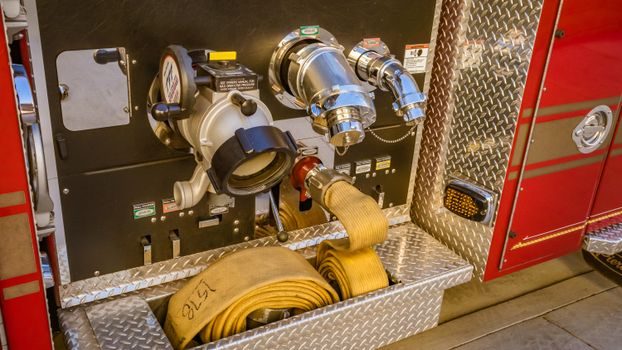
The globe family includes single-seat, double-seat, cage, sleeve, multistage (for noise and cavitation control), bellows-sealed, jacketed, and lined configurations, as HollySys enumerates for the A100 platform [S6]. Mival's 153-series cast-iron body with flanged ends [S2] sits in the lower-left corner of that matrix — single-internals, no exotic trim, handwheel only. Zhejiang Zhongchuan Pump Valve's catalog lumps globe, gate, check, ball, and stop valves under the same DIN-pattern manufacturing line, with Russian-pattern and DIN-pattern variants stocked off the same foundry [S5] — a useful pointer that body patterns, not geometry alone, drive commodity-globe sourcing.
Body material then drives the pressure-temperature envelope. Cast iron caps the Mival 153 in HVAC/utility steam and hot water [S2]; carbon steel, stainless, alloy, and lined bodies are standard on the A100 [S6]. End connections follow the same pattern: flanged is dominant on both, with threaded and butt-weld available on smaller sizes.
For whom each valve is the right answer
Pick a control valve when the application is closed-loop process control — pressure reducing on a fire main (Cla-Val 90-21 [S1]), flow regulation on a refinery header (A100 cage or multistage trim [S6]), or proportional air control on a pneumatic motor (GLOBE proportional valve [S3]). Specify it with an actuator, positioner, and air-set, and budget for the instrumentation loop separately. Pick a standard globe valve when the duty is hand-throttled setpoint, line isolation, or infrequent regulation in HVAC, boiler make-up, or tank transfer (Mival 153 [S2]; generic on/off service [S4]). It is the wrong tool for tight modulating control because the bare plug's characteristic is too coarse, and a positioner is rarely fitted.
Do not pick a commodity globe as a substitute for a control valve in continuous throttling: the handwheel is not an actuator, the trim is not characterized for loop gain, and seat life under continuous cycling will fall well short of a designed control trim. Conversely, do not over-spec a control valve for hand-only isolation duty — the positioner, I/P, and air supply add cost and failure modes that the application does not need. A useful heuristic: if the loop has a transmitter feeding a controller, the downstream valve should be a control valve; if a human opens and closes it a few times a day, a globe valve is enough.
Real use cases pulled from the 2026 product record
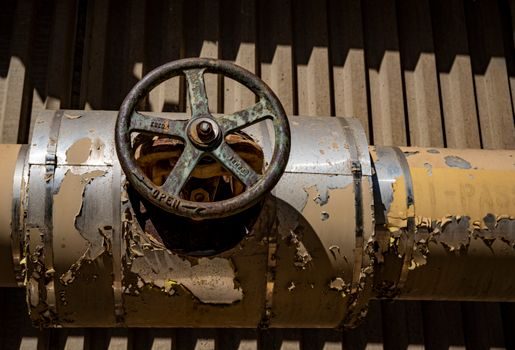
Cla-Val 90G-21 globe-pattern pressure-reducing valve, 250 psi / 400 psi, 180 °F (82 °C), for fire-protection mains [S1]. Mival 153-series cast-iron flanged globe with handwheel, media coverage hot water / oil / air / steam, applications industrial / heating / boiler / tanks [S2]. GLOBE Airmotors lever-controlled proportional control valve for compressed-air service on pneumatic motors [S3]. HollySys A100 platform offering single-seat, cage, sleeve, multistage, low-leakage, bellows-seal, fluorine-lined, high-temperature, and low-temperature configurations for refinery, chemical, and cryogenic duties [S6]. RS-Online's general globe-valve lineup described as linear-actuated, suited to start/stop/regulate flow in gas and liquid lines [S4]. Zhejiang Zhongchuan Pump Valve's catalog of gate, globe, check, ball, and stop valves in DIN and Russian GOST patterns from a Wenzhou foundry [S5].
Limitations, failure modes, and standards to keep in mind
Cavitation, flashing, and high-noise service are the chronic pain points on globe-pattern valves; multistage and cage trims exist specifically to address these on the control-valve side [S6], while commodity globes are rarely engineered for them. Bellows-seal variants are specified when the process media is toxic or volatile, because the bellows isolates the packing area — a failure mode that standard packed globes cannot mitigate. Fire-protection and building-services installs are typically bound by local code references to recognized standards for pressure-reducing valves; sourcing against manufacturer-published pressure/temperature ratings, as Cla-Val publishes for the 90-21 [S1], is the working spec for that equipment.
For control valves, follow manufacturer-published trim, actuator, and positioner datasheets, and confirm that the chosen variant matches the loop's required characteristic and shut-off class. HollySys's A100 enumerating single-seat, double-seat (sleeve/cage), and low-leakage options [S6] is a useful map of the variants a serious spec should reference. Standard commodity globe valves (Mival 153, RS-Online lineup) are usually ordered against pattern and pressure-class conventions [S2][S4].
Engineers building a valve schedule against a DCS or SCADA package should look at the related spec cut for Industrial PC vs PLC: 2026 Spec Cut for Control-Cabinet Specifiers to align valve-side control with cabinet-side controller choice, since positioner signals, fail-safe direction, and partial-stroke testing all depend on the controller family. For a wider view of process-skid assembly and noise/cavitation trims, the Offshore Wind Smart Manufacturing: Automation Stack and 2026 Spec Gates article covers where globe-pattern control valves sit inside modern process skids.
Trackable signals to watch over the next quarter: continued expansion of fluorine-lined and bellows-seal A100-class variants for corrosive and toxic service [S6], broader stocking of DIN-pattern cast-iron globes from Wenzhou-cluster foundries [S5], and incremental tightening of low-leakage class offerings as refinery and chemical-plant retrofits target tighter emissions envelopes. Confirm the exact pressure/temperature envelope and trim code against the manufacturer's current datasheet before issuing a purchase order.
For component-level specifications, see access control.