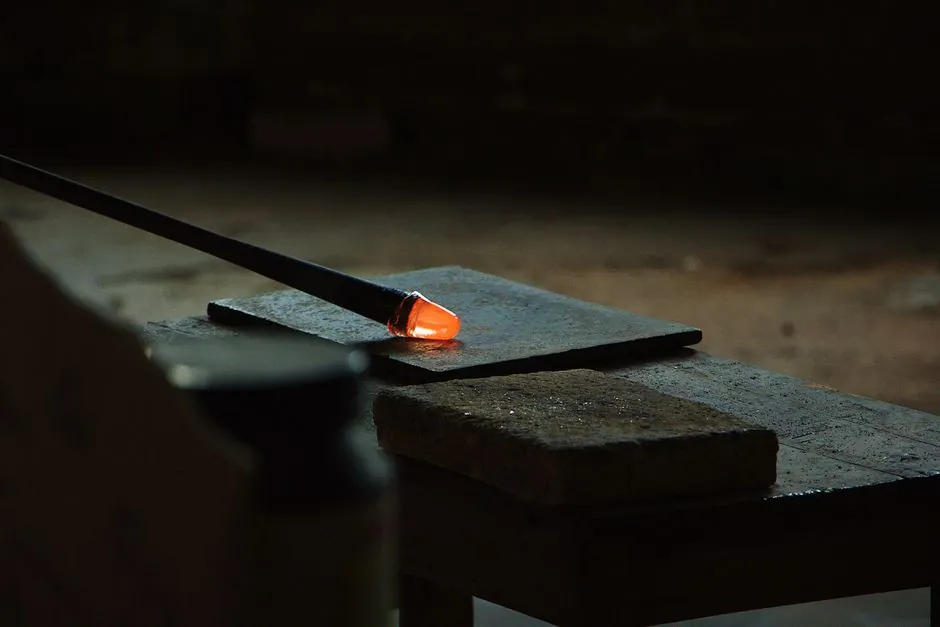
Jewelry and foundry casting share the same physics, but the sizing logic diverges sharply: jewelry operations melt grams of gold or silver at 900-1100°C in benchtop or dental-style units, while foundry operations melt kilograms to tons of aluminum, copper, bronze, or ferrous alloys at 700-1600°C+ in crucible furnace systems rated for shift duty [S1][S2].
The rated capacity on a crucible model (for example, a "No. 16" rated at 16 kg of aluminum) is not the working capacity. Working capacity is typically 85-90% of rated volume to allow for thermal expansion and stirring, dropping to 70% for reactive metals such as magnesium [S2].
Why Capacity Numbers Alone Mislead Buyers
Crucible selection is a multi-variable problem, not a single-number lookup. Foseco's published selection guide frames it around nine categories: furnace type and dimensions, alloy range, melt and hold temperature, thermal ramp rate, charging method, fluxes, degassing or refining, dross removal, and emptying method [S4]. A crucible that is undersized forces multiple batches, which increases oxidation, energy cost, and crucible wear per kg poured; a crucible that is oversized and partially filled suffers thermal stress and reduced service life [S2].
For non-ferrous metals the practical fill target is 80-90% of rated capacity, while ferrous operations (steel >1600°C) need thicker-wall crucibles that derate effective capacity further, and the higher melt temperature also shortens crucible life per heat [S2].
Jewelry Casting: Small Charges, Tight Geometry
Bench jewelers typically work with charges measured in grams to a few hundred grams. A novice purchasing a used dental casting machine inherits crucibles sized for single rings per flask; the slot system limits the practical crucible to a small rectangular base, and the unit is generally unable to swing a flask larger than a ring tree [S3].
Alloy density and melt temperature also differ from foundry work: silver melts near 962°C, gold near 1064°C, and the volume change on melting plus flask sprue geometry means the crucible should never be filled to the visual rim. Bench top melting with acetylene or propane torches is feasible for small silver batches when the gas supply and ventilation are correctly set up [S3].
Foundry Casting: Production-Scale Sizing
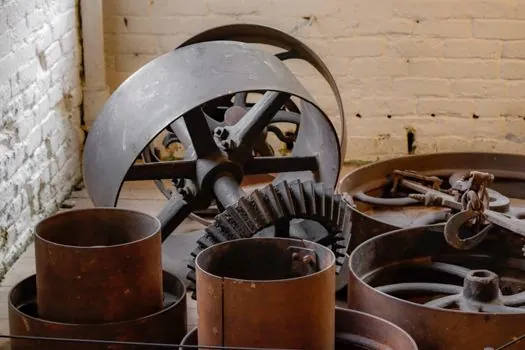
Foundry crucibles are specified in kilogram-rated model numbers (No. 16 = 16 kg of aluminum is a common example) and must clear the furnace chamber by 20-30 mm on the OD to allow combustion gas flow and tool access for removal [S2]. Standard shapes include A-shape (tapered, for pit furnaces), B-shape (straight wall, for tilting furnaces), and bilge shape [S2].
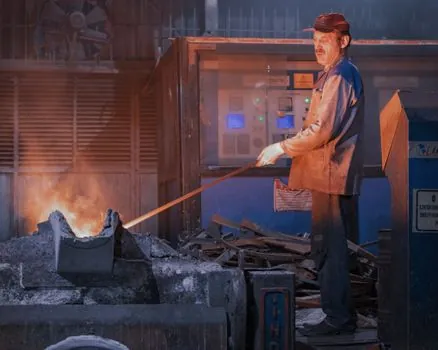
Industrial buyers should not borrow a jewelry sizing logic. A small industrial foundry running daily shifts still needs an industrial crucible furnace with controls, alarms, interlocks, ventilation, and maintenance access; a furnace sized only for occasional jewelry work will not survive a production schedule [S1]. Foundry buyers should also plan for the surrounding equipment: scrap bins, ingot or sow feed, ladles, holding furnaces, cranes, forklifts, or automated casting cells that all interact with crucible size [S1].
Decision Matrix: Jewelry vs Foundry Sizing Logic
Side by side, the two workflows differ on every decision axis. Charge weight is grams (jewelry) versus kilograms to tons (foundry) [S1][S3]. Fill target is 85-90% of rated capacity for both, dropping to 70% for reactive metals [S2]. Temperature is 900-1100°C (precious metal) versus 700-1600°C+ (aluminum through steel) [S2]. Furnace type is benchtop torch or dental unit versus tilting, pit, or induction [S3][S4]. Crucible shape is small rectangular base, often proprietary to the casting machine, versus A-shape, B-shape, or bilge [S2][S3]. Emptying method is hand-pour with tongs versus ladle, bailer, or mechanical pour [S1][S2]. For related foundry-side geometry, see Casting Ladle Transfer Car vs Overhead Ladle Crane: 2026 Selection Guide.
Common Selection Errors on Both Sides
Three mistakes dominate. First, sizing to a single best-case number: real plants have shift changes, cleaning time, variable scrap density, maintenance windows, and downstream pauses that all shift the optimum [S1]. Second, ignoring the relationship between outer diameter, furnace chamber clearance, and lid fit: a crucible that is too tall will not seat under a closed lid, and one that is too wide blocks gas flow and removal [S2]. Third, treating a casting machine as if it were a generic furnace: dental-style units have hard mechanical limits on flask and crucible envelope, and modifying beyond those limits is unreliable [S3].
For the materials side of the question, graphite vs clay-graphite selection is a separate decision layered on top of size, and the buying-guide framing in [S7] is to match the metal, batch size, and furnace first, then check the temperature rating and stated capacity against the working-fill rule above.
Pre-Purchase Checklist Buyers Actually Use
Before requesting a quote, document material source, expected output, alloy range, current bottleneck, available utilities, floor space, operator access, and the equipment already installed around the proposed furnace location [S1]. Photos and simple measurements of bin size, charge shape, ceiling height, door clearance, and finished-product handling typically resolve sizing questions faster than a written specification drafted too early [S1]. For graphite or clay-graphite material choice layered on top of size, see Graphite vs Clay-Graphite Crucibles: Spec-Driven Selection for Casting Furnaces.
Track these signals over the next quarter: (1) whether suppliers publish explicit working-capacity charts separate from rated-capacity model numbers, since the 85-90% fill rule is the most-cited number and the most-misapplied [S2]; (2) whether more jewelry-equipment vendors standardize on interchangeable slot systems, which would let small shops upsize without replacing the casting machine [S3].