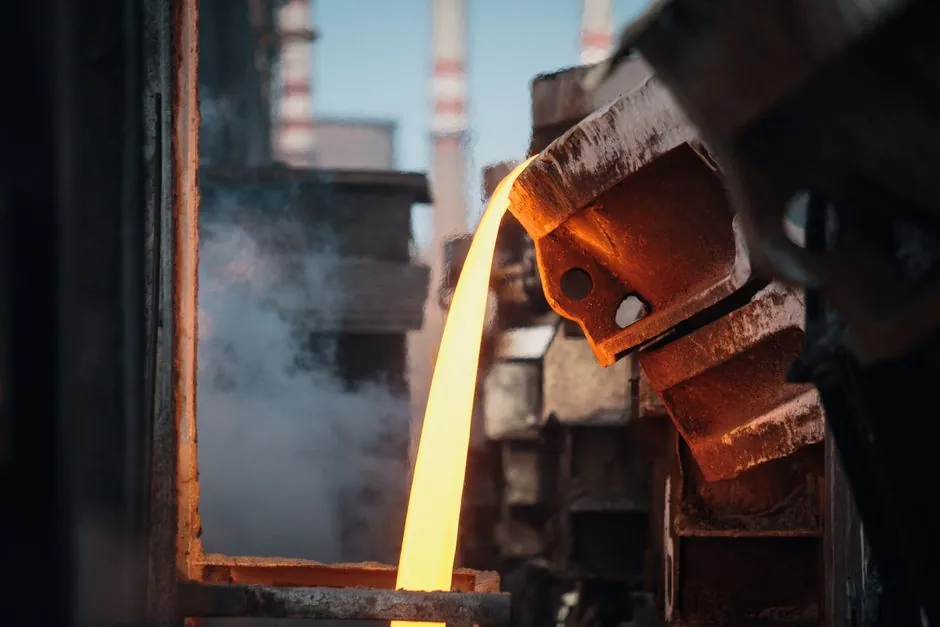
Mineral wool producers are actively shifting away from coke-fired cupola furnaces toward electric melters to lower CO2 emissions, with Metso launching an electric mineral wool melting furnace in January 2024 to serve that demand [S3]. The traditional alternative, the vertical coke-fired cupola, has been the backbone of stone wool lines for roughly 70 years [S7], and the two routes remain the dominant melter options in 2026.
Cupola capacity for stone wool commonly spans 1.5–2 t/h up to 12 t/h of finished product on a single furnace, per Gamma Meccanica's standard offering [S2]. Air Products' process note lists cupola as the most frequent mineral wool melting route, alongside electric, cyclone, shaft, and chamber furnace alternatives [S1]. The decision between them is no longer a pure capex question; it is now driven by energy mix, decarbonization targets, and feed-material variability.
Cupola Furnace: Operating Principle and Materials
The cupola furnace melts mineral charge through coke combustion with hot blast air, transforming the raw mix into a stone wool melt that is then fiberised [S2]. FinMach specifies AISI 321 stainless steel for the tuyeres, tuyere pipes, and blast air ring, paired with EN-1090 EXC2 welding certification on the cupola body [S5]. Gamma Meccanica builds the water-cooled shell in "steel for boiler" with natural-convection coolant circulation, which keeps the system operable without emergency power during a blackout [S2].
Coke-fired cupolas hit roughly 50% thermal efficiency in stone wool service, with the rest leaving as stack and cooling losses [S7]. Iron-oxide reduction to metallic iron is an unwanted side reaction in stone wool cupolas, distinct from foundry cupola practice where the metallic iron bead is the product [S8]. Production line waste is recycled back through the cupola after being briquetted, which closes the in-plant material loop but adds a briquetting step [S2].
Electric Melter: Operating Principle and Constraints
Electric melters melt the mineral charge by Joule heating through electrodes immersed in the bath, eliminating coke from the thermal equation [S2]. Metso's 2024 launch is explicitly targeted at CO2 reduction versus the cupola baseline, reflecting industry decarbonization pressure [S3]. The 1982 Forty-Eight Insulations patent (US4320244A) already documented the early electric route for mineral wool and flagged high heat losses as the main economic drawback, an issue that has shaped the technology for four decades [S4].
The electric route's headline advantages are zero on-site coke combustion, the ability to recycle all line waste directly without briquetting, and lower specific energy consumption per ton of melt [S2]. The trade-off is electrical demand: a 10 t/h stone wool line in electric mode typically needs multi-MW transformer capacity and a stable grid connection, with limited tolerance for short start/stop cycles compared to a cupola. Producers without a low-carbon power purchase agreement do not capture the full CO2 benefit of the electric switch, since the upstream grid fuel mix determines the actual footprint.
Side-by-Side Comparison on Four Decision Criteria
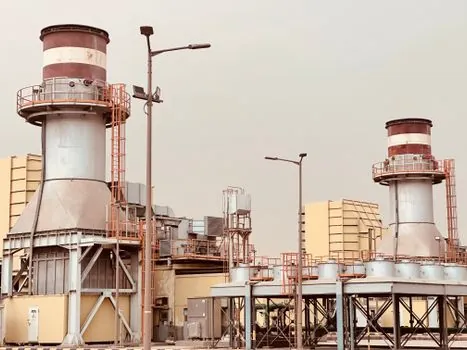
Across the four criteria that most affect capex/approval decisions, cupola and electric melters diverge sharply. (1) Energy source: cupola uses metallurgical coke and blast air; electric melter uses grid electricity and electrodes [S2]. (2) Thermal efficiency: cupola sits near 50% in stone wool service [S7]; electric melters avoid stack losses from combustion but still radiate heat through the shell, and the 1980s patent literature rates them as heat-loss-constrained [S4]. (3) Start/stop flexibility: cupola can be idled and restarted in hours; electric melters are typically designed for continuous duty and penalise cold starts. (4) Waste feed: cupola needs briquetted line waste [S2], whereas the electric melter accepts waste directly without briquetting [S2], which simplifies the upstream line.
Capacity overlap is real, not theoretical: Gamma Meccanica quotes 1.5–2 t/h to 12 t/h for the cupola, with the electric melter offered as a parallel option on the same mineral wool platform [S2]. FinMach supplies coke cupolas as a core product and partners for gas cupola and electric melter deliveries on the same stone wool lines [S5]. FinMach's cupola design includes "optimized ratio diameter/height" and tuyeres/blast-air tuning to push efficiency beyond the bare 50% baseline [S5][S7].
Who Each Furnace Type Is For
The cupola is the right pick for plants with cheap metallurgical coke supply, frequent grade changes, and a product mix that benefits from short cold-start windows. It is also the natural choice where line waste is high and a briquetting line is already on site, since the cupola is rated to consume briquetted return material [S2].
The electric melter fits greenfield builds in regions with decarbonized grid power, plants targeting Scope 1 emission reductions, and sites that want to skip the briquetting step entirely [S2][S3]. It is not a fit for operations needing daily on/off cycling or sites without firm multi-MW power, and it is a poor swap-in for a foundry cupola, since stone wool service specifically avoids the metallic-iron reduction that foundry operators want [S8]. Plants already running a cupola furnace and weighing retrofit should weigh fuel-cost trajectory and CO2 pricing, not just first-cost.
Process Side Effects and Failure Modes
Stone wool cupolas are sensitive to iron-oxide feed chemistry, and reducing conditions that drop metallic iron in the melt can foul the fiberising spinner and shift product color [S8]. Refractory life on the siphon and liquid-output zones is a known wear point, with Gamma Meccanica coating those areas in special refractory while keeping the rest as water-cooled steel [S2].
Electric melters shift the failure mode set: electrode consumption, bath refractory erosion, and electrical fault tolerance become the dominant maintenance items rather than tuyere and blast-air system wear [S5]. Plants that run a melting furnace on a gas-fired aluminum melting furnace duty should not assume the same operating envelope applies, since stone wool melt chemistry, temperature, and viscosity differ markedly from aluminum. The downstream fiberising line, not just the melter, sets the practical upper limit on how fast either furnace type can change throughput.
Use Cases: Where Each Route Has Won
Established European stone wool producers with multi-decade cupola assets typically run them at 5–12 t/h with optimized tuyeres and blast air, accepting the 50% efficiency floor in exchange for fuel flexibility [S2][S5][S7]. Newer Asian and North American plants pursuing EPD-driven product declarations have been the early movers on electric melters, which Metso's 2024 launch directly targets [S3].
Producers with high recycled-content targets (returned board, off-cuts, edge trim) lean electric because they avoid the briquetting capex, while producers with cheap coke and stable slag-handling infrastructure continue to standardise on cupola [S2]. For a project that has to ship rock wool insulation to specs that already demand a specific building stone-adjacent fire rating, the melter choice feeds back into fiber diameter distribution and thus into the final product declaration.
Signals to Track Through 2026
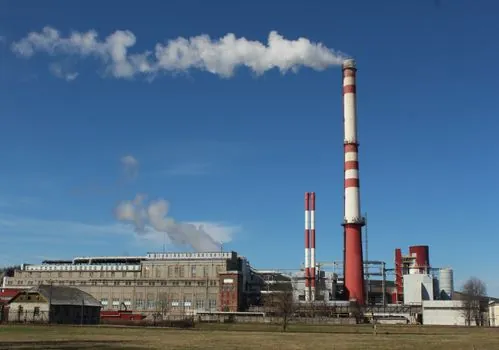
Two verifiable signals will tell you which way the market is moving. First, watch whether Metso's January 2024 electric mineral wool melting furnace [S3] is followed by additional OEM launches or capacity announcements through 2026, since that is the leading indicator of how broadly electric is being adopted. Second, track regulatory pricing of CO2 and metallurgical coke in the European Union and China, because a sustained coke-to-electricity price inversion flips the payback math on cupola-to-electric retrofits. Plants that already run a cupola furnace on stone wool and have a low-carbon PPA in place are the likeliest first wave of electric conversions.
Related analysis: Squeeze Pin Design for Local Pressure Intensification in HPDC.