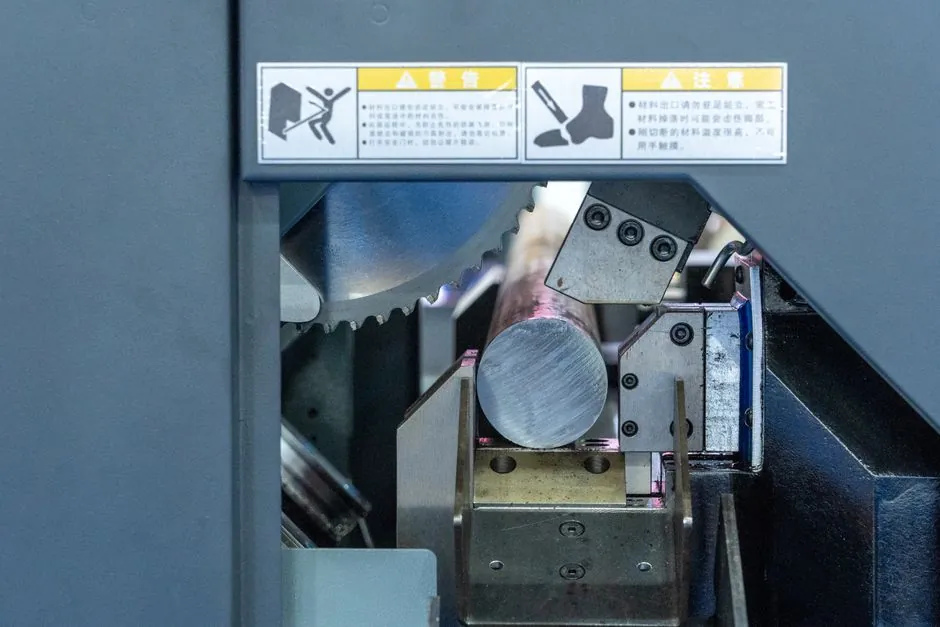
Cemented carbide and ceramic cutting tools sit between a tungsten-cobalt powder upstream and CNC-driven downstream machining of electronics, automotive, aerospace, and medical parts [S1][S2]. Carbide tools are primarily made from cemented carbides for high hardness, high precision, and high-temperature processing, and are widely applied in milling, drilling, slotting, and truing of difficult-to-machine metallic materials [S2].
Downstream end-uses diverge sharply by tool family: carbide end mills serve CNC metal cutting across carbon steel, stainless steel, hardened steel, aluminum alloys, copper, plastic, and ceramic workpieces [S2], while ceramic tools are typically heat- and wear-resistant, making them suitable to machine metals that are extremely hard and chemically aggressive [S1]. Custom form tools, including AS9100-certified aircraft reamers and drills, address narrower medical, firearms, and aerospace niches [S4].
Cemented carbide cutting tools depend on a tight upstream stack: tungsten carbide (WC) powder and cobalt (Co) binder, mixed, pressed, and sintered to ISO 513-style cutting-tool grades. Carbide tools are primarily made from cemented carbides with high hardness and a high level of precision that permits high temperature processing, which is why Co-bound WC remains the workhorse substrate for CNC milling and drilling [S2]. Ceramic cutting tools pull from a different upstream: oxide (Al2O3, ZrO2), carbide (SiC), nitride (Si3N4), boride, silicide (SiSiC nozzles are an indicator product), cermet, and composite-material feedstocks, supplied as powders, formed parts, or finished cutting inserts [S1].
The upstream map is fragmented by chemistry family. Oxide, carbide, nitride, boride, and silicide powders each have their own supplier base, and forming, sintering, grinding, and inspection equipment suppliers serve the powder-to-blank conversion step [S1]. For a procurement team, the practical gate is supplier qualification by chemistry family, not by tool brand, because SiC vs Si3N4 vs oxide substrates behave very differently in high-temperature turning.
Downstream demand by sector and CNC process
End applications are widely ranged from electronic products, automobiles, aerospace, and medical industry, with carbide cutting tools carrying out milling, drilling, slotting, and truing on difficult-to-machine metallic materials [S2]. PCB drilling is a notable sub-segment, where carbide micro-drills and router bits feed electronics and SMT assembly lines; related drilling and tooling categories sit on the cutting machine side of the catalog.
Aerospace and medical pull the spec toward AS9100 quality systems, custom reamers, drills, and special form tools for fixation devices, stabilization parts, prosthetics, and fittings [S4]. Firearms and metal-cutting job shops consume special form tools and standard end mills for low-volume, high-mix work [S4]. For structural steel and heavy-plate work, riser-cutting machines and welding and cutting tools handle the upstream steel-prep step, while the inserts and end mills in this article cover the downstream CNC machining pass.
Tool family comparison: carbide, ceramic, and custom form
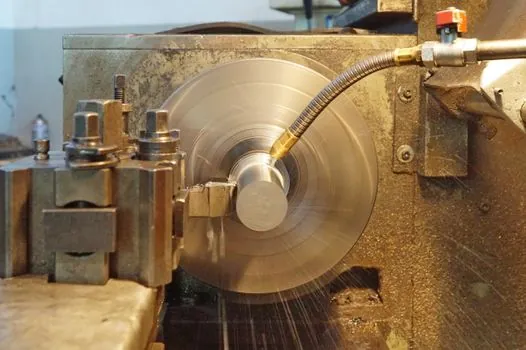
The three main tool families line up against four practical decision criteria: workpiece hardness, operating temperature, geometric complexity, and lot size. [S2]
1) Cemented carbide (WC-Co) end mills and drills: best general-purpose choice for CNC milling, drilling, slotting, and truing on carbon steel, stainless steel, hardened steel, aluminum, copper, plastic, and ceramic; high hardness and high precision at moderate temperatures; standard and custom geometries available; economical in both small and large lots [S2]. 2) Ceramic cutting tools (oxide, SiC, Si3N4, cermet, composites): heat- and wear-resistant, suitable to machine extremely hard and chemically aggressive metals that would rapidly wear carbide; typically run at higher cutting speeds and temperatures; geometry is usually standard insert shapes, not custom end mills; best for medium-to-high volume production [S1]. 3) Custom carbide form tools and special reamers: made for exclusive firearm, medical, and aerospace challenges, with AS9100 certification and engineer-led discovery sessions to match tool to part; higher unit cost, but justified for tight tolerances on difficult workpiece features [S4].
The trade-off is straightforward: specify carbide for 80% of CNC work, switch to ceramic when carbide wears too fast on hardened or exotic alloys, and bring in a custom form-tool shop when a standard geometry cannot hit the print.
Standards, certification, and quality gates
AS9100 certification is the dominant quality gate for cutting tools entering aerospace production lines, covering manufacture of custom, quality, aircraft-application reamers and drills specified to customer needs [S4]. Carbide grade classification typically follows ISO 513, which sorts cutting-tool materials by application group and material to be machined; ISO 513 is the standard engineers cite when a print calls out a grade letter such as P, M, K, N, S, or H.
For tool-life and wear data on coated carbide, surface coating technology is integrated with unique tooling design to enable advanced product performance, which is why the coating specification is usually written as a separate line item from the substrate [S2]. For shops sourcing on a tight spec, supplier qualification should ask for grade chemistry, grain size, cobalt content, coating stack, and edge preparation, not just a trade name.
Selection criteria by workpiece and lot profile
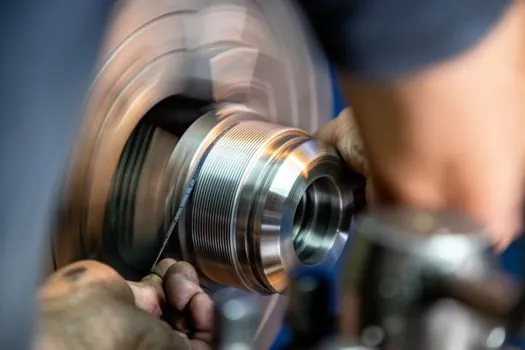
Pick a cutting-tool family by matching the workpiece to the substrate's sweet spot. For carbon steel, stainless steel, and aluminum alloys in lots from prototype to mass production, specify a coated carbide end mill from a CNC-focused supplier with confirmed grade chemistry [S2].
For tight-tolerance features on medical, firearms, or aerospace parts where a standard end mill cannot hold the print, source custom form tools, reamers, or drills from an AS9100-certified manufacturer that runs engineer discovery sessions and expedited delivery [S4]. This is also where construction tools and general insulated tools play a supporting role on the shop floor but are not cutting-tool substrates themselves.
Limitations, constraints, and failure modes
Carbide tools are hard but not invincible: at extreme cutting temperatures or on highly abrasive workpieces, the WC-Co substrate fails by crater wear, notching at the depth-of-cut line, or thermal cracking, which is the practical reason ceramic inserts exist [S1][S2]. Ceramic tools are typically heat- and wear-resistant but brittle, so interrupted cuts, low-rigidity setups, and contaminated toolholders can chip the edge faster than they wear it [S1].
Custom form tools carry their own failure mode: the special profile cannot be re-sharpened on a standard CNC grinder, so tool life is consumed in one regrind cycle before the part drifts out of print [S4]. For shops running lighting equipment and electric lamps on the inspection side, the same rule applies: optical measurement of edge wear, not just time-in-cut, is the reliable signal for tool change.
Sourcing signals for procurement
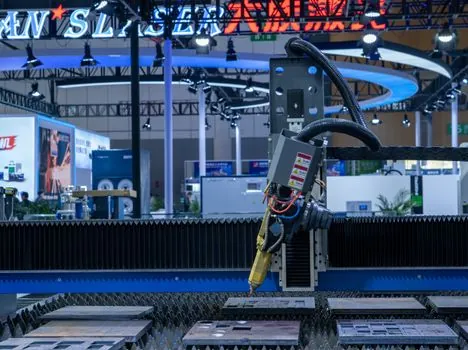
Trackable signals: ceramic feedstock suppliers expanding in SiC, Si3N4, and cermet lines indicate where high-temperature tooling demand is moving [S1]; carbide CNC-tool suppliers broadening their coating stack (AlTiN, TiSiN, diamond-like carbon) signal moves into hardened-steel and non-ferrous work [S2]; AS9100-certified US custom tool shops continuing to advertise lead time and engineer-led sessions signal a steady aerospace and medical pull [S4].