
Desalination plant quality is gated by membrane element performance, pressure-vessel metallurgy, and an ISO 9001 QMS covering every OEM/ODM production line in the supply chain [S2][S6].
Shandong-based desalination system factories list ultrafiltration, nanofiltration, RO, and ceramic membranes as core SKUs, with EDI modules and full water treatment plants, signaling that a single supplier can deliver the entire separation train under one QMS certificate [S6].
Where ISO 9001 Fits in a Desalination Bill of Materials
ISO 9001 is the baseline quality management certificate shown by Chinese desalination OEMs on their factory profile, paired with OEM/ODM service availability and sample programs, which is the minimum gate for procurement to release an RFQ [S2][S6]. The certificate is necessary but not sufficient: it confirms the QMS exists, not that the membrane rejection rates, salt passage, or pressure-vessel hydrostatic test pressures meet the project specification.
Foundry-grade components entering the same desalination train, for example pump housings and high-pressure RO vessel end caps, follow a parallel quality path: SLÉVÁRNA Nové Město nad Metují produces grey cast iron in grades GG20, GG25, GG30 and ductile iron in grades GGG50, GGG60, with every casting undergoing visual inspection, dimensional measurement, mechanical property testing, and chemical analysis, plus laboratory spectrometric verification [S3]. Buyers sourcing both membranes and pressure-bearing castings should require the same traceability lot number to be carried from the membrane supplier through to the casting supplier, since the desalination plant only performs as a system when each lot is documented end to end.
Membrane Testing, Rejection Rates, and Specification Lockdown
Reverse osmosis element specification is driven by NaCl rejection percentage, permeate flow in m³/day, and test pressure, and the lot must be matched to feedwater salinity, temperature, and recovery target, otherwise the as-built performance drifts from the nameplate [S6].
A buyer who treats the OEM datasheet as a contract, rather than as a marketing summary, will catch drift at the FAT (factory acceptance test) instead of at site commissioning, where rework costs compound. Oracle Process Manufacturing (OPM) Quality Management addresses the same problem in process manufacturing: an item specification is keyed to item grade, and base plus overlay specification functionality lets you refine a series of specs with the same tests but different limits or targets, with test replicates set when a test must run multiple times on the same sample [S4]. For desalination, this maps directly to RO element grading by feedwater class, with overlay specs used for high-recovery or high-TDS variants built on a base spec.
Pressure, Flow, and Analyzer Integration Gates
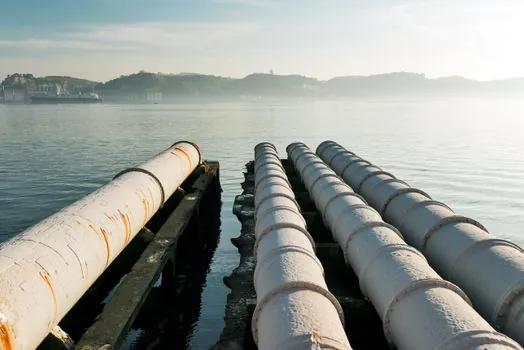
High-pressure RO trains push past 80 bar on seawater units, and the pressure transmitter on the pump discharge is the single instrument that gates pump protection and energy recovery device (ERD) control, so its calibration certificate must travel with the flow meter that validates the permeate and concentrate streams. [S2]
Inlet and permeate air quality monitor channels are typically integrated into the plant SCADA, with quality data logging on the same historian as the flow data, and a quality plan that ties the analyzer calibration interval to the membrane replacement interval, rather than to a calendar, avoids blind periods after a CIP cycle. For procurement, the gate is a single calibration and validation matrix covering pressure, flow, conductivity, and pH, since these four signals are what the RO performance guarantee is calculated against at SAT (site acceptance test).
OEM/ODM Control, Audited Supplier Reports, and the Buyer Side of Quality
Desalination sourcing in practice runs through OEM and ODM contracts, with the distinction directly affecting who owns the design and who owns the inspection records; a decision map for petrochemical buyers outlines how this plays out when the EPC contractor, the membrane supplier, and the local system integrator all touch the same skid [S6]. On Made-in-China.com, factory profiles show management certifications including ISO 9001:2015, ISO 9001, ISO 45001:2018, and ANSI/ESD, with R&D capacity flagged as OEM, ODM, Own Brand, or Others, and sample availability called out separately [S2].
The buyer-side gate is an audited supplier report, which is the document that converts the certificate number into evidence: it lists the actual factory, the production line audited, and the corrective actions still open. Without that, a buyer relying on the certificate alone is buying the QMS claim, not the lot. The wider OEM/ODM decision logic for petrochemical manufacturing tracks the same risk, where design ownership, tooling ownership, and post-shipment warranty support all sit with the chosen contract type, and a reference for the procurement logic is laid out in OEM vs ODM in petrochemical manufacturing [S2].
Third-Party Inspection, FAT, and Sustained Compliance Beyond ISO 9001

FDA's quality-metrics framing is built for pharma but translates cleanly to process plants: "the minimum standard for ensuring that a manufacturer's products are safe, effective and of sufficient quality is compliance with current good manufacturing practice (CGMP) requirements. CGMP compliance alone, however, does not indicate whether a manufacturer is investing in improvements and striving for sustainable compliance," which is the state of having consistent control over manufacturing performance and quality [S1]. For desalination, CGMP maps to the QMS plus the project-specific inspection and test plan (ITP), and sustainable compliance maps to repeat-order consistency, not one-off FAT passes.
Quality metrics across a desalination supply chain serve the same role FDA assigns in pharma: "quality metrics also play an important role in supplier selection and can inform the oversight of contract activities and material suppliers, as well as help determine appropriate monitoring activities to minimize supply chain disruptions" [S1]. A buyer who logs membrane rejection drift, pressure transmitter calibration drift, and casting mechanical-test results per lot is building the data set that lets them drop a supplier before a field failure, rather than after one. High QA's positioning of "one platform from design to delivery" linking internal and supplier quality back to the 2D drawing or 3D model is the digital equivalent of this paper trail, and is the direction mid-tier desalination EPCs are moving [S7].
Failure Modes Buyers Should Plan Around
Three failure modes show up on most post-commissioning punch lists. First, membrane lot-to-lot variation: an RO element specified at 99.7% NaCl rejection will arrive at 99.5% on a different production run, and without a clause that ties acceptance to the test sheet (not the brochure), the buyer pays the recovery penalty in energy cost. Second, casting porosity on high-pressure RO vessel components: a GG25 or GGG60 casting that passes dimensional inspection can still fail a hydrostatic test at 1.5x design pressure, which is why every grey and ductile iron casting at the foundry reference undergoes strict quality control covering visual inspection, dimensional measurements, mechanical property testing, and chemical analysis [S3]. Third, instrument drift across the power quality analyzer and analyzer chain, which masks RO performance loss as a "membrane problem" and triggers an unnecessary element change.
The mitigation for all three is a single quality plan that names the test, the test method, the acceptance criterion, the witness point, and the record keeper, per item, per lot. Anything less is hope, not quality assurance.