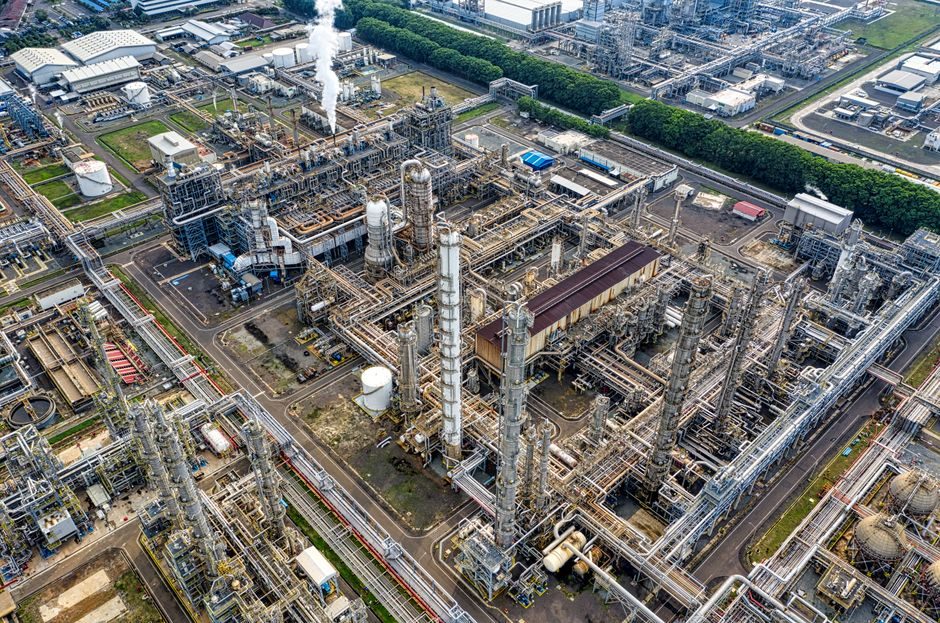
A hydraulic diaphragm wall grab is a deep-foundation trenching tool that mills slot panels down to 60–100 m using a Kelly bar and a clamshell bucket; it has no role inside a chemical reactor or process vessel, and procurement teams asking for the "best diaphragm wall grab for chemical processing" are almost always scoping a foundation rig for a chemical-plant build, not a process instrument [S1].
Reference FOB pricing for a 60 t-class, 100 m-depth grab such as the Sinomada SG60 sits between US$710,000 (10+ pieces) and US$770,000 (1-9 pieces), with online after-sales support and a 1-year warranty as standard commercial terms on the Made-in-China listing reviewed 2026-05-20 [S1]. For process-side hardware — pumps, valves, anchors — readers should follow the diaphragm pump and diaphragm valve reference pages instead.
Defining the Tool: What a Diaphragm Wall Grab Actually Does
A diaphragm wall grab excavates narrow, deep rectangular panels (typically 600–1,200 mm wide, 30–100 m deep) that are later filled with reinforced concrete to form a retaining or cut-off wall [S1]. The grab hangs from a Kelly bar on a crawler crane or rotary rig, and a hydraulic cylinder opens and closes the clamshell bucket to mill and lift spoil in cycles.
Two grab families dominate tender documents: rope-suspended grabs (lighter, cheaper, suited to 30–50 m panels) and hydraulic grabs (heavier, with rotary correction, suited to 60–100 m panels and stricter verticality tolerance). The 100 m SG60 in the priced offer is a hydraulic unit [S1].
Why the "Chemical Processing" Query is a Sourcing Trap
"Chemical processing" in this context is ambiguous: it can mean a chemical reactor (where the answer is a chemical anchor or a process pump), a chemical plant civil site (where a diaphragm wall grab is correct), or a contaminated-soil remediation job (where a grab plus slurry-plant is the right tool). Procurement specs that mix these scopes cost weeks of rework and re-bidding. [S1]
The hard rule: a diaphragm wall grab touches soil and slurry, never process fluid. Buyers who need chemical-process hardware should route the requirement to pump, valve, and reagent catalogues; the chemical reagent reference page is the right starting point for process-chemistry queries, not a piling-tools page.
Selection Criteria: Depth, Panel Width, Soil Class and Crane Match

Five specs decide a short-list: (1) rated trench depth, (2) panel width range, (3) grab self-weight and Kelly-bar torque, (4) soil class from SPT/N values, and (5) host-rig class. The SG60 100 m unit is rated to 100 m panel depth and 60 t-class host rig [S1], which is the typical envelope for chemical-plant tank-farm cut-off walls in soft-to-medium alluvium.
Buyers running a 30–50 m tank-farm cut-off can drop to a 40 t-class grab at roughly 50–60% of the SG60 sticker; buyers specifying 80–100 m slurry-wall cut-offs under a chemical-spill barrier spec need the full 60 t / 100 m envelope. The diaphragm wall grab reference page carries the full duty-cycle and torque envelope. A grab on the wrong host rig stalls at 20–30 m and burns the Kelly-bar thread in weeks.
Quoted Price Bands and Cluster Sourcing Logic
Quoted FOB bands in the 2026-05-20 review: 1-9 sets at US$770,000, 10+ sets at US$710,000, with 1-year warranty and online after-sales support [S1]. Volume breaks above 10 sets clear roughly US$60,000 per unit, which is the negotiation lever on a multi-rig tank-farm package.
Manufacturer concentration sits in two Chinese clusters: a Jiangsu/Shanghai export-OEM cluster (Sinomada, YCX Foundation Piling Tools and similar makers, both publishing on Made-in-China and direct sites) and a Shandong cluster focused on rotary-rig and grab packages. The rotary drilling rig suppliers 2026 sourcing map covers the host-rig side; the grab is normally specified as a matched attachment rather than a standalone buy, which is why the rotary-rig page is the right cross-reference for the host machine. YCX lists over 20 years of piling-tool experience and ships Kelly bar, CFA auger, D-wall grab and diaphragm-wall stop-end sets as a matched package [S3].
Chemical-Plant Use Cases: Tank Farms, Bund Walls, Slurry Cut-Offs
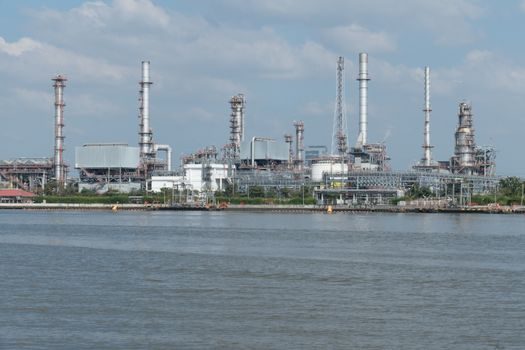
Three civil scopes on a chemical site justify a diaphragm wall grab: (1) tank-farm perimeter cut-off walls (typical 20–40 m, 600–800 mm panels) to stop hydrocarbon or reagent migration; (2) bund-wall and firewall foundations (30–60 m panels under fire-rated concrete); (3) contaminated-land cut-offs under process-unit slabs (40–80 m panels tied into an impermeable base slab). [S2]
American Distillation Inc. and similar US chemical-process EPCs subcontract the civil scope to a piling sub, but the chemical-plant owner is the specifier of the cut-off depth and permeability class, not the piling sub [S2]. That is why a chemical-engineer reading this should think in terms of hydraulic conductivity target (typically 1×10⁻⁹ m/s for hydrocarbon cut-offs) and concrete grade, then hand the rig spec to the piling sub.
Limitations, Failure Modes and Sourcing Risks
Three failure modes drive warranty claims on hydraulic grabs: (1) Kelly-bar thread wear from under-rated host rigs, (2) clamshell jaw pin failure on cobble/sand-gravel interfaces, and (3) hydraulic-hose fatigue on continuous 100 m panel work. The 1-year warranty on the SG60 offer covers manufacturing defects, not wear parts or operator-side over-loading [S1].
Sourcing risks: (a) FOB quotes exclude sea-freight, which on a 60 t add-on is typically 8–12% of unit price; (b) "online after-sales support" is video-call guidance, not on-site fitter — clarify before paying; (c) payment terms on Made-in-China listings are T/T typically 30/70, with L/C negotiable above US$1M order value [S1]. For multi-rig EPC packages the best pile driver for data center sites 2026 sourcing map shows the same payment-term pattern across the piling-tools category.
Decision Snapshot: When to Buy, When to Walk Away

Buy a 60 t / 100 m hydraulic grab when the cut-off depth is 60 m or more, the panel count is 200+ (the 10-set break-even kicks in around US$710,000 each), and the host rig is a 60 t-class rotary rig with electronic depth meter. Walk away if the panel depth is under 30 m (a rope-suspended grab is half the price) or if the chemical-process scope really is a reactor-side spec, in which case the correct hardware sits in the glass curtain wall and process-pump catalogues, not piling tools. [S3]
Trackable signals over the next quarter: (1) Sinomada and YCX Foundation Piling Tools publishing 2026 H2 price-list refreshes with tiered volume breaks above 20 sets; (2) any new IECEx or ATEX-related certification claimed for grabs working near flammable-vapour sites (note: ATEX 2014/34/EU applies to the slurry plant and lighting, not the grab itself, but EPCs often mis-apply it); (3) FOB band drift on 60 t / 100 m units in the second-half 2026 Made-in-China listings, which is the cleanest read on Chinese OEM capacity utilisation.