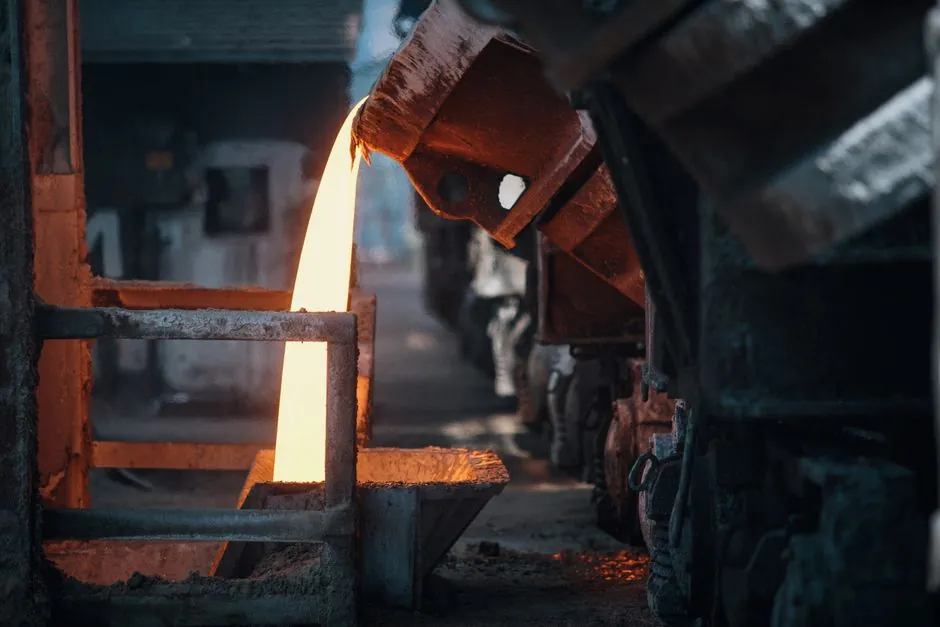
A new die casting program generally requires 14 to 24 weeks from quotation to first delivery, and tooling alone can consume 4 to 12 weeks [S6].
That baseline covers the machine, die, sampling, first-article inspection and production validation, but a fully automated cell can take longer because robotics, machining, washing and material handling add engineering and commissioning work [S3][S6].
What determines the delivery schedule
The delivery clock begins with a defined part rather than a machine order alone. A supplier needs drawings, alloy, wall thickness, draft, tolerance class, cavity count, expected annual volume and shot weight before it can size the equipment [S1].
Tooling is the principal controllable block, normally requiring 4 to 12 weeks, while T1 sampling adds another 1 to 2 weeks [S6]. First-article inspection, process validation, machining, finishing and packaging then sit downstream of that sequence. The same 14–24 week program can therefore absorb different amounts of work depending on the scope of the quote.
Machine capacity is a hard boundary. The cited industrial fleet covers 35 to 500 tons, with 35, 50 and 150-ton hot-chamber presses and 50, 350 and 500-ton cold-chamber presses [S1]. A larger application may require a different supplier or a purpose-built installation, as shown by a 2,000-ton cold-chamber installation [S2].
Tooling, samples and production quantities
A new die casting program typically takes 14 to 24 weeks from quote to first delivery, with tooling consuming 4 to 12 weeks and T1 sampling adding 1 to 2 weeks [S6].
These figures describe different scopes: a sample may use additive manufacturing or prototype tooling, whereas a production cell requires a durable die designed for repeat use.
The correct comparison is price and cycle time against annual volume, not a sample price against a high-volume production price.
Automation changes both scope and timing
An automated die casting cell requires more than a press and a die because its scope may include ladling, casting, quenching, drying, trimming, CNC machining, tumble washing, conveyor transfer, monitoring and packaging [S3]. Each interface adds design, safety, controls and commissioning work that must be scheduled before routine production begins.
Dynacast's automated conventional aluminum cell combined casting, quench, trim, machining, tumble washing, drying and packaging in a continuous flow. The installation reduced the customer's overall cost by 60% and eliminated batch handling, but it was created for a specific project and volume rather than serving as a universal delivery standard [S3].
For procurement, automation should be treated as a separate work package with an approved process flow, control philosophy and operator-loading model. A press delivery can be accepted before the complete downstream cell is productive, so the contract milestone should distinguish mechanical delivery, machine commissioning, first castings, T1 samples and validated production output [S3][S6].
Hot chamber, cold chamber and high-tonnage cells
Hot-chamber and cold-chamber systems are not interchangeable for a project with fixed geometry, alloy and output. Hot-chamber presses at 35, 50 and 150 tons suit zinc alloys, while cold-chamber presses at 50, 350 and 500 tons serve aluminum work requiring controlled metal delivery and pressure [S1]. The cold-chamber die casting machine route is therefore the relevant selection criterion for structural aluminum parts, subject to supplier process confirmation.
High-tonnage applications can require dedicated capital equipment. PHB added a 2,000-ton Bühler die casting machine in a work cell with a fully automated manufacturing process, joining a group of five high-tonnage machines capable of 1,600 to 2,000 tons [S2]. Such installations increase available clamp force and part capability, but the scope includes precision casting, process control and production automation rather than a press drop-in replacement.
Machine selection should compare clamp force, shot weight, cavity count, alloy, wall thickness, tolerance and annual volume before commercial lead time is fixed [S1]. For structural aluminum, an aluminum die casting machine selected only by tonnage is not enough; the complete product flow determines the cell configuration.
Comparison by delivery scope and decision criteria
For a standard die casting program, the 14–24 week quote-to-first-delivery range provides the clearest baseline [S6]. A prototype route can be faster at 10 to 15 days for samples, but it does not provide the same production tooling or volume economics [S9]. A production-tool route requires 4 to 12 weeks for tooling, followed by 1 to 2 weeks for T1 sampling and additional validation work [S6].
An automated cast-to-wash cell has the broadest commissioning scope because it integrates casting, material handling, machining and cleaning, and it delivered a 60% cost reduction for one suitable project and volume [S3]. A high-tonnage cell is selected by clamp-force requirements rather than schedule alone, with the cited 2,000-ton installation representing a major automated aluminum platform [S2].
These options should not be compared on nominal weeks alone. The decision matrix is: sample route for speed, production die for repeatability, automated cell for labor and flow control, and high-tonnage cell for large aluminum components. The supplier's proposed scope must state which milestones and acceptance criteria belong to the quoted 14–24 weeks.
Constraints that can move the delivery date
Unfinished drawings and late design changes are the most direct schedule risks because tooling cannot be released reliably without firm geometry and manufacturing criteria. The required review covers wall thickness, draft, tolerance, cavity count, shot weight and annual volume [S1]. Changes after tooling release can therefore affect both tooling and validation even if the physical press is already available.
Secondary operations add another constraint. A 60% saving reported for an integrated cast-to-wash cell depended on eliminating batching and automating CNC loading, flipping, washing, drying and packaging [S3]. The cell also tracked yield and equipment status electronically. These functions require enough project definition to avoid installing automation around an unstable process.
Quality validation must be included in the schedule. PHB's aluminum operation combines CMM measurement, testing software and manual inspection within an IATF-16949 quality program, while a custom die casting service lists raw-casting tolerance of ±0.1 mm per 25 mm and ±0.05 mm after post-processing [S2][S9]. The requested tolerance, inspection level and machining allowance determine whether first delivery is a sample, approved part or production release.
How to set a defensible delivery commitment
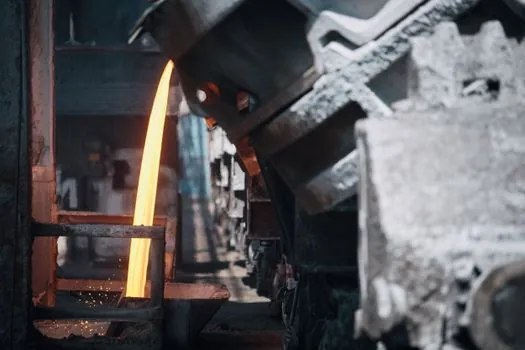
Require the quotation to separate the press, die, automation, safety systems, controls, secondary operations, samples and validation. Then place dates against named milestones rather than promising one undifferentiated handover date. A 14–24 week quote-to-first-delivery baseline should be accepted only with its included scope identified [S6].
Confirm that the proposed machine accepts the part's alloy, shot weight, cavity arrangement and annual volume. The supplier should also document the die material, sample timing, inspection requirements and downstream operations. For cells with substantial robotics, request a functional demonstration of the complete material flow, not separate acceptance of stand-alone machines [S3].
For additional guidance on securing equipment before the project schedule tightens, see Early Equipment Procurement for Fast-Track Industrial Projects. The two trackable controls for this purchase are the approved part specification and the milestone schedule: freeze them before tooling release, then track die completion, T1 samples, first-article approval and cell validation as separate delivery events [S6][S9].