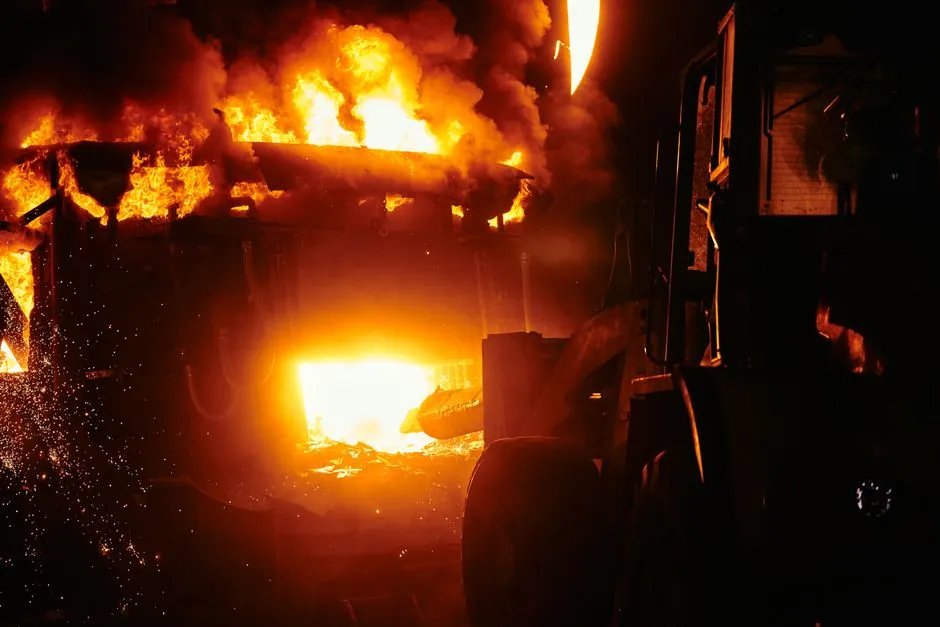
The practical ramp-up window is therefore measured in months rather than the three-week sample lead time: casting resourcing takes weeks at best, while full qualification must follow the print, material specification, acceptance criteria, and documented pilot results [S4].
What Qualified Output Actually Means
Qualified output means the foundry has demonstrated that it can produce repeat castings against the controlled print, specified material, dimensional requirements, and acceptance criteria, not merely complete one acceptable sample [S4]. The sample phase can be rapid, but production release requires first articles and a validated pilot run [S4].
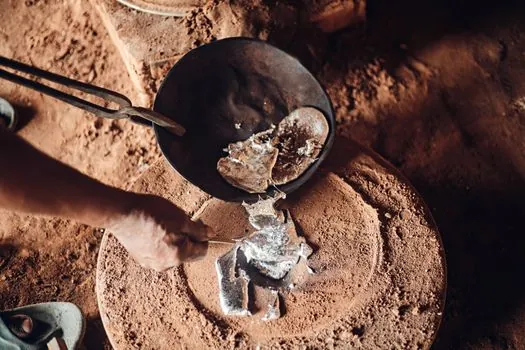
The underlying casting sequence includes alloy selection, furnace melting, mold preparation, pouring, solidification, shakeout, gating and sprue removal, followed by machining or other finishing operations [S3][S5]. Each stage can expose different nonconformities, so a visually acceptable casting is not equivalent to a validated production process.
Foundry engineering also affects the schedule before metal is poured. Solidification modeling can determine whether filters, risers, or chills are required, while 3D prototypes, laser scanning, and simulation can reduce iterations during tooling and process development [S2]. The stated three-week sample benchmark is therefore best treated as a specific early-production data point, not a universal qualification period.
Sample Production: Three Weeks for a New Project
This is a useful planning reference for a straightforward new casting, but it excludes the wider scope of building and qualifying a foundry operation for an ongoing customer program.
The scope of that foundry operation includes melting controls, mold production, pouring practice, solidification behavior, shakeout, finishing, inspection, and material traceability [S3][S5]. Typical process routes use a casting mold to form the component and a furnace system, such as a crucible furnace, to bring the selected alloy to its liquid state before pouring [S5].
The three-week figure also carries an important boundary: a new casting project can have sample parts without a mature high-volume operation. A foundry may possess the equipment and process knowledge to pour a satisfactory sample but still need cycle-time data, repeatability records, inspection plans, and production controls before it can carry an approved part number at volume.
The Qualification Sequence From Sample to Production
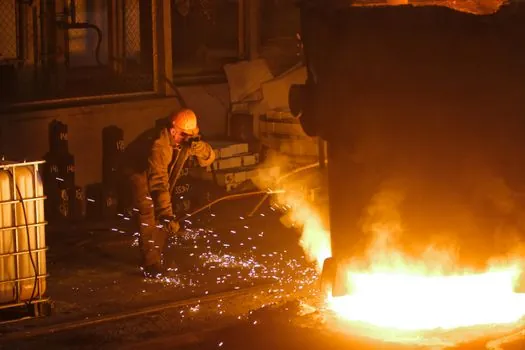
A controlled sequence starts with transferring the pattern, core boxes, and fixtures, then consolidating the current print revision, material specification, acceptance criteria, prior deviations, and known defect history [S4]. This information package prevents the replacement foundry from repeating a process problem that was already documented on the incumbent source.
Skipping those controls can expose the same failure at the end of month three, long after the apparent resourcing problem has been closed [S4].
The process route must also be engineered for the alloy. Aluminum, brass, steel, iron, and bronze have different melting and casting behavior, while mold sand must be selected according to the material and its ability to withstand pouring and cooling [S5]. Post-process operations may include machining for dimensional accuracy, tempering, plating, polishing, or patination [S5].
Comparison of Foundry Entry Routes
Three routes offer different control of ramp-up time. A mature incumbent with available capacity can preserve the established process but may have delivery, quality, or communication problems that caused the resourcing need [S4]. A domestic short-run source can provide bridge quantities while a long-term source builds tooling, but the buyer must qualify that source before production release [S4].
A newly built or newly qualified foundry offers the greatest control over a dedicated process, but it carries the full learning burden: equipment commissioning, process development, tooling, pilot validation, and workforce learning. Resourcing takes weeks at best [S4].
The decision should be based on four criteria: days to bridge supply, confidence in repeatable quality, control of the long-term process, and documentation maturity. A three-week sample schedule is strong on speed, but it does not satisfy repeatability or qualification by itself. A resourcing bridge is strong on continuity, but it does not remove the need to validate the eventual production source [S4].
Where Time Is Lost During Foundry Ramp-Up
The main schedule risks sit in process definition rather than furnace startup alone. A part with a historically difficult pour section remains difficult at the next foundry, so defect history must travel with the print [S4]. That history can require a process change, additional controls, or another pilot lot before release.
Solidification-related defects are another critical path. Shrink conditions can emerge after shakeout, and solidification models can indicate where filters, risers, or chills are needed before the first physical pour [S2]. If the model is absent or incomplete, scrap, rework, and repeated trials can extend qualification well beyond the nominal sample interval.
Tooling condition also affects the schedule. When a casting is moved from a distressed supplier, its pattern, core boxes, and fixtures may have been neglected, and their condition must be confirmed on arrival [S4]. Repair or replacement of damaged tooling can therefore add time that is invisible in a cast-part lead-time estimate.
Who Should Use a Three-Week Planning Assumption?
The three-week sample assumption suits buyers planning early design iterations, soft tooling, or a limited trial where the purpose is geometry and feasibility evaluation rather than production approval [S2]. It can also serve as an internal benchmark for an existing foundry measuring the interval between project release and the first usable castings.
It is not a sound basis for a line-down recovery plan or an unqualified safety-critical release. A new foundry is not the right shortcut for a buyer who needs immediate bridge output because resourcing, tooling transfer, first articles, and pilot validation still require controlled work [S4]. The short sample benchmark also does not cover an existing casting program whose print, alloy, and defect history must be reconciled at the new source.
For production planning, the stronger milestone is validated pilot output, followed by documented production release [S4]. A buyer should also track melt and pour capability, first-article acceptance, pilot-lot results, defect trends, dimensional conformance, and delivery performance as separate readiness gates.
Planning a Credible Ramp-Up Schedule
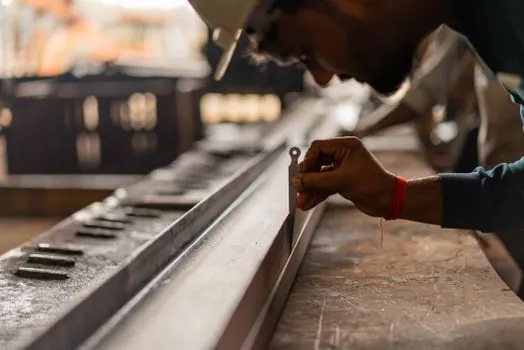
A defensible schedule separates at least five milestones: tooling release, sample casting, first-article submission, pilot-run approval, and production release. The two-week soft-tooling and three-week sample figures provide a fast benchmark for the first two milestones [S2], while resourcing guidance confirms that the downstream qualification stages can extend the overall timeline to several weeks or more [S4].
The next trackable signals are concrete rather than promotional: confirmation that tooling was received and inspected, successful first articles against the controlled print, a validated pilot run, and approval of production documentation [S4]. For a new supplier, a costed should-cost baseline can also be developed before commitment through the buyer’s casting should-cost model.