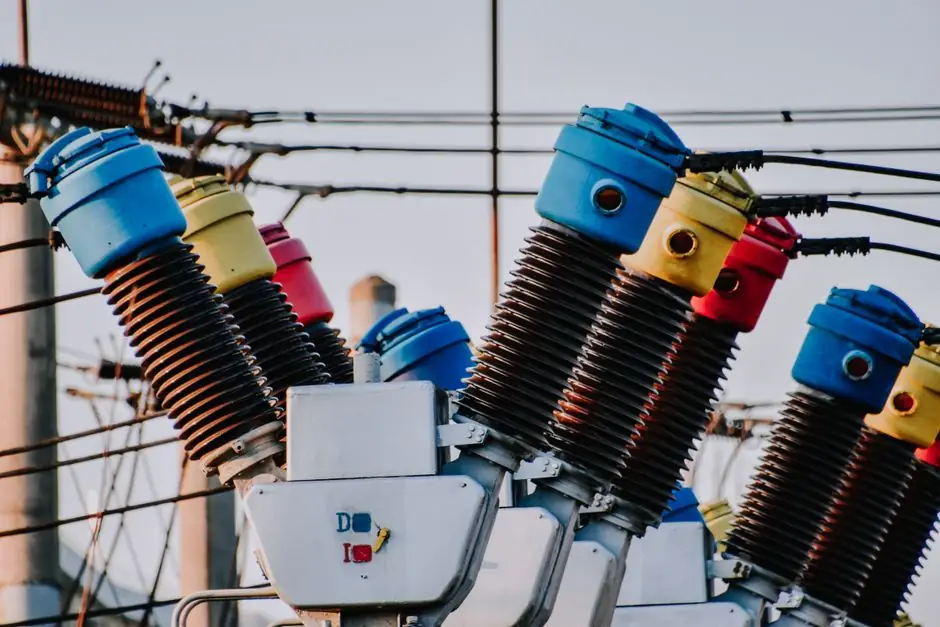
Medium-voltage switchgear lead times in 2026 generally run 52–80 weeks, with 15 kV/27 kV metal-clad equipment taking 60–80 weeks and 38 kV equipment taking 78–104 weeks [S1][S2].
The range covers standard industrial procurement, but customized systems and data-center-grade equipment can extend to 2–3 years, so voltage class, configuration, approvals, and manufacturer backlog determine the committed delivery date [S5][S7].
Delivery ranges by voltage and construction
A procurement plan should separate equipment classes rather than apply one market average. Published 2026 procurement data place medium-voltage switchgear at 52–80 weeks [S2].
Customized or data-center-specification switchgear may take two to three years, while the figures vary with rating, specification, design options, manufacturer, and factory backlog [S3][S5][S7].
Wood Mackenzie’s Q2 2025 survey recorded an average of about 44 weeks for medium-voltage switchgear, but that figure combines products with different manufacturing content and lead times [S3][S5][S6]. For schedule work, the manufacturer’s factory slot and a product-specific quote are more useful than a blended market average.
How the delivery range compares
The main decision is not simply whether to buy new equipment. It is whether the schedule can absorb a standard 52–80-week procurement cycle, a 104–156-week customized cycle, or the shorter path associated with refurbishment [S1][S5][S7].
Standard 15 kV metal-enclosed equipment offers the shortest quoted range at 52–72 weeks, but its suitability depends on common ratings, ways, protection, and drawing approval [S2]. Metal-clad 15 kV/27 kV equipment takes 60–80 weeks, while 38 kV equipment takes 78–104 weeks and should not be treated as interchangeable with 15 kV procurement [S2].
Data-center-specific configurations can approach 104–156 weeks, and one procurement team reported actual quotes of 2–3 years for customized medium-voltage switchgear [S5][S7]. Refurbishment can take weeks or months when installed equipment is electrically serviceable, but it is not a like-for-like substitution for a new switchboard requiring different voltage, fault ratings, protection, or certifications [S5].
Specification approval controls the release date
Delivery does not begin with an unsupported purchase order. Rated values must be frozen and drawings must complete issue, comment, and reissue cycles before procurement is released, making approved drawings a formal schedule gate [S4].
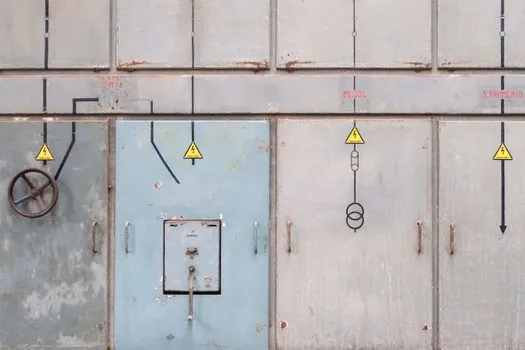
The order must also identify the electrical architecture rather than only the panel dimensions. Relevant selections include 5 kV, 15 kV, 27 kV, or 38 kV class; breaker quantity; busbar rating; protection and relaying; arc-resistant construction; and metering requirements [S2][S3].
For motor-fed industrial systems, the protection and control package should be coordinated with the medium-voltage variable-frequency drive and AC motor requirements. That coordination reduces drawing revisions after long-lead components have entered procurement, where changes can affect cost and schedule.
Critical components and factory stages
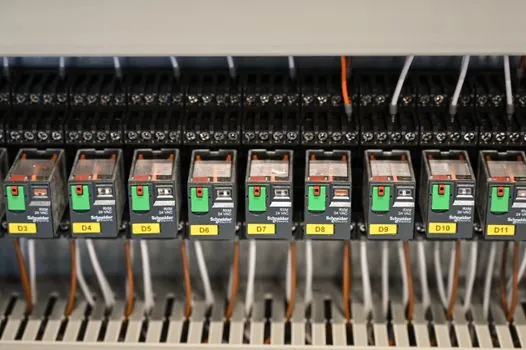
The schedule is controlled by the slowest purchased component, not by the average component. Vacuum circuit breakers, instrument transformers, relays, fuses, and sealed tanks can gate assembly when they arrive later than the major fabricated sections [S4].
Manufacturing and routine testing follow component receipt. Depending on the equipment architecture, these stages involve tank assembly, busbars, switching devices, sealing, gas filling where applicable, and routine testing before shipment [S4].
Documentation must align with the tested configuration. Changes to ratings, interlocks, relay settings, breaker accessories, or nameplate data after testing can trigger additional engineering, documentation, or test work, so design freeze should precede factory commitment rather than follow it.
Delivery date is not energization date
A factory delivery commitment does not include the full route to energization. Freight, customs clearance, site installation, inspection, commissioning, and the regulatory authorization to energize remain separate schedule gates [S4].
For imported equipment, customs and transit must be added after the manufacturing release. For installed systems, contractor labor, testing documentation, and owner approvals can extend beyond the shipping date. A 60-week factory interval should therefore not be represented as a 60-week project energization plan.
The route to energization also depends on the installed motor and control architecture. Where variable-speed drives form part of the medium-voltage power system, the servo drive and servo motor interfaces should be resolved before switchgear drawings are approved, preventing late protection or control changes.
Who should plan around the longest cycle
Owners, EPC contractors, and design teams should plan around the 52–80-week baseline when standard medium-voltage switchgear can be specified without extensive customization. Data-center-specification switchgear can approach a two-to-three-year lead time, while medium-voltage switchgear overall is reported at 52–80 weeks [S2][S7].
The approach is unsuitable for projects that require energization before a long factory cycle ends and have no temporary operating plan. Possible mitigations include staging procurement by line, pre-approving drawings, reserving a factory slot early, or refurbishing serviceable installed equipment where technical requirements permit [S5].
Long-lead procurement should be treated as a construction-control activity rather than a late purchasing task. The long-lead electrical equipment risk controls used by EPC teams can assign a release owner, approval milestone, factory slot, shipping gate, and commissioning gate to the switchgear package.
How to secure a defensible schedule
A defensible delivery commitment requires a product-specific factory quote, not an industry average. The quote should identify the voltage class, construction type, breaker configuration, protection package, ratings, approved drawings, manufacturing release, routine-test completion, and shipping terms [S2][S3].
Manufacturers use reservations to manage factory slots, and published procurement data are based on active slot reservations as well as project orders [S2]. Buyers should obtain written confirmation of what the quoted interval includes, whether it begins at PO, deposit, approved drawings, or manufacturing release, and which party owns freight, customs, site delivery, and commissioning.
Track three signals after order placement: approved drawing release, confirmed factory slot, and the manufacturer’s estimated ship date. Escalation should occur when any one of these dates moves, because preserving the downstream installation and commissioning sequence is more valuable than holding an outdated delivery estimate [S2][S4].