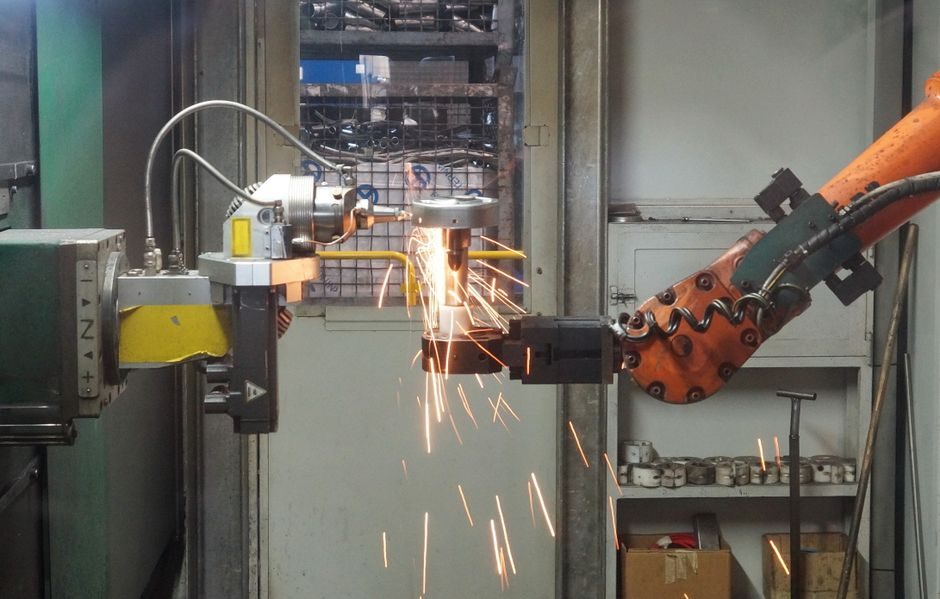
Pump housings, valve bodies, and impellers are dominated by aluminum and zinc die castings produced on cold-chamber and hot-chamber machines with clamping forces spanning 180 t to 8800 t, as catalogued by current Chinese OEM lines [S4]. Aluminum pressure die casting for fluid-handling components typically requires cold-chamber machines because molten aluminum above roughly 660 °C aggressively attacks immersed goosenecks and plungers, while zinc and magnesium pump trims below about 420 °C run cleanly on hot-chamber units [S2].
Selection is driven by three hard numbers: part projected area (cm²) × required specific pressure (MPa) = locking force (t); shot weight (kg) compared with the machine's maximum shot weight at the chosen intensification ratio; and die-open/close stroke versus part draw depth. A 400 t cold-chamber machine is the practical entry point for small pump covers and valve bonnets in ADC12 / A383, while housings above roughly 10 kg of cast aluminum or large DN100+ valve bodies push selection into the 1600-5000 t band [S1][S4].
Alloy-to-Machine Class Mapping for Fluid-Handling Parts
Aluminum die casting in ADC12, A380, and A383 dominates pump and valve body production because the alloys cast cleanly, machine easily, and tolerate potable-water and light chemical service after surface treatment [S6]. The reference mold and casting supplier list confirms aluminum-alloy components and precision CNC machining as the primary product category for fluid-power applications [S3]. For these alloys, cold-chamber die casting is the only viable machine class because molten aluminum's melt temperature sits well above the corrosion threshold of hot-chamber gooseneck steel [S2].
Zinc (Zamak 3, 5, 7) and magnesium (AZ91D) alloys are restricted to hot-chamber machines, where the injection plunger stays submerged in the melt and cycle times drop below one second for small parts under 28 g (1 oz) [S2]. Zinc trim parts such as valve handles, escutcheons, and small pump-end caps are typical hot-chamber work, with cycle times measured in fractions of a second versus two-to-three minutes for large cold-chamber aluminum pours [S2]. Magnesium pump housings for portable and EV-driven pump systems are emerging because magnesium cuts weight by roughly 33% versus aluminum, and the same hot-chamber platform handles both [S1].
Clamping Force, Tonnage, and Projected-Area Sizing
The published Chinese cold-chamber line spans 180 t to 8800 t with energy-saving servo drive, high-rigid machine bodies, and intelligent computer control, which defines the working envelope for any pump or valve body program [S4]. A standard sizing rule is: Locking Force (t) = Projected Area (cm²) × Specific Pressure (MPa) × safety factor, where aluminum pressure die casting typically targets 40-80 MPa of injection pressure and 600-900 cm² of projected area for a mid-size pump housing [S1][S4].
For a 200 mm × 200 mm (≈ 400 cm²) pump cover in A380, the calculation yields roughly 320-640 t of required locking force, placing the part comfortably inside a 400 t cold-chamber machine such as those on offer from current Chinese HPDC builders [S1][S4]. Large multi-cavity valve-body dies, or those with deep rib structures requiring high intensification ratios to fill thin walls (under 3 mm), typically need 1600 t and above; reference aluminum HPDC capacity tops out at 5000 t for very large fluid-handling castings [S1].
Hot-Chamber vs Cold-Chamber Decision Criteria
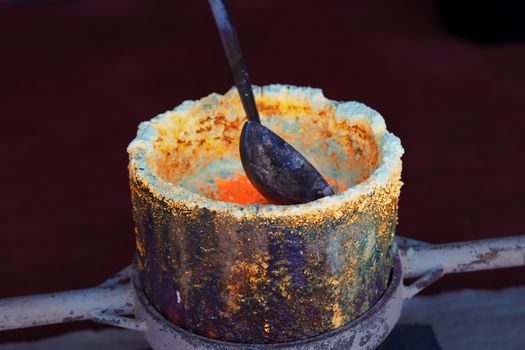
The four selection criteria that decide machine class for pump and valve work are alloy chemistry, melt temperature, part weight, and surface-finish demand. Hot-chamber machines win on cycle time (sub-second for sub-28 g zinc parts) but lose on alloy range; cold-chamber machines win on alloy range (aluminum, brass, magnesium via dedicated pot) but lose on cycle time [S2]. For pump impellers, valve bodies, and pump-end covers in aluminum, only cold-chamber is correct; for zinc handles, lock mechanisms, and small instrument housings, only hot-chamber is correct [S1][S2].
Chinese die-casting service suppliers explicitly list aluminum die casting, zinc die casting, magnesium die casting, low-volume casting, and heat sinks as separate product lines served by different machine classes, which mirrors this alloy-to-machine split [S7]. A typical pump and valve plant therefore runs a mixed cell: one or more 400-1600 t cold-chamber machines for body castings, plus a smaller hot-chamber machine for zinc trim, with CNC milling and metal finishing added downstream [S7].
Real Use Cases in Pump and Valve Production
Aluminum die-cast pump parts are sourced in volume at 100-piece MOQ and 1000-piece-per-month capacity for commodity fluid-handling parts, with foam-bag inner packaging and carton outer packing as the standard export pack-out [S6]. These parts are typically finished by CNC machining on the seal face, bore, and mounting pad after de-casting, and then anodized or powder-coated for corrosion resistance in water and chemical service [S7]. Reference Chinese die-casting suppliers bundle CNC milling, custom machining, and metal finishing as a single project workflow for pump and valve buyers, with rapid prototyping and low-volume casting as entry points before HPDC tooling is committed [S7].
For new high-pressure die casting of pump and valve bodies, the published envelope runs 400 t to 5000 t, with magnesium casting and semi-solid rheocasting available as adjacent process options for thin-wall, high-integrity housings used in EV coolant pumps and inverter coolant modules [S1]. The Haitian HDC-series cold-chamber line, clamping force 180 t to 8800 t with servo drive, is the working reference for plant engineers specifying a replacement or expansion machine, and it covers the entire small-to-large pump housing range [S4].
Limitations, Failure Modes, and Spec Pitfalls
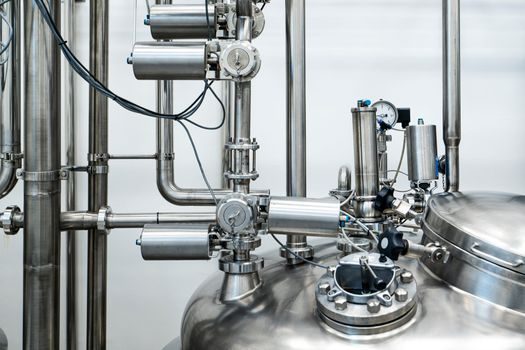
Hot-chamber die casting cannot be used for aluminum, copper, or any alloy above roughly 420 °C melt temperature because the immersed gooseneck and plunger are attacked by the melt, leading to iron pickup in the casting and rapid gooseneck wear [S2]. Cold-chamber machines pay for this alloy range with longer cycle time and a higher minimum shot weight; trying to run very small parts (under 100 g of aluminum) on a large cold-chamber machine wastes melt and produces unstable fills [S2][S4].
For pump and valve parts that must hold pressure, the most common spec failure is under-specifying clamping force, which lets flash form along the die parting line and produces leakage paths that no post-machining can fix; conversely, over-specifying tonnage inflates tooling cost without improving part quality on a properly vented die [S4]. A reliable sizing target is to verify shot weight against the machine's rated shot weight at the chosen intensification ratio, and to verify platen size against the projected area plus runner system, before locking the machine class [S1][S4]. For context on adjacent flow-control selection, the swing-check-valve sizing and water-hammer tradeoff map covers the downstream valve side, while the cold-chamber die casting machine sizing for aerospace alloys map is the upstream reference when the same cold-chamber platform is pushed into higher-grade alloy work.
Standards, Sourcing, and Trackable Signals
Die-casting machine selection for pump and valve production is governed by factory-level standards rather than a single product standard: ISO 8065 for die-casting machine terminology, ASTM B85 for aluminum-alloy die castings, and ASTM B240 for zinc-alloy die castings, with NADCA Product Specification Standards for die-design and process control on the engineering side. Sourcing channels for pump and valve castings remain concentrated on Chinese OEM platforms, with the published HPDC envelope at 400-5000 t for aluminum, magnesium, and semi-solid rheocasting [S1]. Two trackable signals for 2026 are (a) magnesium and semi-solid rheocasting lines being added to Chinese HPDC builders as EV coolant-pump volumes rise, and (b) servo-driven cold-chamber platforms in the 180-8800 t band replacing legacy hydraulic units for energy-cost reasons [S1][S4].
Component reference pages worth checking: die casting machine, aluminum die casting machine, and gravity die casting machine.