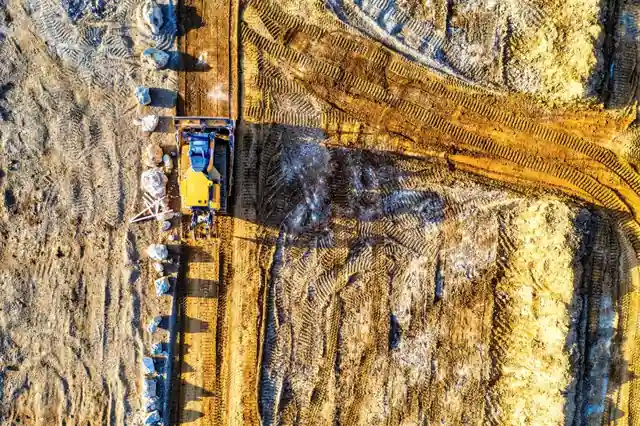
Dynamic compaction applies 10–30-ton weights, while surcharge preloading controls consolidation through fill loading, excess pore pressure, and review of settlement and piezometric monitoring data [S4][S5].
The methods solve different problems: compaction restructures loose granular material, whereas preloading accelerates consolidation of saturated soft clay and controls long-term settlement [S1][S2][S3].
Method Selection by Ground Type
Dynamic compaction is effective where loose soils, variable fills, granular soils, rubble fills, or landfills contain voids that can collapse under high-energy impacts. The equipment typically drops steel weights of 10–30 tons, followed by primary passes and a surface ironing pass [S4].
Surcharge preloading is intended for saturated soft ground where added pressure raises pore-water pressure and consolidation proceeds as excess pressure dissipates. A reviewed preloading overview describes preliminary surface compaction or small-energy dynamic compaction as a way to generate excess pore-water pressure before the main treatment [S2][S3].
The decisive choice is therefore not energy alone. Dynamic compaction favors loose, permeable or variable fill; preloading favors soft cohesive soils with sufficient low-permeability behavior and a practical drainage path [S1][S2].
Dynamic Compaction Criteria and Energy
Dynamic compaction should be selected when the required improvement can be achieved by particle rearrangement and void collapse without relying primarily on slow consolidation. The documented field range is 10–30-ton drop weights [S4].
Treatment depth, drop pattern, number of passes, and applied energy must be established after assessing soil conditions, groundwater, fill variability, and site geometry. Field testing and settlement measurements are used to verify treatment performance, and multiple phases may include primary energy passes plus an upper-layer ironing pass [S4].
The dynamic compactor is a poor default for a deep, saturated clay deposit whose strength gain depends on consolidation and drainage. It is a stronger fit for a large, loose fill area where densification can improve bearing capacity without importing substantial replacement material [S4].
Surcharge Preloading and Release Control
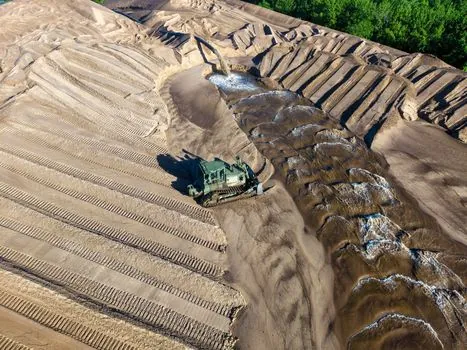
Preloading uses temporary fill to over-consolidate soft soil and reduce long-term creep settlement. In the Gerringong Upgrade example, soft soils extended up to 10 m depth, and preload and surcharge were adopted to meet stringent total and differential settlement criteria [S5].
The release process is controlled, not time-based by assumption. Instrumentation includes fill-settlement history and piezometric data, which are back-analysed against numerical predictions by adjusting geotechnical parameters and construction sequence. Preload release involves review of instrumentation and monitoring data, including fill-settlement history and piezometric data, with back-analysis matching field measurements to numerical predictions [S5].
For saturated clay, excess pore pressure must dissipate for effective stress and volume to change. Because clay has relatively low permeability, preloading can take substantial time, and drainage provisions or vertical drains may be needed where the field programme requires accelerated consolidation [S2][S3][S5].
Side-by-Side Decision Matrix
Dynamic compaction and preloading should be compared by soil type, treatment mechanism, programme control, and verification. Dynamic compaction restructures loose granular or fill ground through 10–30-ton drops, while preloading compresses saturated soft soil under temporary surcharge and controls release through settlement and piezometric monitoring [S4][S5].
On capital logistics, dynamic compaction can reduce material import because it densifies existing ground, whereas preloading inherently requires temporary surcharge material, staged filling, monitoring, and later removal [S4][S5]. On schedule exposure, compaction can produce rapid densification during the work, while preloading duration is controlled partly by consolidation and creep behavior [S4][S5].
On settlement risk, preloading directly targets long-term settlement and creep. Dynamic compaction is strongest where collapse of voids, rather than a slow reduction in excess pore pressure, governs bearing performance. Neither method should be selected from soil name alone; groundwater, permeability, fill variability, treatment depth, and acceptance criteria must be tested [S2][S4][S5].
Use Cases, Limits, and Failure Modes
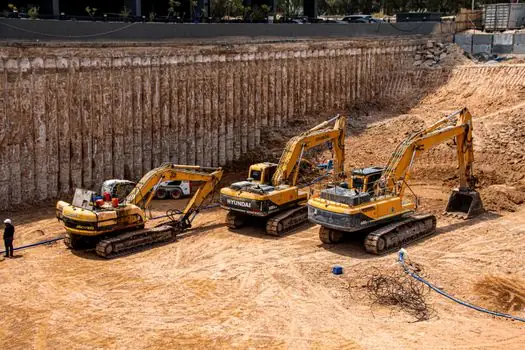
Dynamic compaction fits large industrial, warehouse, and transport sites over loose, variable, or uncontrolled fill. It is less suitable where dense competent strata limit energy penetration, where the deposit is predominantly cohesive and drainage-controlled, or where impacts create unacceptable ground vibration near sensitive assets [S4].
Preloading fits embankments, platforms, and development sites over saturated soft clay where settlement and creep criteria are explicit. Its main constraints are the volume of surcharge, disposal after treatment, monitoring duration, and the risk of adding load faster than pore pressure dissipates [S2][S5].
A hybrid is defensible when preliminary low-energy compaction creates excess pore pressure and surcharge then sustains the consolidation load. The preloading literature specifically describes surface compaction or small-energy dynamic compaction before a fuller preload programme, rather than treating the methods as mutually exclusive [S2][S3].
Verification and Acceptance
Acceptance for preloading must combine field measurements with calibrated analysis. Settlement history and piezometric data are used to back-analyse the model, after which the calibrated model predicts long-term settlement before surcharge release [S5].
For dynamic compaction, the verification programme is site-specific and may include field density or penetration testing, settlement observations, and confirmation of the treated profile. The treatment plan should define drop weights of 10–30 tons, drop heights of 30–80 ft, grid geometry, primary passes, ironing passes, and performance criteria before execution [S4].
Specification decisions should record soil profile, groundwater condition, treatment objective, depth of influence, energy program, drainage assumptions, monitoring method, and release or acceptance criteria. For coastal reclaimed sites, the interaction between fill type, groundwater, and energy pattern warrants a separate dynamic compaction selection guide.
Procurement Recommendation
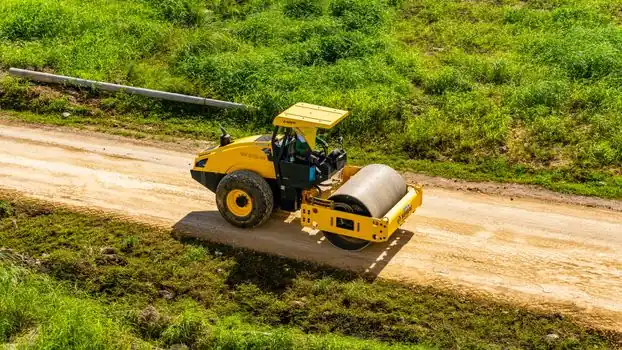
Specify dynamic compaction for loose granular or variable fill where rapid densification and reduced material import drive the decision. Specify surcharge preloading for saturated cohesive ground where long-term settlement and creep must be demonstrated before construction proceeds. Use a combined method only when preliminary compaction, sustained surcharge, and pore-pressure dissipation are designed as one staged operation [S2][S3][S4].
Before tender, obtain measured soil layers, groundwater data, settlement targets, and drainage assumptions. Track dynamic compaction energy and acceptance-test results, or preload fill history and piezometric response, as the primary record showing whether the selected method achieved its design intent [S4][S5].