Electrical-installation contractors running conduit duct banks, transformer-pad reinforcement, and grounding-rod cages most often need an electric rebar bender rated for 10-42 mm bar diameter, matching the TAEYEON B&C capacity band stocked by regional distributors such as CNB Machinery and Steel Corporation in the Philippines [S2]. That 10-42 mm window covers the common Grade 40 / Grade 60 (ASTM A615) and Grade 500B (BS 4449) rebar sizes typically called out in substation civil drawings and switchgear foundation schedules.
Selecting the wrong class of bender shows up fast on site: undersized machines stall on the first 32 mm bend, overpowered three-phase units trip portable generators, and the wrong bend-pin radius cracks the bar. Treat the bender as part of the rebar bender toolchain, sized to the heaviest bar in the rebar schedule, with a documented minimum bend radius equal to roughly 3-4 bar diameters for Grade 60 / 500B and 5-6 bar diameters for Grade 75 / 500C.
Match machine class to bar grade, diameter, and bend radius
The first gate is the heaviest single bar in the drawing set, expressed in both diameter and steel grade. Electric bar benders stocked in the typical APAC distributor channel cover 10 mm up to 42 mm diameter rebar, with the flagship single-head electric models such as the TYB-HD42D rated at the top of that band [S2]. For a duct-bank or transformer-pad project that rarely exceeds 25 mm diameter, a 25-32 mm class machine is the right fit; for pile-cap or substation civil work at 32-40 mm, step up to the 42 mm class.
Minimum inside bend radius (MBR) is the second gate, and it is grade-dependent, not diameter-dependent. Grade 60 (ASTM A615) and Grade 500B (BS 4449) rebar is routinely bent at 3d-4d for stirrups and ties, while Grade 75 and Grade 500C require 5d-6d. A bender specified only by diameter will still crack higher-grade bar at tight radii because the supplied bend pin is too small. Replace or upsize the bend pin to match the project MBR before ordering.
Power class, voltage, and generator compatibility
Portable electric benders in the 10-32 mm band typically run on single-phase 220-240 V, 50/60 Hz at roughly 1.5-3.0 kW, drawing 8-15 A under peak load; 32-42 mm machines more often require three-phase 380-415 V at 3-5 kW. Site power drives this choice. A new commercial electrical-room build with 380 V three-phase available should run a three-phase 42 mm-class bender to keep the bigger bends at rated cycle time; a remote grounding-rod-cage job on a temporary panel should default to a 220 V single-phase 32 mm-class unit so a 5 kVA portable generator can sustain it without voltage drop tripping the thermal overload. [S2]
Duty cycle is the hidden spec. Continuous-bend machines are rated for hours of operation at full load; intermittent-duty machines quote a maximum bends-per-hour figure that drops sharply above 28 mm bar. For a duct-bank crew laying 200+ stirrups per day, a continuous-duty three-phase unit is the only viable pick; for a one-off transformer pad, an intermittent-duty 25 mm machine is fine.
Cutting, coupling, and integration with the rebar workflow
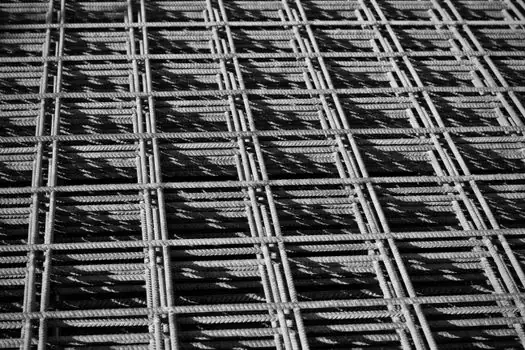
Most modern electric benders are paired with electric bar cutters in the same 10-42 mm capacity band, and buying them matched matters for fit-up on site [S2]. Mix-and-match between a 32 mm-class bender and a 42 mm-class cutter is workable, but the operator will hit a bottleneck every time the cut length needs to drop into a tight radius bend on the larger machine.
For electrical-installation projects that use mechanical couplers at splice locations (common in substation pile caps and core-wall reinforcement), the bender must produce a clean, non-ovalled bend at the bar end. Headed-bar and mechanical-coupler applications reject rebar with dog-legs or surface cracking because the coupler cannot seat. A machine with a hydraulic clamping head and a CNC angle stop is worth the spend on these jobs over a manual pin-stop mechanical unit. For lighter interior conduit and slab work, capacity-versus-bend-angle trade-offs in the 10-25 mm class are mapped in rebar bender selection for interior finishing, which is a useful cross-reference if the same crew also runs small-diameter trim bars.
On-site acceptance test and failure modes
Acceptance-test any rented or newly delivered electric rebar bender before it leaves the unloading area. The three checks: (1) bend a sample bar of the heaviest project diameter to the project MBR and measure for cracks, ovalling greater than 5% of nominal diameter, and spring-back angle; (2) time 10 consecutive bends at that diameter against the manufacturer's rated cycle (a 20% slowdown indicates worn hydraulic seals or a weak motor); (3) verify thermal cutoff by running rated cycle for 30 minutes and confirming the housing temperature stays within the nameplate envelope. [S2]
Common field failures and their corrective action: oil leakage from the hydraulic cylinder (replace seal kit, do not top up with the wrong grade of hydraulic oil), motor stall on the first bend (verify supply voltage under load, not just open-circuit), inconsistent bend angle (recalibrate the angle-stop encoder, then check the limit switch). Replace, do not repair, any bender that shows hairline cracks in the bending head casting or any cylinder with scored piston rods. Demolition crews running 32-42 mm bar at high cycle counts hit a different failure distribution covered in rebar bender picks for demolition crews.
Standards, sourcing, and spare-parts discipline
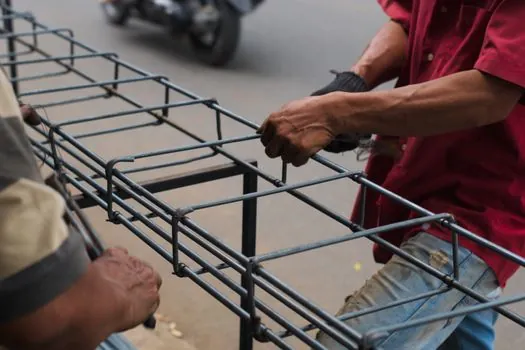
Bar grade drives the bend radius rule, and the bender itself is a piece of plant equipment rather than a certified safety-critical device. For U.S. work, ASTM A615 Grade 60 is the default for substation foundations and duct-bank rebar; for EU and APAC projects, BS 4449 Grade 500B or equivalent national mirror standards apply, with tighter bend-radius rules for Grade 500C. For grounding-rod-cage rebar that doubles as the rebar structural cage plus the earth-electrode tie, follow the project earthing drawing rather than substituting a lower grade. [S3]
Sourcing discipline matters more than brand on this category. A regional distributor that stocks the full 10-42 mm range plus spare parts and offers a documented repair turnaround is a lower total-cost pick than a cheaper machine with no local spares. TAEYEON B&C electric bar benders distributed by CNB in the Philippines, for example, are positioned around ready-on-hand inventory and same-day spare-part dispatch, with a flagship 42 mm-class unit (TYB-HD42D) held in warehouse [S2]. Whitacre Rebar in the U.S. takes a different angle, acting as a single-source rebar contractor that bundles estimating, detailing, fabrication, placing, and pre-tie for schedule-critical commercial work, so the contractor specifies the bender output rather than running the machine themselves [S3].
What the bender does not solve: electrical-side risks
A rebar bender does not address the electrical-safety side of an installation. Insulation monitoring, residual current monitoring, and IT-system grounding on the LV side are separate disciplines covered under LV electrical and electrical measurement, and Bender's own product range for medical, marine, and renewable-energy sites focuses on insulation-fault location, residual current monitoring, and power-quality relays rather than mechanical bar preparation [S1]. For hazardous-area substations, the explosion-proof electrical enclosure specification runs in parallel with the civil rebar package, not downstream of it.
Track these signals before placing the next bender order: (a) whether the project specification tightens the bend-radius rule to 5d for any Grade 500B bar above 32 mm, which would force a re-spec of the bend pin on a 42 mm-class machine; (b) whether the site temporary power panel will be single-phase 220 V or three-phase 380 V, which locks in the motor class; (c) whether the bar schedule includes headed-bar or mechanical-coupler splices, which disqualifies entry-level pin-stop benders. A short cross-check of these three points against the machine's nameplate avoids the most common change-order on electrical-installation civil packages.