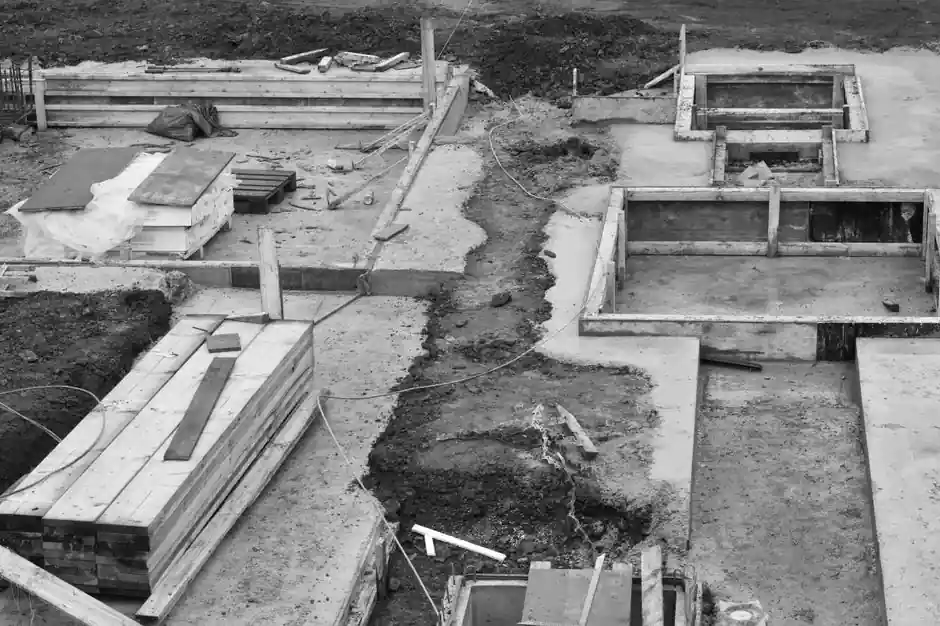
Demolition work inverts the usual rebar-bender buying logic. A crew breaking out a bridge deck, a high-rise column stub, or an industrial slab needs a machine that both bends salvaged bar (D10-D32, ~10-32 mm) and shears exposed rebar fast enough to keep a hydraulic breaker or demolition hammer fed without idle time. PROSPER (Hangzhou) Technology Co., Ltd. lists portable electric rebar benders, desktop benders, and pipe benders side-by-side with hydraulic rescue tools and hydraulic demolition tools on its Hangzhou product tree [S2]. The cross-listing is deliberate: demolition buyers shop the same supplier for cutters, combi tools, and bar benders because the duty cycles overlap.
Three Chinese suppliers refreshed their made-in-china storefronts between 2026-07-20 and 2026-08-09: Qixing Engineering Machinery (Lanxi, Zhejiang) for hydraulic pipe benders and bar straightener-cutters [S1], Prosper Hangzhou for the demolition-and-rescue crossover catalog with peak-season lead time of 1-3 months and off-season under 15 workdays [S2], and Shuanglong Machinery (rebar bending, cutting, and straightening lines) [S3]. CNB Machinery and Steel Corporation in the Philippines publicly positions itself as the #1 rebar cutter and bender supplier on its 2026 storefront, distributing Shuanglong-built equipment into the Southeast Asian demolition and rebar-fabrication market [S4].
What "rebar bender for demolition" actually means in 2026
Demolition-spec benders are selected on four hard numbers: single-bar capacity (mm), bend angle range (typically 0-180 degrees), cut-cycle time (seconds per cut at rated diameter), and power class (manual, 220 V single-phase electric, 380 V three-phase, or cordless 18-80 V battery). Prosper Hangzhou's handheld hydraulic rescue combi tool spec sheet, indexed 2026-08-04, cuts 22 mm rebar in the field, matching the upper end of a typical D22 (HRB400) demolition bar [S2]. For yard processing of recovered bar, a 32 mm or 42 mm electric bender covers the residual scrap stream from a demolished reinforced-concrete column.
Three categories are commonly specced: portable electric cordless benders (D10-D16, 1.5-2.5 kW-class brushless, 8-14 kg), bench-mount three-phase electric benders (D10-D32, 2.2-4 kW, 100-200 kg), and hydraulic rescue/demolition combi tools (cut 16-22 mm rebar + spreader jaw, 12-25 kg, battery or 220 V). The third category is the one demolition crews actually carry to the slab edge; the second stays at the scrap yard and processes rebar salvaged from the cut. Prosper Hangzhou lists the categories separately under "Construction Tool, Portable Rebar Bender, Desktop Rebar Bender, Pipe Bender, Portable Rebar Cutter" [S2].
Selection criteria: bend vs cut duty cycle
On a bridge-deck or shear-wall demolition, the machine's cutting cycle dominates. A crew that can shear 30 cuts per hour at D20 keeps a 1.5 t class demolition hammer cycling without back-pressure; the same crew typically bends fewer than 5 salvaged bars per shift. That ratio flips in a structural-steel yard where recovered bar is sorted and re-bent for resale into rebar coupler assemblies. For site work, spec a hydraulic combi tool with at minimum 22 mm shear capacity and a cycle under 4 s; for yard work, spec a 32 mm+ three-phase bender with 0-180 degree angle range and repeatable angle stops. [S3]
Power-class trade-off: cordless 18-80 V battery tools give the crew mobility on a scaffold or mezzanine but cap bar size near D16-D20. Single-phase 220 V portable benders reach D25-D32 with 2.2-3 kW motors at the cost of a generator on remote sites. Three-phase 380 V bench models pass D42 at 4 kW, the largest single-bar rebar commonly recovered from a demolished column. The PROSPER Hangzhou catalog explicitly bridges these classes, listing 220 V single-phase and 380 V three-phase configurations in the same product family [S2].
Who this gear is for, and who it is not for
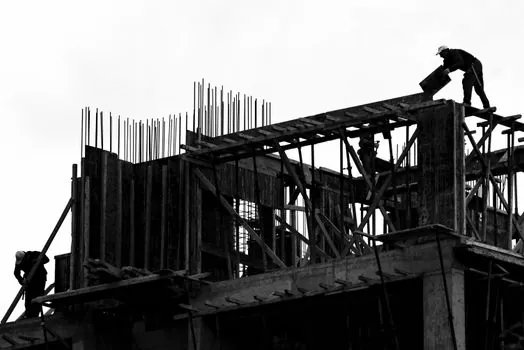
It is FOR: structural demolition contractors cutting exposed rebar at the slab edge, salvage yards processing recovered bar for resale, bridge-deck and pier demolition crews, and fire-and-rescue teams that need a combi cut-spread tool. Prosper Hangzhou's product tree is built around that exact buyer mix, with hydraulic rescue tools, fire-fighting equipment, and vehicle-demolition equipment listed alongside portable rebar benders [S2]. It is NOT for: a bar bender or fabricator producing new rebar cages on a greenfield pour, where a CNC multi-head bender with PLC angle control and a D10-D50 continuous range is the correct pick. Demolition-spec machines trade precision angle stops and continuous-duty cycles for portability, dust tolerance, and fast shear speed; the wrong choice shows up as bent angle creep on a long fabrication run.
Comparison: three demolition-duty classes
For decision-making, line the three classes against four criteria: bar capacity (mm), cut cycle (s per cut at rated diameter), weight (kg), and typical power source. Class A, portable cordless combi tool, delivers D16-D22 at 2-4 s/cut, weighs 8-15 kg, and runs on 18-80 V Li-ion or 220 V mains, suiting a crew member who climbs the slab. Class B, single-phase portable electric bender-cutter, delivers D10-D32 at 3-6 s/cut, weighs 35-80 kg, runs on 220 V / 1.5-3 kW, and is the workhorse on a deck or yard pad. Class C, three-phase bench bender, delivers D10-D42 at 4-8 s/cut, weighs 100-200 kg, runs on 380 V / 2.2-4 kW, and stays in the salvage yard bending rebar reclaimed from the cut. PROSPER Hangzhou's catalog lists each class under distinct product lines (Portable, Desktop, Construction Tool) on its 2026-08-04 storefront [S2], while Shuanglong's rebar-focused catalog covers the heavier end with bending, cutting, and straightening machines aimed at the rebar-fabrication shop [S3].
Use cases: bridge deck, slab edge, yard recovery
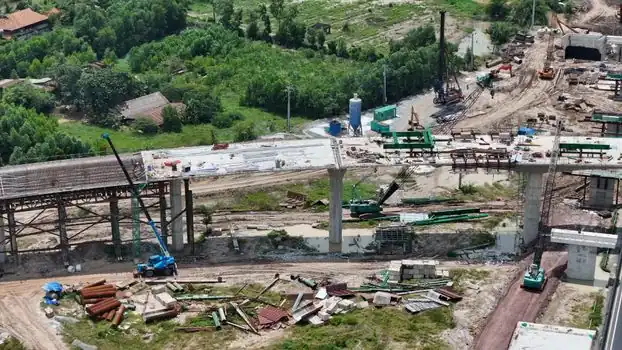
Bridge-deck demolition: a 2-person crew on a hydrodemolition or breaker rig typically pairs a D20-class cordless combi tool with a 1.5 t demolition hammer. The combi tool shears exposed transverse and longitudinal rebar after the concrete is stripped, and the breaker follows. Prosper Hangzhou's "Electro-Hydraulic Emergency Rescue Cutting Expanding Pliers Cut 22mm Rebar" spec is the canonical match for this duty [S2]. Slab-edge and stair-core demolition on a high-rise: a 220 V portable bender-cutter on a generator trolley feeds the saw-and-break sequence; weight in the 35-50 kg range is the practical ceiling for staircase carry. Yard recovery: the demolition contractor's yard runs a 380 V three-phase bender and a rebar straightening machine to convert recovered bent bar into straight stock for resale into rebar coupler assemblies. Shuanglong's rebar bending, cutting, and straightening line covers that exact yard process [S3].
Limitations, failure modes, and sourcing caveats
Three honest failure modes for demolition-spec benders: (1) bend-angle drift after 200+ cycles on a cordless tool, traced to gearbox backlash once the dust seal wears; (2) hydraulic seal failure on combi tools stored outdoors, usually within 18 months on a coastal site; (3) motor burn-out on single-phase portable benders run at maximum bar diameter on a long shift, a common cause of warranty claims. Sourcing caveats specific to the 2026 catalog: the Qixing and Prosper Hangzhou storefronts are made-in-china supplier pages with typical Gold/Diamond member terms, FOB/EXW/CFR/CIF/DDP Incoterms, and T/T or PayPal payment [S1][S2]; peak-season lead time is 1-3 months, off-season under 15 workdays at Prosper [S2]; CNB Machinery in the Philippines distributes into the local market and is positioning itself for the ASEAN demolition and rebar-fabrication segments [S4]. A road-maintenance crew would pick a different gear ratio and a different rebar bender selection profile than a demolition crew, and an interior-finishing crew needs yet another balance, as the interior finishing selection spec map walks through. For buyers also scoping wider site equipment, the truck crane selection guide for urban infrastructure is the natural adjacent read, since the same procurement cycle typically covers cranes, breakers, and bar tools.
Trackable signals for the next buying window: a 2026-Q3 stock refresh at Shuanglong for the D32-D42 three-phase bender line [S3]; a Q4 2026 lead-time update from PROSPER Hangzhou once the off-season window opens (under 15 workdays today, 1-3 months at peak) [S2]; and any new hydraulic combi tool releases above 22 mm capacity from Hangzhou-based suppliers, which would reset the demolition crew's tool-of-trade spec. Cross-reference the rebar bender selection for road maintenance profile before signing a PO, since road crews share the same chassis but a different bend-angle and duty cycle.