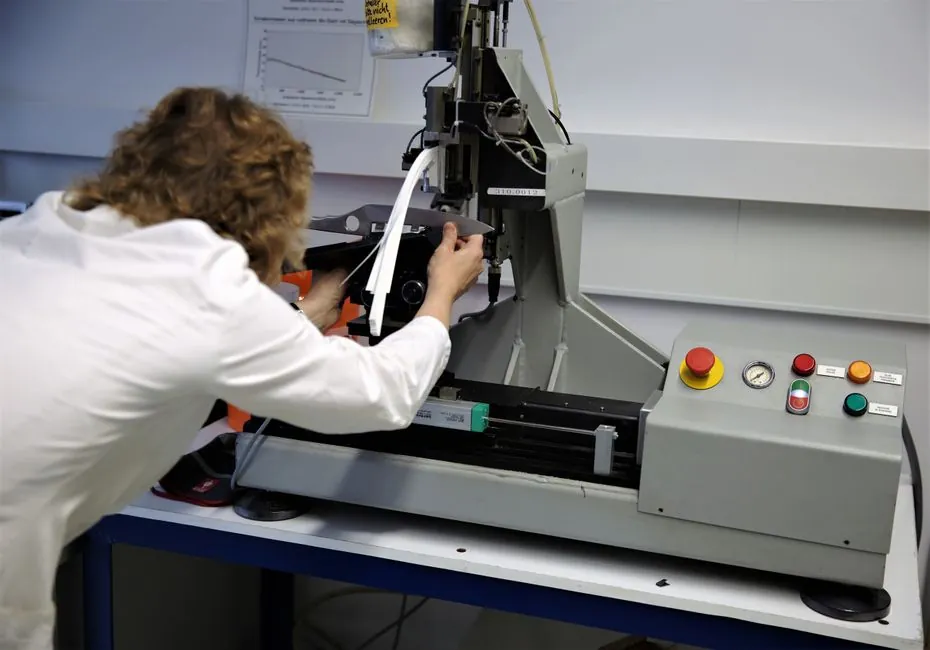
EN 62444:2013, the CENELEC adoption of IEC 62444:2010 (modified), is the reference document for retention and impact testing of metallic and non-metallic cable glands in industrial and hazardous-area electrical installations [S1].
Retention performance is quantified in Table 2 of EN 62444:2013 as a set of pull forces graded by cable diameter, and impact performance is graded by an 8-category system, both applied after a defined mechanical-pre-conditioning sequence [S1][S2].
Scope, supersession, and the EN 62444 / IEC 62444 split
EN 62444:2013 supersedes EN 50262:1998 and its A1/A2 amendments; the latest date by which conflicting national standards had to be withdrawn was 2016-09-23, so any gland currently sold to the European market is tested under the EN 62444 / IEC 62444 regime [S1].
IEC 62444:2010 covers construction and performance, while the EN 62444:2013 edition is the IEC text with CENELEC common modifications prepared by CLC/TC 213 "Cable management systems" [S1]. Both allow glands with metric and NPT threads to be tested, certified, and rated on the same mechanical and electrical attributes [S2].
For explosive-atmosphere use, EN/IEC 62444 is a baseline, not the only applicable document. Glands must additionally comply with IEC 60079-0 (general Ex requirements), IEC 60079-7 (Ex "e" increased safety), and IEC 60079-31 (Ex "t" dust) as relevant to the zone [S2].
Classification axes the standard exposes
EN/IEC 62444 classifies glands across eight axes that a specifier has to declare in writing: material (metallic or non-metallic), mechanical properties, electrical current category (A, B, or C), sealing system, resistance to external influences, cable retention (categories A, B, C, D for non-armoured and armoured constructions), cable anchorage twist behaviour, and impact resistance (categories 1 to 8) [S2].
Because EN/IEC 62444 is a performance standard, several of these axes are graded rather than pass/fail, which is why CMP Products and other gland houses warn that asking only for "compliance to 62444" leaves the actual performance level unstated [S2].
Cable retention and anchorage: Table 2 pull forces
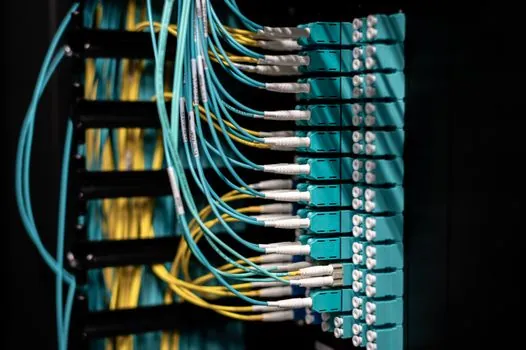
Cable retention and cable anchorage are two different tests: retention measures the force the gland applies to the cable itself, anchorage measures the force needed to pull the cable out of the gland assembly [S2].
Pull-force values are taken from Table 2 of EN 62444:2013, which assigns a force band to each cable-diameter range. The laboratory test plan published by ITC India lists cable retention, anchorage pull, and anchorage twist as separate items under mechanical properties [S6][S8].
Twist testing of the anchorage is mandatory because a gland can resist a strong pull yet still let the cable rotate enough to break the seal, and the EN 62444 twist requirement exists to catch that failure mode [S2][S8].
Impact resistance: the eight categories and the cold-conditioning step
EN 62444:2013 specifies resistance to impact in clause 9.5 and grades it in eight categories, with higher numbers representing higher impact energy, so a category 8 gland is built for harsher mechanical environments than a category 1 gland [S1][S2].
Before the impact blow, samples are placed in a refrigerator for a minimum of 8 hours; the test temperature tolerance is ± 2 °C, and the cold-conditioning step is what makes non-metallic and some metallic glands fail at low temperature if their polymer or seal compound is not properly specified [S7].
For polyamide and other plastic-bodied glands, the conditioning temperature is usually set well below 0 °C to expose cold-brittleness, and the post-impact pass criterion is that the gland still meets its declared IP rating and retention values [S7]. BS EN 62444 is described by Batt Cables' training material as the modern standard that "introduces IP, thermal, and retention standards" with impact resistance "included (basic)" for legacy categories and "included (defined impact)" for the EN 62444 categories [S5].
IP, thermal, and electrical current requirements on top of the mechanical tests
The minimum ingress protection that EN/IEC 62444 will accept on a compliant gland is IP54, and the standard calls out both the sealing system and the resistance-to-external-influences axis so a buyer can demand higher IP codes (e.g. IP66 for outdoor or wash-down use) on top of the baseline [S2][S5].
Electrical current carrying capacity is one of the classification axes and is graded A, B, or C; the value declared by the manufacturer must come from the test defined in 10.3.2 of EN 62444:2013, which is the earth-continuity/bonding current check for armoured cable terminations [S1][S2].
Thermal endurance and corrosion resistance are also tested under the standard. Clause 12.2 covers resistance to corrosion, and thermal cycling is normally run as a separate environmental check to make sure the seal and body expand and contract together without losing IP [S1][S4].
Who should and should not specify only EN 62444
EN/IEC 62444 is the right baseline for: industrial and commercial switchgear builders, panel shops specifying glands for non-hazardous enclosures, EPCs building out chemical, oil and gas, and water-treatment plants, and any OEM selling enclosures into the European market after 2016-09-23 [S1][S2].
It is not enough on its own when: (a) the gland goes into a Zone 1 or Zone 21 area, where IEC 60079-0/-7/-31 are mandatory on top of 62444 [S2]; (b) the installation sees severe vibration, EMC exposure, salt spray, dynamic flexing, or enhanced pull-out, in which case CMP Products and ITC India both list EMC, vibration, salt-water spray, dynamic repetition flexion, and enhanced cable pull-out as common "over and above 62444" extras [S2][S8].
It is also the wrong document to reach for when the equipment is not a cable gland at all. A buyer who needs gland packing for a valve stem, an impact drill accessory, or a construction-machinery tie-down should use the cable gland reference for entry hardware, gland packing for rotating or reciprocating sealing, and construction machinery and equipment for plant-side mounting rather than treating 62444 as a universal spec.
Common lab test plan under EN/IEC 62444

A typical third-party test report against EN/IEC 62444 covers, in this order: mechanical properties, cable retention, cable anchorage pull, cable anchorage twist, impact resistance (with cold conditioning), electrical current (clause 10.3.2), IP verification, thermal endurance, and corrosion (clause 12.2) [S6][S8].
ITC India's published checklist and the GAQM certification syllabus both put torque tests, impact tests, sealing/IP verification, thermal endurance, and environmental condition testing in the same sequence, which lines up with the order in EN 62444:2013's mechanical-properties and external-influences clauses [S4][S6][S8].
Specifying parties should ask for the third-party certificate that names the declared category on each axis, because a gland that is "tested to 62444" without a category number has only met the entry-level bar, not the full category envelope the standard actually allows [S2][S4].
Selection criteria: how to set the category for a real project
For indoor panel-builder work in dry areas, a retention grade in the lower Table 2 pull-force band plus IP54 and a low impact category is usually sufficient; this matches the use case of BW-type glands for SWA/AWA cable with IP2X [S5].
For outdoor or wash-down sites, the spec should be tightened on three axes together: IP66, a mid-to-high impact category from 9.5, and a Table 2 retention band selected for the heaviest cable diameter the gland will see in the installation, which is the configuration of CW, E1W, and CXT type glands [S5][S6].
For hazardous areas, retention and impact numbers are necessary but not sufficient: the gland must also carry the Ex "e" or Ex "t" certificate under IEC 60079-7 or IEC 60079-31, with the EN/IEC 62444 report referenced as the construction baseline [S2].
Comparison table: EN 62444 axes and what each grade tells the buyer
Material (metallic vs non-metallic): metallic gives higher impact survival and better EMC/earth continuity; non-metallic gives corrosion immunity and lighter weight but needs the cold-conditioning pass at low temperature [S2][S7].
IP code: minimum IP54 under the standard, with IP66 commonly declared for outdoor armoured-cable glands (CW/E1W/CXT) and IP2X for dry indoor BW glands [S2][S5].
Impact (clause 9.5, categories 1 to 8): category number rises with absorbed impact energy, with 8 being the most rugged; the test is run after 8 h refrigeration at a tolerance of ± 2 °C [S1][S2][S7].
Retention (Table 2 pull forces, categories A to D): pull force is graded by cable diameter; anchorage twist is a separate test, and both retention and anchorage must be declared, not just one [S1][S2][S8].
Electrical current (A, B, C categories, clause 10.3.2): the declared current grade covers earth-continuity for armoured terminations and must be backed by a 10.3.2 test report, not inferred from the body material [S1][S2].
Limits, failure modes, and common spec mistakes
Impact failure on plastic-bodied glands usually shows up as a cracked body or a displaced seal at the low-temperature end of the conditioning window, which is why the ± 2 °C tolerance and the 8 h minimum dwell are enforced rather than advisory [S7].
Retention failure modes include cable pull-out under Table 2 force, rotation of the cable inside the gland body (caught by the anchorage twist test), and loss of seal after torque relaxation on the locknut, each addressed by a different sub-clause of EN 62444:2013 [S1][S2][S8].
A common spec mistake is treating "IEC 62444" as a single yes/no compliance flag rather than a multi-axis category system, which leaves the project exposed to the lowest-category gland on the market and contradicts the standard's own classification logic [S2].
Sourcing, third-party certificates, and what to ask the supplier
Acceptable evidence is a third-party test report or certificate that lists, for each axis in EN 62444:2013, the declared category: material, IP code, Table 2 pull-force band, retention category A to D, impact category 1 to 8, electrical current category A/B/C, and corrosion class per clause 12.2 [S1][S2][S4].
For Ex applications, the certificate pack must also reference IEC 60079-0, IEC 60079-7 (Ex "e") and/or IEC 60079-31 (Ex "t"), with the EN/IEC 62444 report cross-listed as the construction baseline [S2].
Trackable signals to watch on supplier declarations issued after 2026-09-26: the declared impact category on the datasheet, the Table 2 pull-force value for the largest cable diameter in the bill of materials, the Ex protection concept, and the IP code, all of which should appear on the same datasheet rather than split across marketing pages.
This topic is covered further in PV module line automation: throughput, operators per GW, and what actually changes.