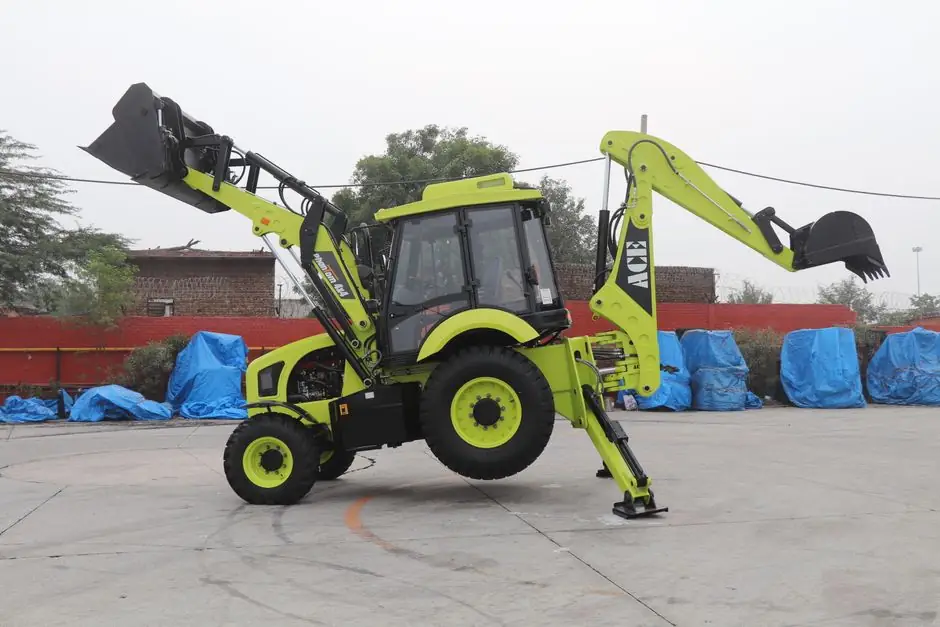
Engine and hydraulic component specifications act as major price levers for 2026 rough-terrain forklifts because higher capacity, stronger frames, larger wheels, heavy-duty masts and more powerful hydraulic systems require heavier-duty components [S1][S3][S8].
These are heavier than standard forklifts designed for level indoor floors, with the cost structure dominated by load rating, lift height, drive configuration, ground clearance, tyre size and the duty cycle on gravel, soil, farms and construction sites [S1][S3].
How Engine and Hydraulics Set the Price Baseline
A rough-terrain forklift generally costs more than a regular forklift because it combines a stronger structure, larger wheels, increased ground clearance and traction hardware with a mast and hydraulic system sized for outdoor work [S1].
Forklift prices depend on lifting capabilities and other factors, with higher-capacity heavy-duty specifications generally involving sturdier construction and larger components.
A forklift combines a front mast, forks, a counterweight and a hydraulic lifting system to move loads that would otherwise be impractical or unsafe to handle manually. Engine and hydraulic component prices therefore cannot be evaluated separately from mast architecture, rated capacity and attachment requirements.
Rough-terrain trucks normally carry a “higher” price level than electric, diesel and standard counterbalanced configurations because the price guide identifies stronger construction and bigger wheels as structural cost drivers [S1]. A procurement model should therefore reserve separate lines for the engine and power-transmission package, pump and hydraulic circuit, lift cylinders and valves, mast, tyres, axles or driveline, frame, attachments, warranty and dealer preparation [S8].
Engine Specification Changes the Purchase Price
Diesel engines suit construction sites, outdoor yards and heavy industrial work because they provide high power, strong torque and long operating time, characteristics that support the heavier rough-terrain configuration [S1][S3].
Engine size is explicitly identified as a factor affecting forklift pricing, alongside equipment type, lift capacity, power source and application requirements [S5][S8]. The price effect is not a universal percentage. It depends on rated capacity, operating hours, environmental conditions and whether the engine package also requires emissions equipment, cooling protection or heavy-duty filtration.
The comparison is not a simple diesel-versus-electric verdict. A rough terrain forklift may require combustion power because of sustained outdoor work, while an electric forklift is structurally different and should not be treated as a cheaper substitute for a machine built around ground clearance, oversized tyres and terrain-rated running gear.
Hydraulic Specification Tracks Lift Demand
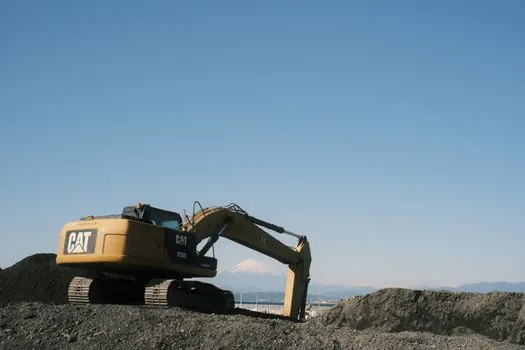
Three hydraulic elements should be separated in a specification-based price comparison: the power unit and pump, control valves and manifolds, and lift cylinders with hoses and seals. The price guide says forklift prices vary with lifting capabilities, power, work environment and other factors, but it does not establish a component-specific price premium.
Attachments create another layer of cost. Rough-terrain vehicles used on farms, timber yards, building sites and infrastructure projects may need application-specific equipment rather than a standard fork and carriage package [S3]. A heavy-capacity forklift is a counterbalanced lift truck rated from about 10 to 85 tons.
For procurement, the hydraulic budget should be tested against maximum rated load, lift height, cycle frequency, attachment operating pressure and the need for filtration or water protection.
Capacity, Chassis and Terrain Hardware Compound Cost
Rough-terrain forklifts generally cost more than regular forklifts because of their sturdy construction and bigger wheels. Rough-terrain forklifts are intended for applications such as construction sites, farms and uneven surfaces.
The pricing chain is cumulative. Forklift prices depend on factors including lifting capabilities, power, work environment, type and other aspects.
Counterweight design matters because the rear counterweight helps prevent forward tipping during lifting, while the mast and forks perform the vertical and horizontal load-handling functions [S3]. Removing or reducing these elements to lower the quote would alter the machine’s designed operating envelope rather than create an economical configuration.
Rough-terrain forklifts are normally classified as construction-site, farm and uneven-surface machines, while standard forklifts serve level indoor environments such as warehouses, factories and distribution centres [S1][S3]. This distinction also explains why an ordinary forklift can look less expensive on a quotation but cost more through unsuitable tyres, inadequate ground clearance, weak mast construction or unscheduled component replacement.
Cost Drivers Ranked by Purchase Impact
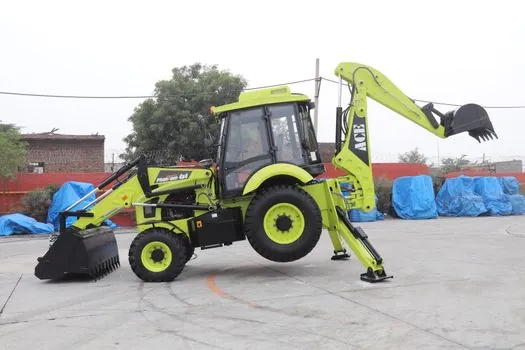
Ranked qualitatively, capacity and lift-system architecture are the first cost drivers because they determine the engine, hydraulics, mast, frame, stability package and structural material quantities [S1]. Terrain hardware ranks next, including large tyres, higher clearance, traction components and the reinforcement needed to withstand uneven surfaces [S1][S3].
Volume tier influences the commercial price because the market includes different manufacturers and configuration levels, with a 2026 electric-forklift guide describing battery chemistry as a major variable within the same capacity class [S2]. The rough-terrain market was estimated at $220 million to $240 million in 2025, with component suppliers holding influence as product complexity increases [S6].
Lead time and certification are also cost drivers because a supplier must account for engine sourcing, hydraulic component availability, frame fabrication, assembly, testing and delivery of a more complex machine. Certification must be handled as a requirement, not folded into a generic markup; applicable local machinery and workplace-safety requirements should be confirmed for the operating jurisdiction and model configuration.
Purchase price is therefore the wrong number to fixate on. Uptime, parts availability, technician response time, fuel or energy consumption, scheduled engine service and hydraulic fluid or seal replacement all influence cost per operating hour over the machine life [S4].
Total Cost of Ownership Changes the Component Decision
A diesel rough-terrain forklift carries fuel, oil, filters, engine service and residual engine-related maintenance in addition to hydraulic and tyre wear. The 2026 comparison identifies diesel counterbalanced forklifts with higher fuel and maintenance cost than electric models, while electric equipment can add battery replacement cost [S3].
Battery pricing demonstrates why power-system costs must be separated from chassis pricing. A standard 3-ton electric counterbalanced forklift can add $3,000 to $6,000 for a lead-acid battery or $8,000 to $20,000 for a lithium-ion battery, plus $1,500 to $5,000 for a compatible charger [S2]. Lead-acid batteries are described as lasting 1,000 to 1,500 charge cycles, or approximately 3 to 5 years, while lithium-ion LFP batteries are described as lasting 2,000 to 3,000 or more cycles, or approximately 7 to 10 years [S2].
These electric-forklift figures are useful as cost-discipline benchmarks rather than direct rough-terrain price quotes. For a combustion-powered rough-terrain machine, calculate fuel per shift, engine service intervals, hydraulic fluid volume, hose and seal replacement, tyre replacement and downtime for each engine and hydraulic specification. For electric alternatives, include battery, charger, charging time, opportunity charging and replacement exposure [S2].
The wider operating-cost framework in Electric Equipment TCO: When Savings Are Real is relevant when an electric platform is technically feasible, but battery savings cannot be assumed to compensate automatically for inadequate terrain capability or limited site charging access.
Procurement Specification That Controls Quote Drift
Require suppliers to quote the engine model, emission configuration, cooling package, transmission or drive arrangement, rated capacity, lift height, mast type, hydraulic pump, lift cylinder, valve package, tyre size, ground clearance, axle or driveline rating, attachments and warranty separately [S5][S8]. This converts a broad machine price into comparable engineering packages.
Five acceptance points prevent quote drift: verify that the engine power output is matched to the rated load and operating hours; match hydraulic cylinder and pump capacity to the specified lift height, load and attachments; confirm tyre and ground-clearance requirements against the actual surface; record the diesel, LPG or electric energy package; and include commissioning, service access, parts availability and operator training in the total offer [S3][S8].
A rough-terrain forklift may carry a higher purchase price than a regular forklift, but that difference buys a specific engineering package: stronger construction, larger wheels, greater clearance, terrain traction and lift capacity suited to outdoor work [S1]. The defensible cost comparison is not engine price against hydraulic price. It is cost per usable operating hour after accounting for fuel or energy, maintenance, tyre and hydraulic wear, downtime, residual value and the cost of replacing insufficient capacity with the next machine up.