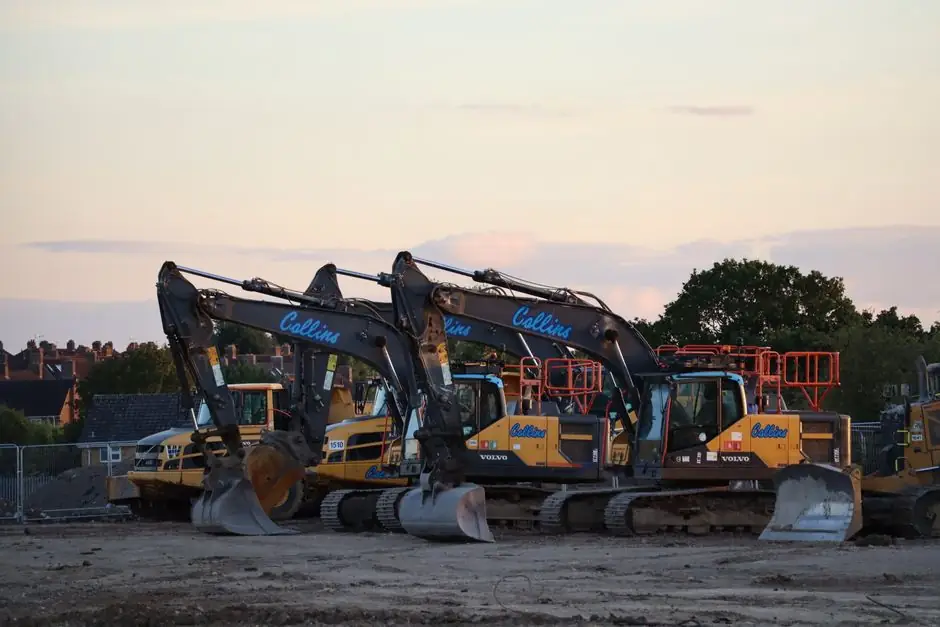
Bucket breakout force and arm crowd force are not interchangeable spec values: SAE J1179 and ISO 6015 measure them at different points on the same linkage, and the bucket number is almost always the larger of the two because of a shorter lever arm from the bucket pivot pin to the tooth tip [S1][S2][S5].
Across the mini-excavator class, published bucket breakout typically lands in the 5–30 kN range while arm crowd force sits in the 4–20 kN range, with the same machine often showing two different numbers depending on which standard is printed on the brochure [S4]. For buyers comparing a compact excavator against a backhoe loader or larger crawler, the more important step is matching the standard, the stick length, and the bucket tip radius before treating any single figure as a like-for-like benchmark.
Two forces, two cylinders, two different jobs
Bucket breakout force is generated by the bucket cylinder during the curl motion, with the bucket rotating toward the cab around the bucket-to-arm pivot pin; because the lever arm from that pin to the tooth tip is short, mechanical advantage is high and the published value is normally the headline number on a brochure [S2][S5]. Arm crowd force, also called stick or dipper force, is generated by the arm cylinder pulling the entire stick toward the machine around the boom-to-arm pivot pin, with the lever arm now running the full length of the stick, so the resulting force is lower but acts through the long working stroke of the cut [S2][S5].
The practical split is consistent across multiple OEM commentary: bucket force is the prying, root-snapping, asphalt-cracking bite at the start of a dig cycle, while arm force is what drags the bucket through material and fills it on a sustained trench or canal cut [S3][S5][S7]. A machine with strong bucket breakout but weak arm crowd will crack hardpan effectively and then stall halfway through filling the bucket, which is the classic stalling symptom operators describe when the geometry is wrong for the soil [S2][S7].
SAE J1179 vs ISO 6015: the number changes with the reference point
SAE J1179 places the digging-force measurement point at the outermost cutting point, normally the tip of the tooth, and it reports the maximum bucket tangential force separately from the maximum arm or dipperstick force [S1]. ISO 6015 places the reference at the cutting edge near the base of the tooth, which sits closer to the bucket pivot pin and therefore produces a numerically higher value for the same physical machine [S1][S2][S5]. This is the most common reason a Japanese-built 3.5-ton mini appears with a 6,000+ lbf bucket number in one brochure and a 5,000-ish number in another: same hydraulics, different reference point on the same lever [S5].
Several OEMs, including Kubota, CAT and Hitachi, publish both SAE and ISO figures on the same data plate so a buyer can convert without guessing, and any spec sheet that lists only one value should be treated as incomplete until the standard is confirmed [S5]. For a contractor who already has a fleet, the cleanest habit is to pick one standard as the internal benchmark and require every new quotation to state which one is being quoted.
Geometry, stick length and coupler losses
Forces on an excavator front end are torque divided by lever arm, and the lever arm is set by geometry rather than by pump pressure alone, so a longer stick trades raw digging power for more reach and dig depth [S1][S8]. A shorter arm increases breakout at the cost of dumping height and reach, and a narrower bucket concentrates the same cylinder force onto a smaller tip radius, which is why high-breakout machines are usually sold with a smaller-than-average bucket in the OEM literature [S2][S4][S8].
Quick couplers, which have become near-universal on compact machines, add 100–200 mm of standoff between the bucket pin and the stick pin, lengthening the load-side lever and dropping effective breakout by a measurable margin compared with a pin-on bucket [S5]. Worn pins, leaking cylinder seals, and low pilot pressure all bleed force before it reaches the teeth, so a healthy 25 kN machine can read as a 19 kN machine in the field if the linkage is neglected [S5].
Spec comparison: how to line up two different brochures
When two spec sheets quote different numbers, the first check is standard, the second is stick length, and the third is bucket tip radius, because changing any one of those variables changes the published value even with identical hydraulics [S1][S5]. A worked example from the Boleo dataset: the 1.8-ton ZEWEIT 2 is published at 8.5 kN arm and 15.5 kN bucket, while the 3.5-ton John Deere 35G reads 25.8 kN arm and 32.7 kN bucket, and a fair comparison requires confirming that both numbers come from the same standard on the same lever reference [S4].
The other comparison trap is OEM marketing tilt: traditional excavator-leaning builders tend to optimise the bucket figure, while compact-loader-leaning builders tend to optimise the arm figure, so two same-class machines can have inverted bucket-to-arm ratios that reflect engineering priorities rather than real capability [S3]. For a backhoe loader vs excavator decision, the same pitfall applies, and the arm-vs-bucket ratio is one of the cleanest signals of where the manufacturer spent the hydraulic budget.
Which force wins, and when
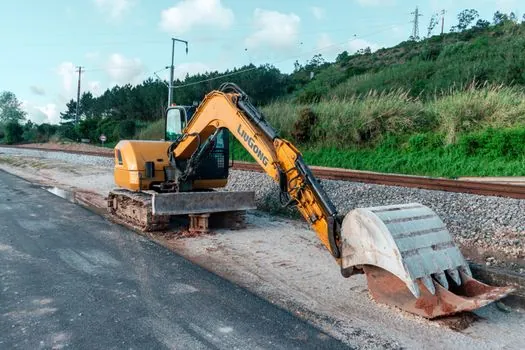
For breaking hardpan, prying roots, snapping small-diameter concrete and starting a dig cycle, bucket breakout is the controlling number and the higher kN rating wins, with a narrow bucket and short stick preferred for maximum tip force [S2][S4][S5]. For trenching, long drag cuts, canal profiling, and any application where the bucket is being pulled through already-fractured material for a sustained stroke, arm crowd force is the controlling number, and a long stick with a wider bucket often out-produces a stubby stick in the same machine [S2][S5][S7].
For mixed urban work where the same machine has to crack a slab in the morning and pull a 200 mm utility trench in the afternoon, balance matters more than peak: a 1.7–2.0 ratio of bucket to arm kN is a common OEM target, and machines far outside that band usually signal a specialist design choice [S3][S4]. Safety-rated equipment decisions should also weigh the relevant EN 16228 drilling and foundation standard when the same excavator is being used with an auger drive, because the crowd force becomes the limiting parameter on the rotary drive.
Failure modes and what kills the number in service
Hydraulic stalling during the curl stroke is the dominant operator-reported failure mode, and it almost always traces to either relief-valve setting being below the published-spec pressure, hot oil thinning below operating viscosity, or a bucket that is too wide for the soil class and is acting as a brake on the cylinder [S2][S5]. Worn teeth, side-cutters missing, and bent bucket lips reduce the effective cutting edge and force the operator to re-position to compensate, which shows up in cycle-time loss long before it shows up in the kN spec [S5].
On the arm side, the failure mode is incomplete bucket fill on long pulls, which points to insufficient arm crowd force relative to the friction between bucket walls and the soil, and the usual fixes are a slightly wider bucket, an extra hydraulic line for a tilting bucket, or downshifting the machine to a class with a more favourable arm-to-bucket ratio [S4][S7]. Both failure modes get worse as machines age, because internal leakage in the boom or arm cylinder bypasses oil that the spec sheet assumes is reaching the piston, and a 15 percent pressure drop at the gauge is enough to drop effective force by a similar margin [S5].
Standards, sourcing and what to ask the dealer
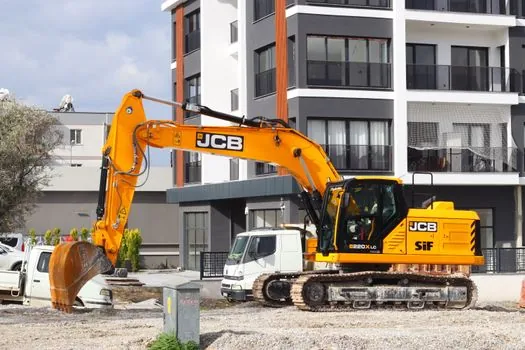
The two governing standards for these forces on hydraulic excavators are SAE J1179 (outermost cutting point, tooth tip) and ISO 6015 (cutting edge near tooth base), and they are the only two that should appear in a credible spec sheet [S1][S2][S5]. SAE J1179 also recognises a separate 'maximum telescoping boom crowd force' for machines such as Gradall or Badger where the digging force is generated by a telescoping boom cylinder acting parallel to the boom, and that definition applies only to true telescoping booms, not to extendable dipper sticks [S1].
When the dealer hands over a quotation, the minimum data to require is the standard (SAE or ISO), the stick length in millimetres, the bucket model and tip radius, the relief-valve setting in bar, and the pilot pressure, and any brochure that lists only a single 'digging force' without the rest of that envelope is a red flag [S1][S5]. For a fleet that already operates a weighing force rated attachment such as a screening bucket, the next step is to confirm the attachment manufacturer publishes a kN requirement at the same reference point as the carrier, otherwise the screening basket will be over- or under-loaded relative to the carrier's published breakout number.
The underlying component specifications are covered under force gauge.