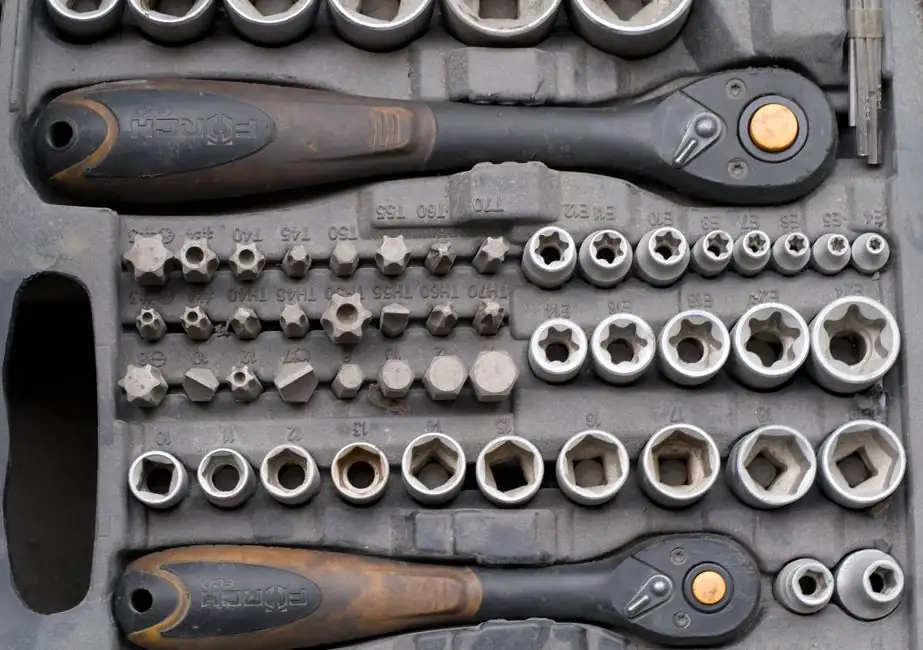
Mechanical expansion anchors (wedge, sleeve, and drop-in styles) are the default post-installed fasteners for attaching equipment, structural steel, and pipe supports to cured concrete slabs and walls in industrial and commercial builds [S1][S5].
Wedge anchors are used for high-load anchoring of machinery, conveyors, and baseplates, sleeve anchors for fixture work in concrete, brick, and block, and drop-in anchors for flush-mount overhead and threaded-rod applications [S1][S7].
Anchor Family Comparison: Wedge vs Sleeve vs Drop-In vs Chemical
Wedge anchors deliver the highest tension loads among mechanical expansion types, hold in both cracked and uncracked concrete, and are specified for seismic and wind loading, machinery anchoring, and structural steel baseplates [S1][S7]. Sleeve anchors are the versatile mid-range option: their sleeve geometry tolerates softer masonry, brick, and hollow block, making them common in electrical, plumbing, and general fixture fastening [S1][S6]. Drop-in anchors are internally threaded female anchors set flush with the concrete surface, used for overhead threaded-rod suspension and removable bolt applications where a clean, flush finish is needed [S1].
Chemical (adhesive) anchors use a vinylester or epoxy resin with a threaded rod, generating zero expansion stress in the base material, which is why they are preferred at close edge distances, in low-strength concrete, and for rebar doweling in retrofit work [S4]. The trade-off is cure time, hole-cleaning sensitivity, and temperature limits during installation. A practical selection cut: wedge for heavy steel-to-concrete, sleeve for brick/block fixture work, drop-in for overhead rod suspension, chemical where expansion stress or edge distance rules out mechanical types. The full taxonomy also includes cast-in-place L- and J-bolts set before the pour and screw anchors for light-duty, quick-install fastening [S1][S4].
Common Application Areas for Equipment Fixing
Anchoring machinery and conveyors is a standard wedge-anchor application, with fully threaded wedge designs allowing a wide range of embedment and fixture thicknesses so the same product covers motor bases, gearboxes, and conveyor frames [S7]. Standard-duty wedge anchors are routinely used for HVAC installation, machinery anchoring, railing mounting, and pipe support hangers in warehouses and industrial facilities [S1]. Expansion anchors are also commonly used to attach structural steel, handrails, shelving, and fixtures to concrete slabs and walls across general construction [S5].
Mounting signs, railings, posts, electrical boxes, and conduit are the everyday lighter-duty applications, typically served by sleeve anchors or screw anchors rather than full wedge anchors [S3]. For building foundations, infrastructure (bridges, tunnels, retaining walls), industrial facilities, marine and coastal structures, and concrete decks, custom L- and J-shaped cast-in-place anchors handle primary structural connections, while mechanical expansion anchors handle post-installed secondary connections [S4]. Cast-in-place anchors such as Bang-Its and Wood-Knockers are placed in the form before the pour to secure mechanical and electrical supports embedded in the slab [S4].
Material, Finish, and Corrosion Selection

Carbon steel, zinc-plated steel, and stainless steel (304, 316) are the three common anchor materials, with selection driven by corrosion exposure rather than strength [S1]. Hot-dipped galvanized, stainless steel (304, 316), and carbon steel finishes are stocked across wedge, sleeve, and drop-in product lines, so a corrosion upgrade does not force a re-spec of the anchor type [S4]. For aggressive environments, chemical anchors are offered in hot-galvanized, stainless, and alloy-steel rod materials with vinylester or epoxy adhesives, broadening the material pairing options for coastal or chemical-plant installs [S4].
For custom foundation and heavy-duty work, A-36, F1554, stainless 304/316, A193 B7, and B16 are the typical material grades specified for L- and J-bolts in commercial and infrastructure projects [S4]. Matching finish to environment is the single highest-impact specification decision: indoor dry service runs standard zinc-plated carbon, while outdoor, coastal, or wash-down service needs hot-dip galvanized or 316 stainless to avoid rust staining and thread seizure at removal.
Installation Sequence and Hole Preparation
A hammer drill with a carbide-tipped bit matched to the anchor diameter is the required tool for cured concrete, brick, block, and masonry; the hole must then be cleaned with a wire brush, compressed air, and/or a vacuum before anchor insertion [S1]. Hole cleaning is not a cosmetic step: dust left in the bore cuts both mechanical expansion grip and chemical anchor bond capacity, and is the most common cause of sub-spec pull-out on site [S1]. Drop-in anchors require a setting tool to expand the internal plug, wedge anchors are torqued to expand the clip against the hole wall, and sleeve anchors expand as the head bolt is tightened [S1][S6].
Embedment depth, edge distance, and anchor spacing all come from the manufacturer's published technical data for the specific diameter and material, and these values should be confirmed against the structural drawing before drilling begins. For mechanical expansion types, the rated load is realized only after the anchor is fully expanded, so torque verification with a calibrated wrench is part of the QA step on critical equipment mounts.
Selection Criteria: Load, Substrate, and Service Environment
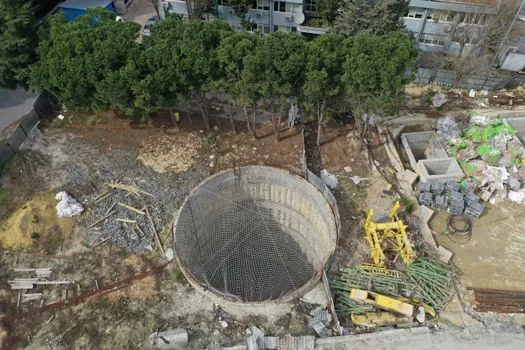
Three criteria decide the anchor type more than any other: load magnitude and direction (tension vs shear), substrate condition (cracked vs uncracked concrete, brick, block, or hollow masonry), and service environment (indoor, outdoor, coastal, chemical) [S1][S4]. Wedge anchors carry the highest published tension and shear values in the mechanical category, sleeve anchors trade some capacity for substrate versatility, and drop-in anchors are limited to tension loading with a mating bolt or threaded rod [S1][S7].
Substrate is decisive: in solid concrete, any of the three works; in brick or hollow block, sleeve anchors and chemical anchors outperform wedge anchors because the wedge expansion can spall the surrounding material; in cracked concrete, only anchors explicitly rated for cracked-concrete service should be used, and that is where wedge anchors and chemical anchors dominate [S1][S4]. Service environment pushes the material decision to galvanized or 316 stainless for anything exposed to moisture, chlorides, or chemical vapors, since plain zinc plating will fail in those conditions [S1][S4]. For facility engineers retrofitting an existing slab, mechanical expansion anchor selection follows the same load-substrate-environment matrix that specifiers use on new builds.
Limitations, Failure Modes, and When NOT to Use Expansion Anchors
Mechanical expansion anchors must not be used in substrates too soft or too variable to resist the expansion pressure, which causes spalling and pull-out, and they are not recommended at very close edge distances or in highly stressed concrete where the expansion force adds to the in-service stress field [S1][S4]. The expansion mechanism is also the failure mode under sustained vibratory load if the anchor is not rated for it: machinery that produces continuous vibration (compressors, stamping presses, conveyors with cyclic starts) needs either a wedge anchor rated for seismic/cracked concrete or a chemical anchor, which has no expansion stress at all [S4].
Chemical anchors carry their own constraints: hole cleanliness is critical, cold-weather cure extends significantly, and installed temperature windows are narrower than mechanical types, so a winter jobsite may force the choice back to mechanical expansion [S4]. Adhesive anchors also require qualified installers on critical connections in many jurisdictions, and the resin's creep behavior under sustained tensile load must be checked against the design service life. For static equipment pads in a controlled environment, expansion anchors are the lowest-cost, fastest-install option, but the moment you add vibration, close edge distance, low concrete strength, or sustained outdoor exposure, the answer shifts toward chemical or specialty mechanical anchors.
Sourcing, Standards, and Where to Verify Loads
Manufacturer technical data sheets and ICC-ES evaluation reports are the primary reference for published tension and shear values, embedment depths, edge and spacing distances, and the cracked-vs-uncracked concrete rating that drives seismic qualification [S1][S2]. Major mechanical anchor lines (Simpson Strong-Tie, ITW Red Head, Powers, MKT) publish these data in print catalogs and as downloadable PDFs, and the values differ by diameter, material, and embedment, so catalog cross-reference rather than rule-of-thumb is essential [S4][S7].
Trackable signals for the next 6-12 months: (1) new ICC-ES cracked-concrete approvals for small-diameter wedge anchors as seismic codes tighten in U.S. commercial work, and (2) wider stocking of 316 stainless wedge and sleeve lines at electrical and plumbing distributors as coastal and food-grade projects grow. For related fastener decisions, see the disc spring washer dimension chart and the dock leveler deck plate spec map for other load-bearing mechanical connections in industrial builds.
The underlying component specifications are covered under chemical anchor, and expansion joint.
See also our earlier report, Crawler crane haul road width: how track gauge, machine size, and transport envelopes.