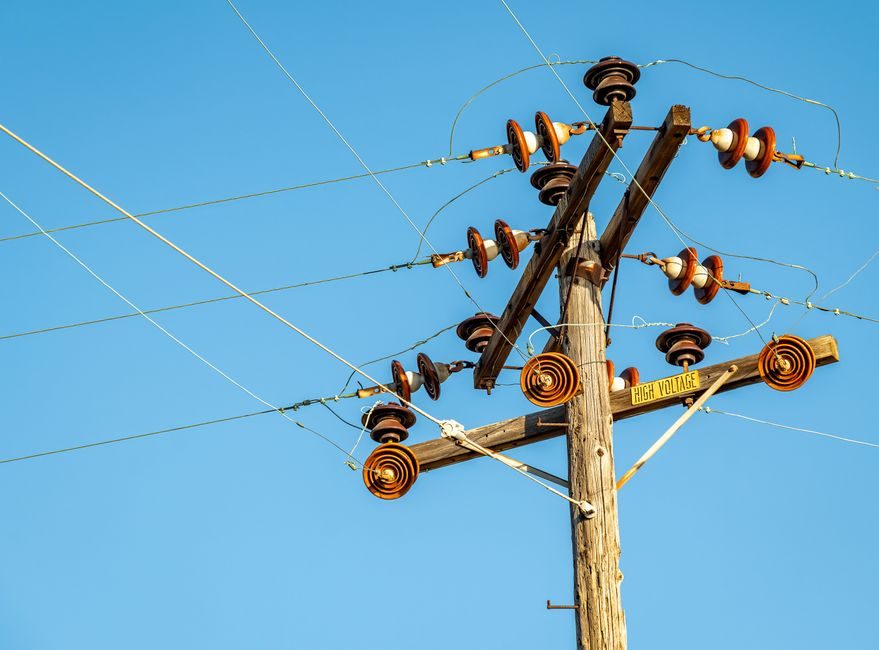
Five protection concepts (Ex d, Ex e, Ex i, Ex p, Ex t) cover nearly every Ex electrical spec on the market, and the right pick is driven by Zone 1/2 vs Zone 21/22, gas group IIA/IIB/IIC, and temperature class T1–T6 [S3].
Supplier catalogues in mid-2026 cluster into four families: lighting, junction boxes and plugs, motors and distribution, and control gear, with Chinese OEMs such as Feice, Shenhai, and ExEC now offering more than 130 series and 500 specifications across them [S2][S3][S4].
Ex d, Ex e, Ex i, Ex p, Ex t: The Five Core Protection Concepts
Ex d (flameproof enclosure) contains any internal ignition and survives an internal explosion without propagating to the surrounding atmosphere; it is the workhorse for Zone 1 lighting, motors, and explosion-proof junction box builds in oil & gas [S3].
Ex e (increased safety) does not contain an arc — instead it eliminates sparks, hot surfaces, and loose terminations through creepage, clearance, and IP protection, and dominates explosion-proof distribution boards, terminals, and explosion-proof button stations [S3][S4].
Ex i (intrinsic safety) limits circuit energy below ignition thresholds for the specified gas group, so it is the only concept permitted inside Zone 0 without additional enclosure protection, and is the default for instrumentation loops [S3].
Ex p (pressurized) keeps the internal atmosphere above ambient pressure with a purge controller, and is used for large explosion-proof motor starters, analyser cabinets, and control rooms where Ex d enclosures would be impractical at that volume [S3].
Ex t (dust protection by enclosure) addresses combustible dust rather than gas, with three sub-levels (ta, tb, tc) that mirror Zone 20/21/22 logic, and applies to grain handling, metal powders, and bulk pharmaceutical solids handling [S3].
Zone Map, Gas Group, and Temperature Class
Zone 1 means an explosive gas atmosphere is likely in normal operation; Zone 2 means it is not likely, and Zone 0 is continuous — and Feice's eJX-series connection box, for example, is explicitly rated only for Zone 1 and Zone 2, gas groups IIA/IIB/IIC, dust areas 21/22, and temperature groups T1–T6 [S3].
Gas group IIC (hydrogen, acetylene) is the hardest ignition case; IIB covers ethylene; IIA covers propane. A piece of equipment certified for IIC is automatically accepted for IIA and IIB, which is why most spec sheets list IIA/IIB/IIC together [S3].
Temperature class T6 caps surface temperature at 85 °C, T5 at 100 °C, T4 at 135 °C, T3 at 200 °C, T2 at 300 °C, and T1 at 450 °C — and the chosen T-class must sit below the auto-ignition temperature of the gas or dust cloud present, not the process fluid temperature [S3].
For dust, the equivalent cap is the layer/cloud ignition temperature in °C marked on the nameplate, and the same Ex e / Ex t / Ex iD concepts apply under IEC 60079-31, the dust-by-enclosure standard, rather than the gas-only framework [S3].
Equipment Family Comparison: Lights, Boxes, Motors, Plugs
Explosion-proof lights ship in Ex d or Ex e versions with T4–T6 ratings, and the DirectIndustry supplier index lists 50-piece MOQ LED fixtures at roughly US$41 ex-works Shanghai for offshore-grade fittings [S5].
Junction boxes and plugs are the highest-volume Ex e product line: 4 suppliers (Cortem, Dr. Jessberger, SCAME PARRE, WISKA) carry 5 Ex plug variants on DirectIndustry, with 3-pole, 5-pole, and 2-pole options plus IP-rated waterproof bodies [S1].
Motors pair Ex d enclosures with Ex e terminal boxes, and Feice's eJX covers connections for lighting, power, control, and communication lines from a single platform [S3].
Control gear (pushbuttons, isolators, explosion-proof light switches) is overwhelmingly Ex e or Ex i, and ExEC's catalogue targets flameproof and increased-safety enclosures built since 1996 for command transmission and status monitoring [S3][S4].
Selection Criteria and Common Failure Modes
Match the certification to the worst-case zone, not the average — many plant upsets trace back to specifying Ex e where the area classification actually demands Ex d, or accepting IIB on a line that can swing to IIC during catalyst changeover [S3].
Verify the ambient temperature range on the certificate, typically −20 °C to +40 °C for tropical or −40 °C to +60 °C for cold-climate builds; outside that envelope, the temperature class derates and T6 gear may behave as T5 in practice [S3].
Ingress protection is independent of Ex rating: an Ex e box at IP65 is not the same as IP66, and offshore or wash-down areas usually need IP66 or IP67 on top of the Ex certification, which the DirectIndustry filter flags separately from the "explosion-proof" attribute [S1].
Common failure modes include damaged flamepaths on Ex d covers (any scratch wider than 0.05 mm on a Group IIC joint can invalidate certification), corroded Ex e terminals, and lost purge cycles on Ex p cabinets after filter change [S1][S3].
Standards, Certification Bodies, and Sourcing
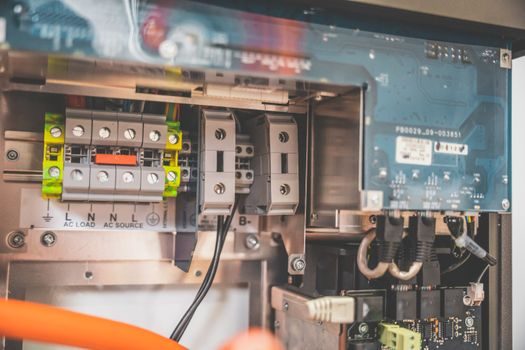
ATEX 2014/34/EU governs the EU market, IECEx the international scheme, and North America runs on the NEC Class/Division system in parallel with the IEC Zone system — and a piece of equipment often carries dual ATEX + IECEx marks to cover both [S3][S4].
Manufacturer self-declarations under the Feice, Shenhai, and ExEC catalogues tend to follow the IEC 60079 series (0/1/11/31 in particular), and OEM datasheets should always be cross-checked against the notified-body certificate, not the marketing PDF [S2][S3][S4].
For related industrial spec maps, see this industrial gear advantages breakdown and this ultrasonic sensor selection guide, which use the same zone-and-class discipline for adjacent equipment families.
Track these signals over the next quarter: (1) any move by Chinese OEMs toward IECEx-only certification without ATEX notified-body involvement, which would block EU skid sales; (2) tier-1 European suppliers (Cortem, WISKA) consolidating plug-and-socket SKUs around IEC 60309 + Ex de hybrids; (3) a push for Ex eb (increased-safety with bridging circuits) on Zone 1 motor terminal boxes as an alternative to Ex d [S1][S2][S3][S4].