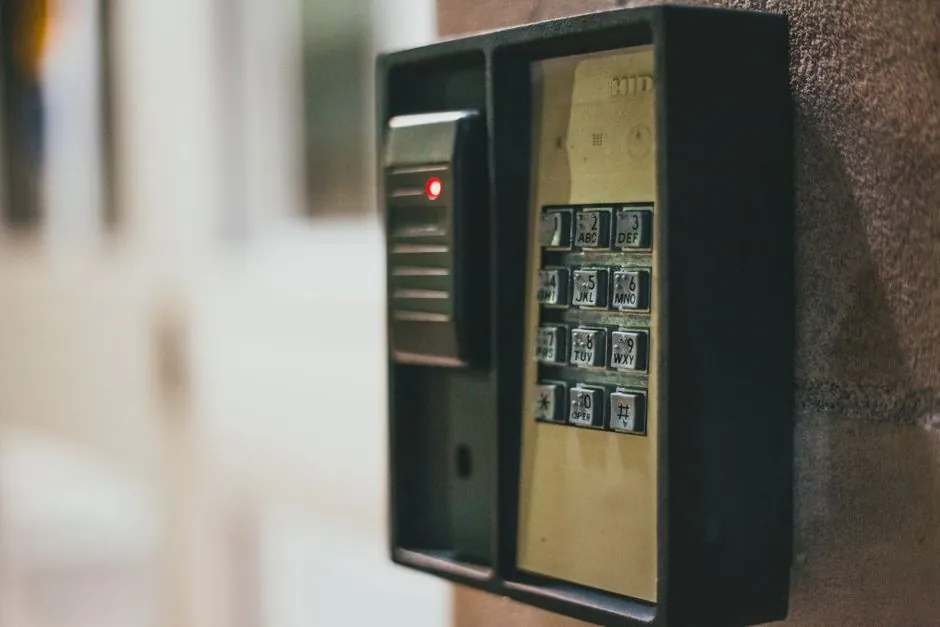
Conventional fire alarm control panels generally have lower equipment prices, but addressable panels usually cost more per panel and field device while identifying each individual alarm point [S1][S8].
The economic comparison must include devices, wiring, installation labour, programming, maintenance, false-alarm response and site scale, not panel sticker price alone.
Price comparison by installed system cost
Conventional equipment is usually the lower-cost starting point for a small or simple building, where detection can be grouped into zones and precise device identification is not critical [S1][S7]. Addressable equipment generally carries a higher initial price because the panel, detectors, modules and programming have greater capability [S8].
Installed cost can narrow or reverse the equipment-price gap. Conventional systems use separate radial circuits for zones, while addressable systems can carry multiple points on a loop, subject to the selected panel and device design [S1][S4]. Labour-intensive zone wiring can make a conventional installation more expensive overall despite its cheaper equipment [S2][S4].
No defensible universal price percentage or panel price range can be stated without a building count, device schedule, wiring method and vendor quotation. A valid comparison should price at least: 1 control panel, 2 detector types, 3 manual call-point and interface counts, 4 notification appliance circuits, 5 wiring labour, 6 programming, 7 annual service, and 8 engineering and permit costs.
Equipment and installation trade-offs
Addressable systems identify the individual device or point, whereas a conventional panel identifies the affected zone [S1][S9]. That distinction affects both the purchase decision and the cost of a false alarm or fault.
A conventional system is a rational candidate for a compact retail unit, small office, straightforward releasing arrangement, or a dedicated function with a limited scope [S1][S3]. It is less attractive where automatic detection coverage, multiple buildings, smoke control or detailed device-level diagnostics are required [S3].
Choose by operating function, not panel price
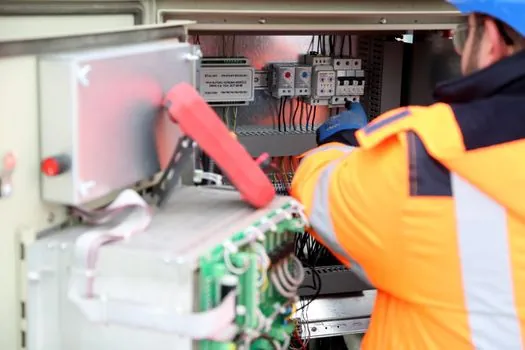
Addressable architecture is the stronger choice when responders must know the exact initiating device, maintenance staff must isolate a fault without testing an entire zone, or the installation must support complex control functions [S1][S3]. Point identification can reduce response time and make false-alarm investigation more efficient [S3][S5].
Conventional systems are often simpler and more budget-friendly, which some clients prefer for smaller projects [S3].
For a small, low-complexity site, select a conventional fire alarm control panel when zone-level notification is acceptable and the installation has limited zones. Addressable fire alarm systems make troubleshooting much easier because the exact device that triggered the alarm can be pinpointed [S3].
Main cost drivers beyond the control panel
The panel is only one line in the installation budget. Conventional systems require separate zone wiring and can require separate sounder circuits, making cable quantity, conduit, terminations and commissioning labour significant cost drivers [S1]. Addressable systems shift more expenditure into the panel, compatible devices, monitoring modules and site-specific programming [S8].
Three related systems materially alter the comparison. If a sprinkler system already provides the required protection, a conventional monitoring arrangement may be enough for a simple site [S3]. If building-wide detection is required, addressable devices and interfaces add price but improve point-level supervision [S3]. If smoke control, elevator recall, remote annunciation or multiple control functions are required, a capable programmable addressable architecture is generally more suitable [S3].
The wiring decision should be reviewed separately from the panel decision. A smoke detector or heat detector on a conventional zone can require manual search after an alarm, while an addressable point identifies its own address at the panel [S1][S9]. The detailed field-device consequences are covered in Addressable vs Conventional Smoke Detector Wiring.
Maintenance, false alarms and ownership cost

Conventional panels are simpler to operate and do not require the same level of programming knowledge as an addressable system [S3]. That simplicity can reduce initial training effort. Addressable panels can reduce the labour required to locate a faulty device, which is a recurring operating benefit rather than an installation saving [S1][S5].
Addressable systems can also introduce more complex programming and system configuration. One practitioner discussion identifies complex intermittent failure modes as a potential addressable-system weakness, while noting that conventional panels can be easier to troubleshoot [S3]. Ownership cost should therefore include programmer training, database backup, configuration control and specialist service support.
False-alarm exposure is another criterion, not a reason to reduce required detection. Conventional systems may experience slower response because responders must investigate multiple devices within a zone, while addressable systems permit immediate device identification [S4]. The economic value of addressable diagnostics rises where nuisance alarms are frequent, response time matters, or building operation has high disruption costs [S5].
Procurement method and quotation checklist
Obtain like-for-like quotations using the same number of zones, addressable points, notification appliances, control outputs and monitoring links. A panel-only comparison will be misleading because the installed architecture determines labour and field-device cost [S2][S4].
Require each quotation to separate 1 panel hardware, 2 initiating devices, 3 modules and interface relays, 4 notification appliances, 5 cables and conduit, 6 installation labour, 7 programming and commissioning, 8 training, 9 permits, and 10 maintenance. For addressable systems, also price loop design, device addresses, spare capacity, network interfaces and future programming changes [S8].
Confirm whether existing wiring can be reused. An addressable upgrade can become disproportionately expensive if the design requires new fire cable, conduit or addressable field devices rather than retaining compatible conventional wiring [S5]. The fire alarm control panel specification should therefore be tied to the wiring design, device schedule and required control functions, not selected from a price list alone.
Recommended decision by project type

Choose a conventional panel for a small, straightforward facility with low installation labour, limited control functions and an accepted zone-based response. Choose an addressable panel for larger, multi-zone or multi-building facilities where exact device identification, rapid fault isolation, complex output control, smoke control or elevator recall justifies the additional equipment and programming cost [S1][S3][S7].
The decisive metric is total installed and lifecycle cost per protected point, not the lowest panel quotation. Addressable equipment generally wins when wiring reduction, reduced field search and faster fault handling offset the premium; conventional equipment can win when the scope is small, wiring is already suitable and no advanced detection functions are required [S2][S4].
For procurement control, require 1 architecture statement, 2 device and zone schedule, 3 loop or radial wiring plan, 4 labour-separated quotation, 5 programming and training allowance, 6 maintenance comparison, and 7 written explanation of any reuse of existing wiring.