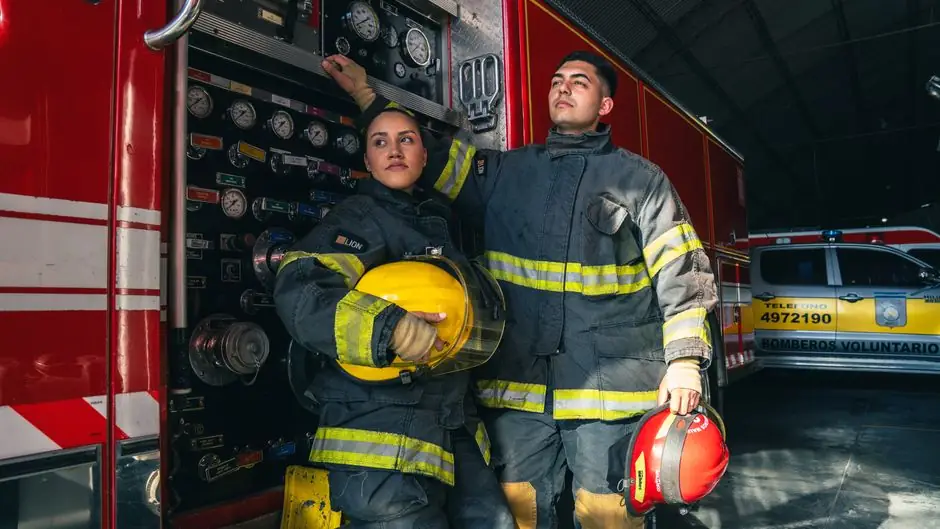
Fire helmet specification turns on four measurable axes, not brand loyalty: shell material (leather, fiberglass composite, thermoplastic), shell profile (traditional, modern/European, jet-style), compliance to NFPA 1971 for structural firefighting, and the presence of replaceable, launderable soft goods for carcinogen reduction [S3][S5][S6].
Roadway-response, technical-rescue, wildland, and structural-fire helmets diverge sharply in weight, impact, and heat rating, so a single "one-size" helmet is no longer defensible for mixed-hazard departments, and a written needs assessment should precede any quote request [S1][S2].
Shell Material: Leather, Fiberglass Composite, Thermoplastic
Leather shells (handcrafted, stitched) remain on the market for the traditional American profile and carry long service lives when maintained, with the MSA Cairns N5A New Yorker and N6A Houston as reference examples, the N5A to OSHA and the N6A explicitly compliant to NFPA 1971, 2018 Edition [S5].
Fiberglass composite shells (through-color, matte or luster finish) are typically lighter than leather, resist cracking and chipping, and dominate the modern structural market, with the Cairns 1010 and 1044 cited as best-selling composite examples from a major US manufacturer [S5].
Thermoplastic shells (e.g., Cairns 880 Traditional) sit at the lower-cost end of the structural range and are common in municipal fleet buys, trading some thermal margin for weight and unit cost, a trade-off that must be matched to local fire-load profile, not to aesthetics [S3][S5].
Shell Style: Traditional, Modern, Jet
Three profiles coexist in the US market today: the traditional American long-brim helmet (N5A / N6A silhouette), the streamlined contemporary / European-style helmet, and the shorter jet-style design favoured for technical rescue and vehicle-extrication work because the shorter brim reduces snag and neck-hinge interference [S2][S9].
Each profile changes centre-of-gravity and peripheral vision; traditional helmets sit higher and wider for radiant-heat shielding, while modern and jet shells drop the ride height and trim the brim to improve situational awareness in tight compartments and during SCBA-scanned searches [S2][S9].
Style choice should be a field trial, not a vote: have at least three members of each riding position (engine, truck, rescue, command) wear each candidate under hood, with chin strap fastened, for a full working cycle, then vote blind on balance and snag behaviour before any committee decision [S3].
Standards and Compliance: NFPA 1971 vs OSHA vs EN 443
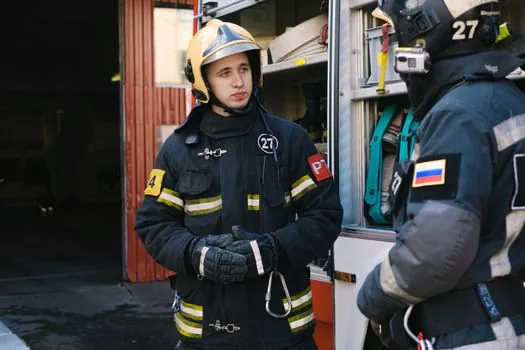
Structural firefighting helmets in the US are specified to NFPA 1971, which covers heat, flame, impact, and electrical resistance for the full helmet assembly, while general OSHA head-protection (29 CFR 1910.135) is the lower bar cited on traditional leather models that predate the structural standard [S5].
European and Middle Eastern tenders typically call for EN 443 (helmets for firefighting in buildings and other structures) plus EN 469 on the ensemble, and the gap between EN 443 and NFPA 1971 is real enough that a helmet listed only to one scheme should not be accepted on a tender written to the other [S6].
Wildland, technical-rescue, and roadway-incident helmets each have their own standards tracks (NFPA 1977 wildland, NFPA 1006/1001 plus NFPA 1951 for technical rescue, and ANSI/ISEA Z89.1 plus high-visibility for roadway-response work), and cross-purposing a structural shell into wildland or roadway duty is a known source of heat-stress and visibility failures [S1][S6].
Eye and Face Protection, Chin Strap, Ear/Neck Coverage
Eye protection is not a single option: departments can specify a 4-inch curved visor, NFPA flip-down eyeshades, a retractable internal visor, or goggles, and not every shell is offered with every option, so the eye-protection choice must be locked before the shell is quoted [S3].
Chin straps vary from a two-point cotton strap on traditional leather shells to quick-release, one-hand-donning systems on modern composite models; a chin strap that cannot be released with a gloved hand under hood is a documented entrapment risk during SCBA doffing [S3].
Flame-resistant ear/neck covers (Nomex or PBI knits) and integrated shroud interfaces for SCBA must be specified with the shell, not after, because some traditional profiles do not accept a SCBA shroud without a retro-fit that voids the NFPA 1971 listing on that specific unit [S3][S5].
Soft Goods, Decontamination, and the Cancer-Prevention Driver
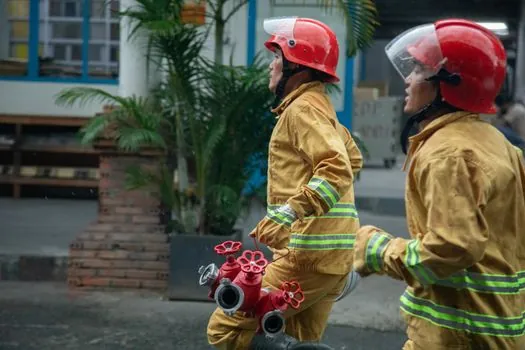
Replaceable soft goods (suspension, brow pad, ear/neck covers) are now the procurement norm because they can be laundered or swapped, and as of September 2018 the MSA Cairns N5A New Yorker and N6A Houston leather lines ship with replaceable soft goods aligned with Firefighter Cancer Support Network (FCSN) guidance [S5].
The driver is hygiene: structural firefighting produces persistent organic contaminants on the head and neck area, and a helmet that cannot be taken apart for washing concentrates exposure between fires, which is why this spec line is now treated as a safety control, not a comfort option [S5].
For readers cross-referencing broader head-protection logic, the safety helmet types and classifications comparison of ANSI Z89.1 vs EN 397 is the right reference for industrial, non-fire helmets, and a fire helmet should never be down-selected from that industrial set without an explicit hazard analysis.
Selection Criteria and How to Compare Three Helmets
A defensible comparison lines each candidate shell against the same four criteria: NFPA 1971 listing (yes/no, edition year), shell material and stated weight, replaceable-soft-goods configuration, and available eye/face-protection options, scored on the same scale before the field trial begins [S3][S5].
For a US structural fleet, the short-list almost always reduces to one leather traditional, one composite traditional, and one modern/jet composite, then the committee weighs the trade-off between tradition and weight; a 200-300 g per-helmet delta, multiplied across a 100-member department, is the kind of spec line a chief will see in workers'-comp neck-injury claims if ignored [S3][S5].
For a more detailed walk-through of how PPE programmes standardise selection across categories, the respirator installation specs and standards reference and the safety glasses types and ANSI Z87 hazard classes guide use the same committee-trial logic, which is why a single PPE committee should drive helmet, respirator, and eye-protection decisions together rather than in separate silos.
Sizing, Fit, and Field Trial Protocol
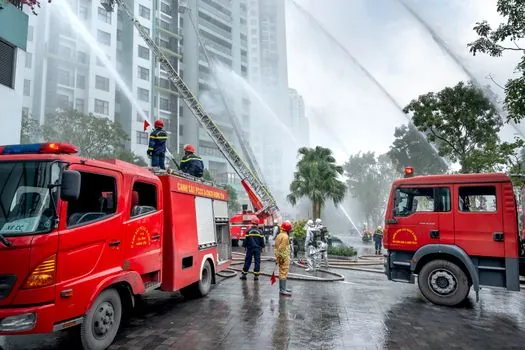
Sizing is shell-size plus head-insert size, and a helmet that passes the NFPA 1971 lab impact test can still fail the wearer if it sits too high (snag) or too low (vision cut-off), so the field trial should include a SCBA-don, a ladder climb, and a crawl-through before any procurement signature [S3].
The committee should document the trial in writing, retain at least one sample of each rejected model for the records, and budget for attrition replacement, not fleet-wide buy, because most US departments replace helmets through attrition as members retire, transfer, or suffer impact damage rather than on a calendar cycle [S3].
Trackable signals for the next procurement cycle are the publication of the next NFPA 1971 edition and any changes to FCSN laundering guidance; departments should also monitor EN 443 revision activity if they source through European OEM partners or supply allied agencies across borders [S5][S6].
For component-level specifications, see safety helmet, fire safety, and machine safety.