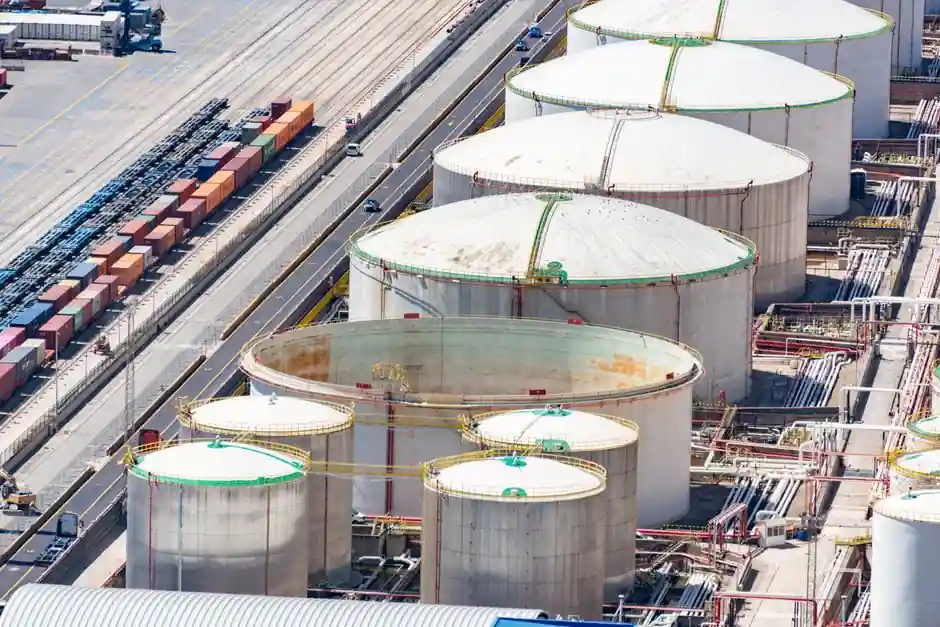
Food-grade and chemical-grade ISO tank containers can differ in permitted cargo, stainless-steel grade, internal finish, cleaning regime, and hazardous-material controls [S1][S3].
The decision is based on product purity and cargo history, not simply on the container’s steel or external appearance. Food service includes edible oils, juices, dairy derivatives, glucose syrups, and food-grade alcohol, while chemical service includes acids, solvents, fuels, and other industrial liquids [S1][S3].
Decision criteria: cargo, contamination, and pressure protection
Food-grade equipment is specified for liquids intended for human consumption, with product-contact surfaces selected to avoid contamination. Chemical-grade equipment is selected around the hazard characteristics of the cargo, including corrosivity, flammability, toxicity, reactivity, and the applicable dangerous-goods classification [S1].
The comparison is straightforward. Food-grade tanks prioritize smooth, cleanable interiors, food-compatible valves and seals, and dedicated hygiene controls. Chemical tanks prioritize chemical resistance, pressure relief, venting, reinforced seals, and cargo-specific isolation. A chemical tank may carry non-hazardous industrial liquid, but it is not thereby approved for food contact [S1].
Do not treat “stainless steel” as a sufficient product approval. Food-grade tank containers are typically made from stainless steel, with 316L cited as a typical grade, while chemical tanks may use stainless steel with PTFE, rubber, or other corrosion-resistant linings [S3]. The complete wetted-material assembly, including gaskets, fittings, valves, and liners, has to be accepted for the actual product.
Construction differences that affect real service
Food-grade construction normally uses stainless-steel wetted surfaces, electropolished internal finishes, hygienic valves, and PTFE seals. Electropolishing produces a smooth internal surface intended to reduce bacterial adhesion and simplify cleaning [S3]. Smooth welded seams, sealed loading and unloading valves, and insulated barrels are also common requirements for sanitary food transport [S5].
Chemical construction varies with the cargo. Highly corrosive liquids may require a PTFE, rubber, or special chemical lining in addition to stainless steel, while flammable or reactive cargo can require pressure-relief devices and stronger pressure-control arrangements [S3]. Insulated and heated configurations may be used when viscosity or temperature control matters, and a heated tank container should not be assumed suitable for every food product.
The external shell may look nearly identical, but the internal design and operating limits are not interchangeable. Chemical cargo may have different hazards, handling requirements, and legal obligations from food cargo.
Cleaning, certification, and previous-cargo limits
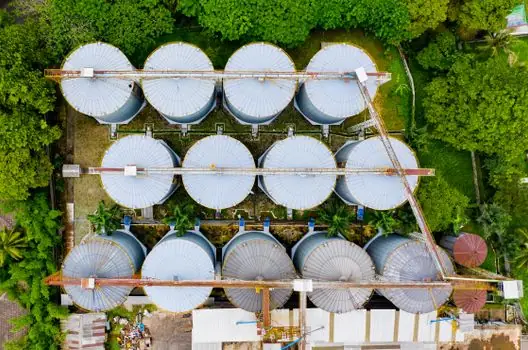
Food-grade service requires dedicated cleaning and certification protocols between uses to prevent cross-contamination [S1]. Food service also has a restrictive prior-cargo rule: a container that has carried toxic chemicals is not suitable for food use, and a food-grade tank that receives an industrial chemical can permanently lose that status [S2][S3].
Document control is part of the equipment decision, not paperwork to add afterward. A food-grade tank requires evidence of food-safe materials and hygiene status, while a chemical tank must be selected for the correct dangerous-goods and transport regulations, including the IMDG Code for sea transport and ADR requirements for road transport [S1][S3]. Food regulations vary by origin and destination, so the receiving market’s acceptance requirements must be checked before shipment [S1].
Food cargoes, chemical cargoes, and unsuitable applications
Food-grade tankers are suited to milk, juice, water, cooking oil, corn syrup, wine, glucose syrups, and related edible liquids [S3][S5]. Their sanitary construction protects product integrity, while insulation can preserve specified cargo temperatures [S5]. These features do not establish that a tank is suitable for solvents, fuels, toxic chemicals, or aggressive acids.
Chemical tankers are suited to acids, alkalis, flammable liquids, toxic materials, corrosive substances, base oils, solvents, and petrochemical products [S3][S5]. Their relief, venting, lining, insulation, and valve arrangements are selected for the chemical family and shipping mode [S3]. A food-compatible liner is not automatically resistant to solvents or fuels, and a tank designed for dilute food products may not be appropriate for reactive or corrosive cargo.
Use the electropolished tank interior guide to examine the finish requirement for food service, but keep the evaluation at assembly level. One polished surface does not make a chemical tank food-grade.
Cost, integration, and lifecycle tradeoffs
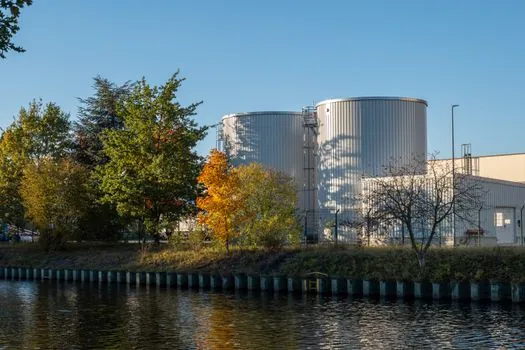
Lifecycle cost depends on utilization. A food tank with an acceptable prior-cargo history can serve successive approved food products, while accidental chemical loading can end that eligibility [S2][S3]. A chemical tank can be washed and returned to chemical service under an approved regime, but conversion to food service is generally prohibited because the prior chemical history cannot be erased by cleaning alone [S1][S3].
On capital cost alone, both categories are comparable only at the shell level. The meaningful comparison is compliance cost, contamination risk, cleaning validation, downtime, and residual asset value. Food service should be priced as a sanitary asset with controlled cargo succession; chemical service should be priced as a hazardous-process asset whose allowable cargo list and pressure, corrosion, and fire controls are defined.
Hazmat separation and operating controls
A tank approved for flammable or combustible liquids may also be used for certain food-grade liquids only when its certification, cargo authorization, cleanliness, and operating limits permit that use [S4]. The reverse is not automatic: chemical cargo approval does not confer food-contact approval. For toxic or flammable cargo, the dangerous-goods classification determines the applicable documentation, equipment, and handling requirements [S1][S3].
Food-grade service also has failure modes that do not disappear because the cargo is edible. Cross-contamination, retained odor, liner incompatibility, damaged electropolished surfaces, and incompatible seal compounds can compromise product quality. Chemical service has a different set of failure modes, including wall corrosion, liner breakdown, relief-valve capacity, contamination of the cargo from incompatible residues, and unsafe pressure conditions [S1][S3].
The most defensible specification process records the exact cargo, concentration, temperature range, density, compatibility requirements, transport mode, prior contents, cleaning history, destination rules, and required approvals before selecting a tank. Obtain the equipment maker’s approved-cargo statement and certification package rather than relying on the words “food grade” or “chemical grade” in a sales description.
The next procurement checkpoint is a signed material and cargo compatibility review, including the tank shell, lining, gasket, valve, gasket compound, relief device, and heating or insulation system. Track the tank’s prior-cargo history and cleaning certificates for every food shipment, and revalidate any conversion request against the approving food-safety and dangerous-goods authorities.