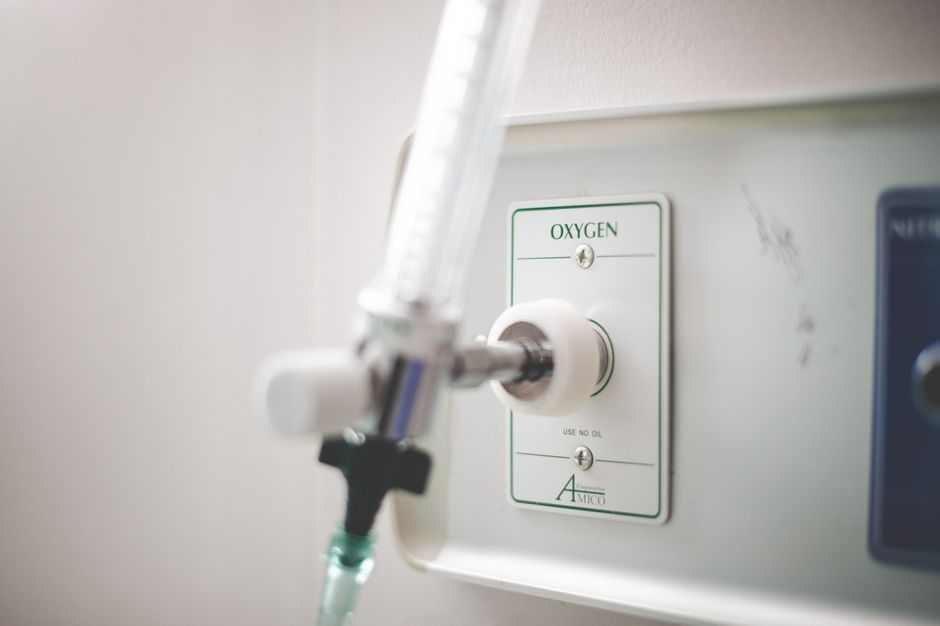
A gas alarm controller in 2026-06 is a multi-drop fixed detector host — not a single-point domestic alarm — and the spec floor is set by the sensor bus, the relay matrix, and the hazardous-area approvals it ships with [S2]. The 250-device RS485 ceiling on Korno's DN-3000 controller [S2] is a useful upper bound when sizing chemical-plant and LNG-marine detector networks.
For industrial buyers, the working definition is a wall- or panel-mounted controller that aggregates 4–20 mA, RS485 (Modbus RTU), or bus-powered detector inputs, drives audible/visual alarm units, and exposes dry-contact or Modbus outputs to a gas alarm controller upstream — the data path that feeds a SCADA or BMS layer.
Channel Count, Bus Topology and Detector Handshake
Channel count is the first gate. Small commercial kitchens and boiler rooms typically run 4–16 channels; a 250 RS485-device controller such as the DN-3000 [S2] is sized for refinery, LNG terminal, or pharmaceutical-grade clean-room arrays. RS485 with Modbus RTU remains the dominant field bus because it survives 1,200 m cable runs at 9600–19200 baud, accepts daisy-chained detector heads, and powers remote modules from the controller's bus supply [S2].
Sensor-fuse behaviour matters as much as the count. A 16-channel unit wired to a 1,200 m trunk with mixed catalytic-bead and IR detectors can hit ground-loop faults that a 64-channel with isolated RS485 segments will not. For facilities mixing combustible-gas (Ex) and toxic-gas (e.g. H2S, NH3) heads, segmented bus architecture — one trunk per gas family — is the cleaner spec, even when the headline channel number would otherwise fit on a single Modbus segment [S2].
Certification Scope: Ex Rating, SIL and Enclosure
ATEX and IECEx zone rating is the second gate. A controller mounted inside a safe-area control room only needs to cite IEC/EN 60079 series compliance for its detector loop, while a controller sited in Zone 1 needs Ex d or Ex e enclosure certification matched to the gas group. Wuxi Yongan's safety-equipment portfolio, founded 2003 [S3], and Korno's [S2] industrial lines are the typical Chinese-OEM evidence trail; OEM datasheets must show the exact ATEX category, IECEx certificate number, and IP rating before the unit is accepted on a European EPC bid.
SIL (Safety Integrity Level) is a separate gate from Ex rating. Combustible-gas detection loops for hydrocarbon service are commonly specced to SIL 2 per IEC 61508, with the controller's relay matrix and logic solver contributing to the PFDavg calculation. Toxic-gas loops on occupied spaces can be specced at SIL 1 unless a HAZOP node requires higher. A controller that cannot produce a FMEDA report and an explicit SIL declaration is a paperwork risk on a process-plant PO [S2][S3].
Relay Matrix, Output Protocols and Data Logging
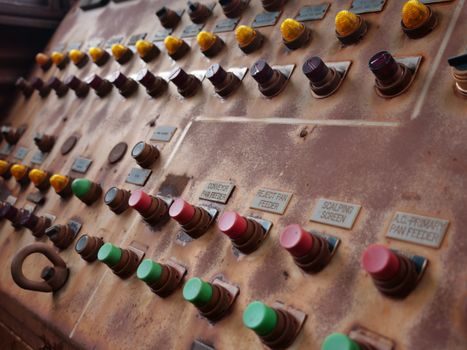
Output architecture is the third gate. Industrial gas alarm controllers expose three output classes: passive dry-contact relays for hard-wired shutdown of solenoid valves, fans, and fire alarm control panels fire alarm control panel; Modbus RTU/TCP registers for the BMS; and optional 4–20 mA repeat channels for legacy DCS. The DN-3000's documented option of an on-board printer and a data-storage module [S2] is a real differentiator for sites that must keep a local 30-day alarm archive on paper for regulator inspection.
Output density per channel is the fine print. Entry-level 8-channel units ship with 2–4 common relays; a 64-channel unit specced for a refinery may need 32 individually-addressable relays so that valve-isolation logic on a single detector trip does not need a downstream PLC. Confirm the relay count, the relay contact rating (typically 5 A / 250 VAC resistive), and the fail-safe state (de-energize on trip) before accepting the BOM [S2].
Detector Compatibility and Sensor Pre-Calibration
Controller-detector compatibility is the fourth gate. A controller accepting only 4–20 mA inputs cannot natively host a bus-powered catalytic-bead head without a separate transmitter; conversely, a Modbus-RTU controller expecting a Manchester-encoded catalytic sensor will not read a standard 4–20 mA IR head. Specifying the detector family first — and the controller second — is the only way to avoid a sensor bus mismatch at commissioning [S2].
Pre-calibration and bump-test workflow is part of the spec. Catalytic-bead and electrochemical sensors drift; a controller that supports a remote calibration-menu lockout, a bump-test acknowledge input, and a "calibration-due" flag on the Modbus map is far easier to live with than one that needs a HART handheld to clear a maintenance latch. For a deeper comparison of detector form factors and the sensor cost stack, the Gas Detector 2026 Price & Cost Guide and the Gas Detector 2026 Buying Guide carry the side-by-side sensor data.
Power, Redundancy and Field Wiring
Power architecture is the fifth gate. Industrial controllers run on 85–265 VAC mains with a 24 VDC backup rail sized for at least 30 minutes of full-load alarm; on critical sites the spec is N+1 redundant PSU with a separate battery enclosure. A 64-channel unit drawing ~6 A at 24 VDC on a full alarm event will not survive a 7 Ah SLA; it needs at least a 38 Ah bank with a low-voltage cutoff above the sensor brown-out threshold [S2].
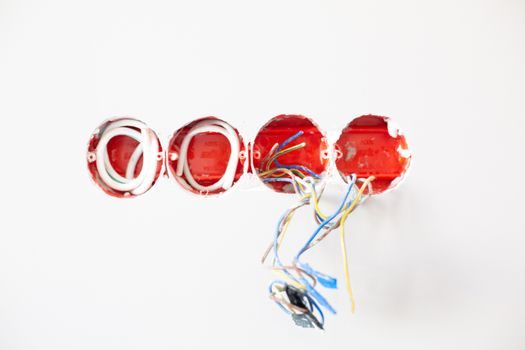
Field wiring topology ties the gates together. RS485 trunks should be daisy-chained, not star-wired, with 120 Ω termination at both ends and shield grounding at one point only; 4–20 mA loops should not exceed 600 Ω total loop resistance to preserve the 24 VDC headroom. For facilities integrating with a wider perimeter alarm net, the perimeter alarm upstream layer and the detector-host handoff need a documented Modbus register map, not a vendor-specific API [S2].
Decision-Matrix Pass: 2026 Industrial Shortlist Criteria
Decision-matrix scoring — the structured criteria-rating method used for risk and option selection [S4] — is the cleanest way to compare controller SKUs. Weight four criteria on a 1–5 scale and sum: (a) max channel count, (b) ATEX/IECEx zone coverage, (c) SIL declaration depth, and (d) relay/logger architecture. A 16-channel SIL 2 unit with 16 individually-addressable relays outscores a 64-channel SIL 1 unit with 4 common relays on a pharmaceutical clean-room bid, even though the headline channel count is lower.
Use the same matrix to disqualify SKUs. A controller with no IECEx certificate, no FMEDA report, and a single RS485 trunk cannot pass on a Zone 1 LNG bid; a domestic-grade unit with 4 channels and 2 relays cannot pass on a 64-detector pharmaceutical suite. Two OEMs to shortlist in 2026-06 are Korno (DN-3000 and related) for high-channel-count, RS485-heavy sites [S2], and Wuxi Yongan for the broader safety-equipment bundle that lets a Chinese EPC buy detectors, audible-visual alarms, and the controller on a single PO [S3]. For complementary gas-measurement work upstream of the alarm loop — process chromatographs and stack analyzers — the gas chromatograph and gas analyzer reference pages carry the spec detail.
Close-out signal for the spec writer: lock the channel count and Ex zone first, the relay matrix second, the SIL declaration third, and the Modbus register map last. A DN-3000-class 250-channel RS485 host [S2] with documented ATEX/IECEx and on-board data logging [S2] is the 2026-06 high-end reference; a 16-channel SIL 2 unit with individually-addressable relays is the right answer for most occupied-space and clean-room jobs. A practical next move is to pull the FMEDA and IECEx certificate PDF from the OEM portal and run them through the same decision matrix as the BOM — the documentation is the differentiator that survives an EPC technical audit, not the brochure.