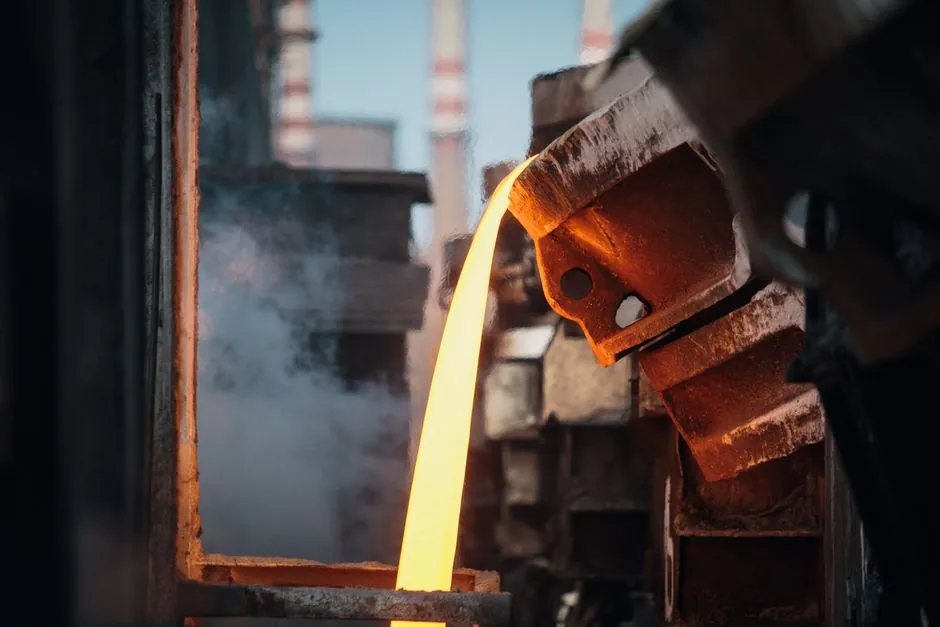
Gas-fired aluminum melting furnace pricing should be normalized to both furnace price and verified melt capacity because a $7,400 used unit and a new 7,000 lb/h installation are not comparable assets.
Public equipment examples cover natural-gas melting systems from 500 to 7,000 lb/h, while a dry-sole furnace combines 2,500 kg of molten capacity with approximately 800 kg/h melting capacity [S1][S7].
Published Capacity and Price Benchmarks
A used 1,000-hour gas-fired melt-and-hold furnace was listed at $7,400, but the listing did not provide its aluminum melt rate, so no defensible dollar-per-ton-per-hour figure can be calculated from that price alone [S6].
Natural-gas dry-hearth listings include F.W. Schaefer systems rated at 1,250 lb/h and 5,000 lb/h [S1]. One 10,000 lb/h Lindberg/MPH melting and holding furnace was shipped in 2024 with a maximum temperature rating of 1,450°F [S3].
Other capacity points demonstrate why nominal size is insufficient for pricing: GME lists 2,500 kg of molten aluminum, approximately 800 kg/h melting capacity, a 750°C bath maximum, and a 1,200°C refractory maximum for one dry-sole furnace [S7]. The COOLDO crucible range spans an 80–1,000 kg aluminum reference capacity and reaches temperatures of up to 1,000°C, with automatic burner control [S5].
Calculating the Comparable Price Metric
The useful procurement metric is installed capital cost divided by verified net melt capacity: purchase price in US dollars divided by rated pounds per hour and multiplied by 2,000 lb per short ton. A nominal 1,000 lb/h furnace with a $100,000 price produces a capital metric of $200 per ton per hour before installation, controls, foundations, utilities, and operating costs. [S2]
For a 7,000 lb/h furnace, the same calculation produces $28.57 per ton per hour at a $100,000 purchase price. Those examples are mathematical illustrations, not quoted furnace prices, and they exclude site-specific costs.
Capacity must be converted before comparison. The GME furnace's approximately 800 kg/h melting capacity equals approximately 1,764 lb/h [S7].
Main Furnace Types Compared
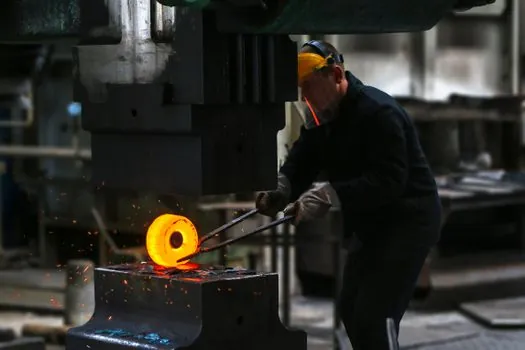
Gas-fired systems should be compared against the operating objectives rather than ordered by advertised capacity alone. COOLDO crucible furnaces use replaceable crucibles and are suited to flexible batch melting or holding of non-ferrous metal [S5].
For large-volume production, gas-fired furnaces remain relevant because the broader aluminum furnace portfolio includes 50–10,000 kW systems and melting capacities from 50 kg to 20 tons, although those figures span multiple heat sources rather than gas furnaces alone [S2]. The induction-versus-gas-fired decision map provides a separate framework for utility and operating-cost evaluation.
What Drives the Purchase Price
Refractory design is a major cost driver.
Insulation adds an identified cost and a stated return period. Full-width double-end doors and gentle transition slopes of no greater than 35 inches improve access for cleaning and reduce hidden oxide buildup (2025-01) [S4].
Gas equipment adds burner sizing, gas-pressure and calorific-value verification, automatic ignition, flame detection, and shutdown-at-temperature-limit functions. Crucible systems also carry vessel replacement and material-selection costs, with separate aluminum and copper crucible grades [S5].
Operating Cost Changes the Real Capacity Price
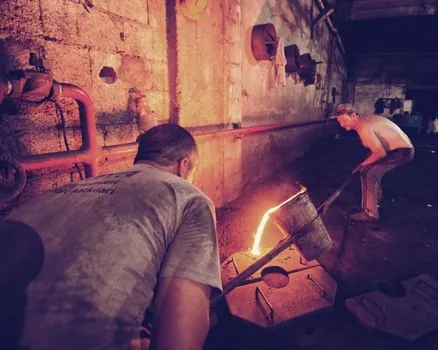
Purchase-price normalization omits the energy required to produce each ton.
Total cost of ownership therefore combines capital recovery, gas, refractory maintenance, combustion-air equipment, controls, labor, and lost production during relining. A furnace with a low price per ton per hour can still lose its advantage if gas consumption, dross losses, or cleaning time are high [S4].
Fuel choice should be based on delivered gas cost and installed burner performance, not only the burner rating. The gas-consumption sizing analysis for crucible furnaces provides the operating-side context for batch equipment.
Application Suitability and Failure Modes
Gas-fired aluminum furnaces fit foundries, die-casting operations, casthouses, ingot production, and flexible non-ferrous batch work. They are less suitable where electrical capacity is available, metal contamination must be tightly controlled, or the production cycle cannot justify burner and exhaust infrastructure [S2][S5].
The main failure risks are failed flame detection, incorrect fuel pressure, poor burner modulation, excessive shell heat loss, refractory wear, oxide accumulation, and blocked cleaning access. The published crucible specifications require the fuel train to be engineered for the confirmed gas type, pressure, and local requirements, with automatic burner start and shutdown controlled by temperature limits [S5].
Charge condition matters as much as nominal capacity. Actual output depends on burner input, furnace condition, charge form, starting temperature, alloy, lid practice, and operating cycle; the 80–1,000 kg crucible figures are standing capacities rather than guaranteed hourly production [S5].
How to Request an Auditable Price
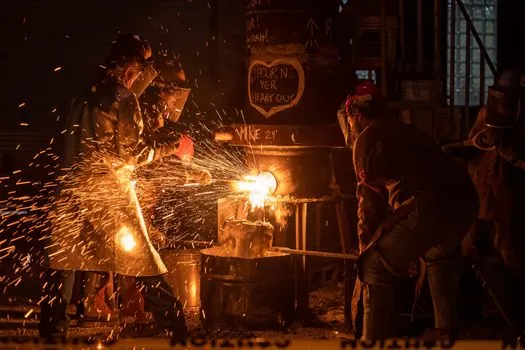
A quotation should state furnace type, model, aluminum melt rate in kg/h or lb/h, holding or standing capacity, charge materials, gas pressure and calorific value, combustion-air arrangement, temperature rating, controls, refractory specification, exhaust requirements, utilities, and installation scope [S1][S5][S7].
For used equipment, require the remaining refractory life, burner condition, safety controls, test data, and a witnessed melt-rate demonstration. A listing without capacity cannot support a valid price-per-ton-per-hour calculation, which makes the $7,400 used-furnace price a budget signal rather than a comparable unit rate [S6].
Close the procurement check by asking the supplier to demonstrate net melt rate with the intended charge and to provide gas consumption, guaranteed production rate, refractory service interval, warranty scope, and installed-cost exclusions. Comparing those outputs against the 500–7,000 lb/h natural-gas capacity range provides a traceable basis for approving or rejecting the quoted rate [S1][S4].