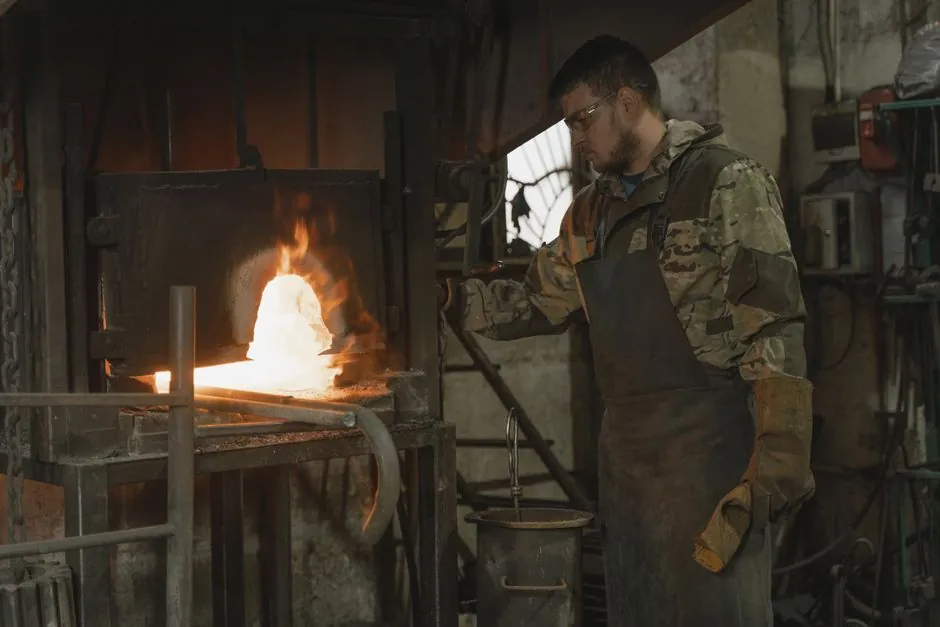
Gas-fired aluminum melting increases dross exposure because combustion gases and oxygen can contact the metal, while induction melting avoids direct combustion-gas contact and supports more uniform melt quality [S1][S4].
The UC Berkeley comparison was between gas-fired and electric resistance melting, and the electrically melted A356 samples had almost uniformly superior tensile strength, yield strength, and elongation regardless of mold type.
Dross Formation Drivers
Gas-fired furnaces expose molten aluminum to combustion gases and oxygen, whereas induction furnaces do not discharge combustion gases into the metal; this atmosphere difference is the primary dross-related distinction [S1]. In a natural-gas crucible test, combustion products penetrated a porous fiber sealing gasket and reached the bath because the combustion chamber operated at positive pressure [S3].
The comparison used silicon carbide crucibles, matched pouring temperature, ultra-dry nitrogen degassing, skimming, and both green sand and permanent molds, which isolates the heating environment more effectively than an uncontrolled production trial [S3].
Drossing fluxes are available for crucible, reverberatory, tower, holding, transfer, and pouring ladles, so flux selection is a process-control step rather than evidence that the furnace itself prevents oxidation [S6]. A practical dross measurement should separate metal loss caused by oxide generation from normal skimming and clean-up losses, using a defined charge mass, melt mass, and dross mass recorded per cycle.
Direct Process Comparison
Gas-fired melting has lower initial equipment cost but lower energy efficiency, while induction melting provides higher efficiency and more precise temperature control [S2]. The relevant comparison is not purchase price alone: atmosphere exposure, melt-loss rate, mechanical-property scatter, heating rate, emissions, and the value of recovered metal determine operating economics.
On dross and metal yield, induction is the stronger choice when aluminum purity, oxide control, and repeatable casting properties justify higher capital cost. On capital cost and high-throughput bulk melting, gas-fired reverberatory or furnace systems can remain competitive, provided combustion isolation, combustion control, bath skimming, and flux discipline are engineered into the process [S1][S2]. For a broader equipment perspective, compare a gas aluminum melting furnace with an induction furnace.
One important limitation is that induction does not eliminate all dross. Aluminum oxide can still form from exposed metal, entrainment, refractory reactions, and handling, although the research does not provide a universal induction dross percentage. The defensible conclusion is comparative: induction removes the combustion-product and direct oxidation pathway inherent to gas firing, not every possible source of dross.
Mechanical Quality and Yield
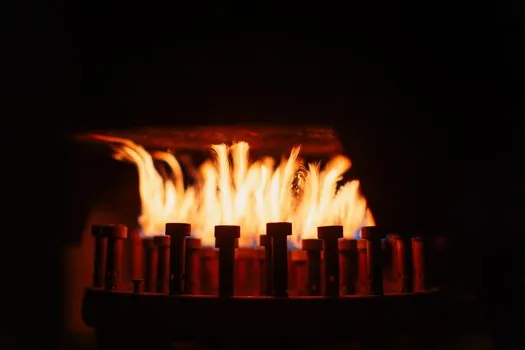
In the UC Berkeley comparison summarized in the Rayteq document, tensile strength, yield strength, and elongation were almost uniformly superior in the electrically melted A356 samples, and the results were subjected to statistical analysis.
This evidence concerns an A356 casting comparison using electric resistance, not induction. It should not be relabeled as an induction trial, although it supports the broader conclusion that electric or induction processes can outperform leakage-prone gas firing on melt cleanliness [S3]. For acceptance testing, compare tensile strength, yield strength, elongation, fracture cleanliness, and dross mass yield rather than relying on furnace temperature uniformity alone.
Best-Fit Applications
Induction melting fits foundries requiring greater melt purity, uniform finished products, precise temperature control, and fewer combustion-related emissions [S2][S4]. The ASM monograph notes that resistance-heated systems have a slower heating rate than gas-fired furnaces but fewer emissions, and it distinguishes their application from production melting of ingots, casting returns, and related aluminum feed [S5].
Gas-fired systems fit capital-sensitive operations with large melt batches, provided the plant can control combustion atmosphere and recover dross economically. Induction is less compelling where the decision is based only on furnace purchase cost, because the comparison must include melt loss, longer processing time where applicable, power infrastructure, maintenance, and the cost of downstream defects [S2].
For small, contamination-sensitive batches, induction is usually the cleaner process. For high-volume melting where the business case tolerates atmospheric controls, a properly sealed and instrumented gas furnace may remain practical. A holding furnace can protect clean aluminum between melting and dosing, but it should not be used to hide poor upstream atmosphere control or excessive dross generation.
Operating Limits and Failure Modes
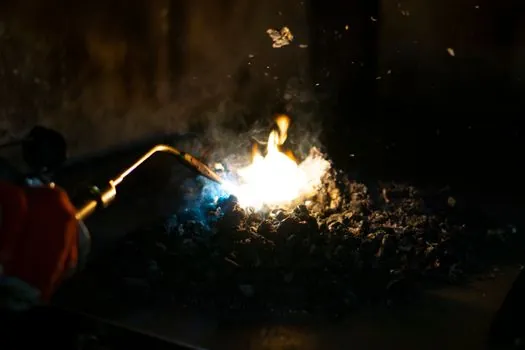
The critical gas-furnace failure mode is loss of atmosphere isolation. Porous seals, positive combustion-chamber pressure, and opening frequency can expose the bath to combustion products, and the Berkeley trial observed this leakage directly [S3]. Higher exposure should be expected to increase the risk of oxide and gas-related defects, although the research provides no universal dross mass percentage or one-for-one relationship between leakage and dross rate.
Measurement discipline is essential because dross yield is a mass-balance result, not a furnace catalog rating. Record charged aluminum, returned ingot or scrap, usable melt, recovered dross, skimmings, and visible oxide skin for each heat. Normalize dross mass to charged metal mass, then track recovered aluminum from dross separately. Operational decisions should use at least a defined charge size, a fixed sampling interval, and the same skim schedule across trials.
For induction, the main limits are electrical demand, heating rate relative to furnace size, and the need to exclude wet charge, dirty tooling, or foreign material that can cause arcing. These are engineering constraints rather than proof of a specific dross figure. Temperature control and stirring must also be tuned to limit bath disturbance and entrainment, because excessively aggressive circulation can introduce oxide even without combustion gases.
Standards, Controls, and Procurement
No dross-rate acceptance limit or universal gas-versus-induction efficiency value appears in the supplied research, so procurement documents should not specify either as a general industry threshold. Instead, require supplier data under a defined aluminum grade, charge condition, target pouring temperature, batch mass, and dross-accounting method. A356 is the only grade explicitly tested in the cited Berkeley comparison [S3].
For gas-fired equipment, include combustion analysis, chamber-pressure control, seal-leak verification, burner commissioning, exhaust-balance provisions, and an aluminum-specific trial in the acceptance plan. For induction equipment, require rated working and power data, heating-capacity confirmation for the specified charge, control-loop performance, refractory and coil maintenance assumptions, and demonstration of repeatable metal recovery [S2][S4].
Use the crucible furnace option when a direct A356 comparison with electric resistance is technically relevant, but keep the labels correct: the cited 80% result is gas-fired versus electric resistance, not gas-fired versus induction [S3]. For induction projects, specify electromagnetic coupling, stirring, power supply, coil protection, and metal-contact cleanliness without assigning a dross percentage that the research does not establish.
Track dross mass per 1,000 kg of charged aluminum, recovered aluminum percentage, visible oxide defects, test-bar property scatter, and furnace energy or fuel consumption for at least 30 comparable heats before and after a process change; those measurements will determine whether induction premium is justified.