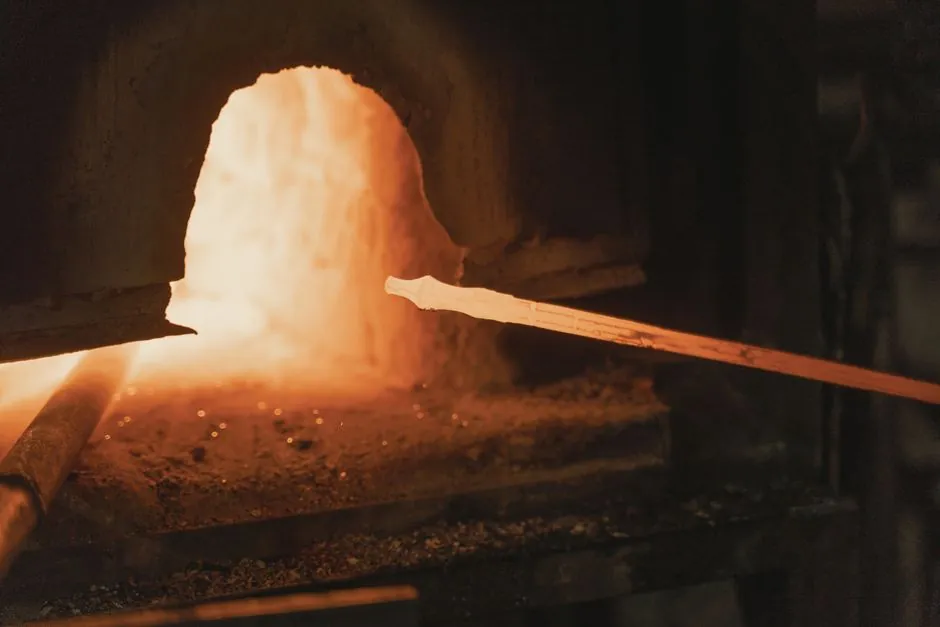
Choose a rotary furnace for dirty, mixed, or painted aluminum scrap when recovery and feed flexibility outweigh higher mechanical complexity.
The comparison covers fixed gas-fired reverberatory furnaces, tilting rotary furnaces, scrap feed, oxidation, salt flux, emissions, operating labor, and capital decisions.
Selection decision for painted scrap
A tilting rotary furnace is a refractory-lined cylindrical vessel that rotates to homogenize the melt and tilts hydraulically to pour, and it is described as suitable for contaminated, low-grade, or heavily mixed scrap [S4].
Do not select either furnace from nominal capacity alone. The decisive data are contamination rate, scrap size distribution, allowable metal loss, fuel and flux cost, operating labor, emissions treatment, and the required ingot quality.
How the two furnace types process the charge
This makes the concept suitable for mixed scrap at large scale, but the open charge remains exposed to combustion products and oxidation.
A rotary furnace uses a refractory-lined rotating vessel. A tilting rotary furnace can decant metal separately from salt slag and dross, which is a major operational advantage over a fixed rotary vessel.
The distinction between a gas aluminum melting furnace and a rotary melting furnace is therefore not simply fuel type. It is the mechanical action applied to the charge: stationary hearth exposure versus rotating, tumbling contact, with optional hydraulic tilting for controlled discharge.
Comparison against scrap, yield, and operating burden
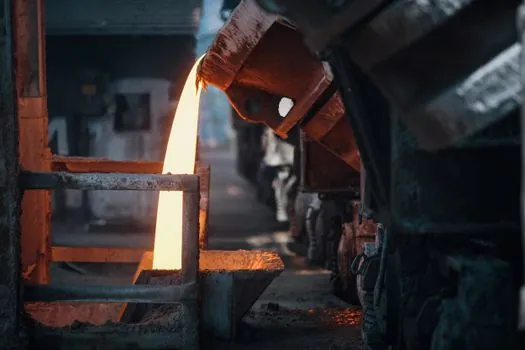
For paint, plastic, and oil residues, the rotary route has the better feedstock tolerance.
The rotary furnace is not automatically the lower-cost installation. Its process benefits depend on sustaining refractory life, managing salt flux, controlling rotation, and removing residues without losing metal. Conversely, a large reverberatory furnace can be justified when feed is predictable, capacity is high, and contamination is moderate.
Painted scrap treatment and energy recovery
Hertwich's multi-chamber furnace can efficiently remelt contaminated scrap, including material with paint, plastic, and oil residues [S2]. That figure is a specific supplier design envelope, not a universal operating limit for every gas-fired or rotary furnace.
Gas-fired systems can recover energy from scrap preheating and gasification of organic compounds. A supplier describes integrated preheating, gasification, internal combustion, and energy recovery as reducing fuel demand, while also allowing contaminated scrap to be processed without a separate afterburner [S2].
For painted scrap, classify the organic loading before selecting equipment. Low, moderate, and high plastic or paint fractions affect heat release, fume generation, refractory exposure, oxidation, and the amount of downstream gas treatment required. Rotary operation improves mixing, but it does not eliminate the need for controlled extraction and treatment of combustion and process emissions [S4].
Salt flux, oxidation, and melt quality
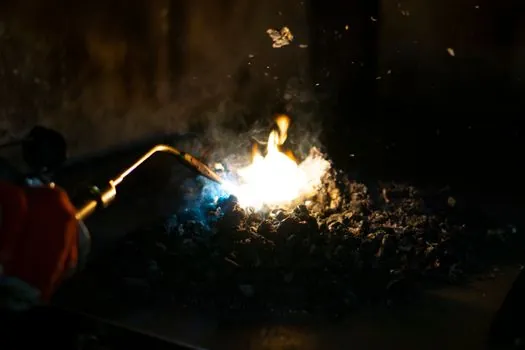
A typical secondary aluminum rotary process charges scrap through a salt layer, then melts and mixes the material under that layer; the furnace acts simultaneously as a smelter and phase separator [S5]. Salt flux assists separation of contaminants and dross from the aluminum, but it introduces salt consumption, corrosive refractory conditions, and a salt-slag disposal stream.
Rotary-furnace lining must tolerate salt flux and repeated thermal cycling. The tilting rotary furnace described by Hormesa is a refractory-lined cylindrical vessel that rotates to homogenize the melt and tilts hydraulically to pour [S4]. This makes refractory maintenance and lining replacement part of the furnace comparison, not an accessory line item.
A fixed gas-fired furnace avoids rotating-vessel wear and hydraulic complexity, but exposed molten aluminum can oxidize, and skimming becomes central to metal recovery. Rotary furnaces are generally specified when better recovery from oxidized material justifies flux handling and residue disposal [S1][S3].
Use-case recommendations and limits
Use a fixed gas-fired reverberatory furnace for clean or moderately contaminated scrap, high-volume remelting, and sites that value simple equipment, direct hearth charging, and established skimming operations.
Use a tilting rotary furnace for dirty painted scrap, low-grade feed, dross, chips, and feed compositions that vary substantially. Its 1–20 ton published range, low reported metal loss, and ability to separate metal from salt slag and dross make it suitable for secondary smelters [S3][S4].
A rotary furnace is a poor shortcut for a plant that lacks flux handling, refractory maintenance capability, residue classification, and suitable emissions treatment. A fixed reverberatory furnace is a poor shortcut for a dirty-scrap stream with high oxidation loss that destroys the required recovery target. Neither route should be selected without a feed trial or representative scrap analysis.
Standards, controls, and procurement evidence
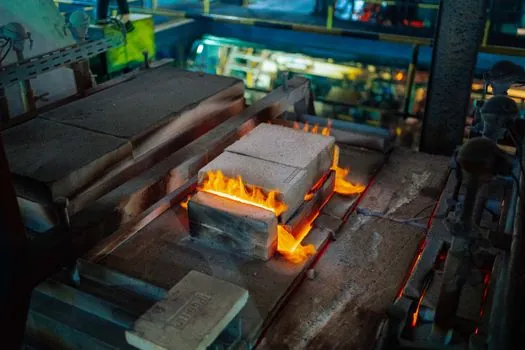
Procurement should require the furnace supplier to state charge capacity in tons, usable charge volume, scrap-size limits, organic contamination limit, melt temperature, rotation speed, burner fuel, burner rating, refractory specification, expected campaign life, flux dosage, dross ratio, metal-loss calculation, and stack-treatment demand.
Also require an emissions-control basis, combustion and furnace safety controls, charging interlock arrangements, hydraulic and rotation-drive redundancy, refractory replacement criteria, and commissioning tests using the proposed scrap mix. Applicable local codes govern gas-fired equipment, pressure systems, workplace exposure, and air emissions, but no project-specific code or certified performance value should be inferred from the cited furnace literature.
For a deeper review of fixed furnace geometry and refractory exposure, compare the fixed option with Tower vs Reverberatory Gas-Fired Aluminum Furnaces.
The next trackable decision point is a mass balance from representative painted scrap: record feed weight, organic content, recovered metal, salt and dross mass, fuel consumption, oxidation loss, and downstream residue treatment before finalizing the furnace order.