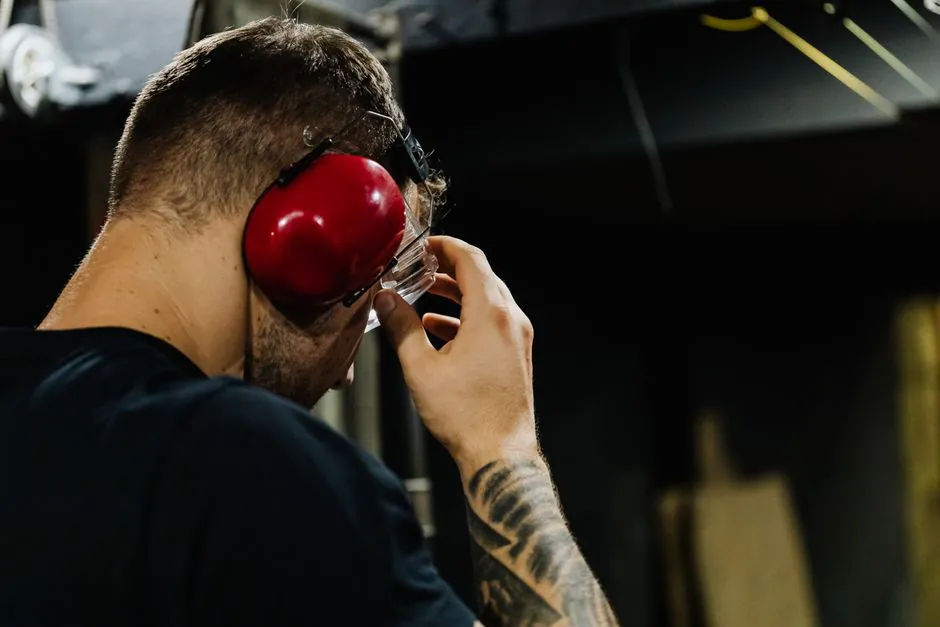
Electrical work spans arc-flash generator rooms, substation commissioning, and 480 V motor-control assembly lines, where steady-state noise from transformers (typically 85–95 dBA), contactors, and switchgear breakers drives the bulk of occupational hearing-loss risk [S1].
Specifying hearing protectors for these environments adds two constraints beyond ordinary industrial PPE: dielectric headbands to prevent current path across the skull during incidental contact, and short-cycle donning because qualified electricians enter and leave energized cabinets dozens of times per shift [S2].
Define the hazard: noise sources in electrical work
Continuous noise in electrical rooms is dominated by 50/60 Hz transformer hum, large rotating generators, and HVAC pull, usually landing in the 80–95 dBA range at 1 m; switching transients from 15 kV vacuum breakers and molded-case breaker operation produce impulse peaks above 130 dB that defeat passive foam plugs alone [S1].
OSHA's hearing-conservation trigger is a TWA of 85 dBA (8 h, 5 dB exchange), with a 90 dBA permissible exposure limit; EN ISO 4869-2:1995 supplies the A-weighted "effective protected" SPL calculation that European specifiers use to convert ambient measurements into required protector attenuation [S5]. NRR derating matters: under NIOSH's NRR-subtraction method the field attenuation is roughly (NRR − 7) ÷ 2 for dual protection, which collapses a 28 dB NRR banded plug to ~10.5 dB of effective noise reduction in real use [S2].
Selection criteria that actually matter on the floor
Dielectric rating is the first gate: the 3M E-A-Rflex 28 banded protector lists "Dielectric: No" in its published spec sheet, meaning its headband is not certified non-conductive, so it must be excluded from any task with inadvertent-contact potential to energized busbar [S2]. For dielectric applications the spec should call out explicit "dielectric" or "non-conductive" headband construction, which eliminates most generic banded and over-the-head muffs unless the manufacturer publishes the rating.
Comfort-versus-wear-time is the second gate. 3M's own selection guidance states that if protectors interfere with hearing or are uncomfortable, wear time drops and effective protection collapses; the firm's E-A-Rsoft line uses softer polyurethane foam specifically to raise insertion comfort over long shifts [S1]. Hot switchgear rooms rule out heavy over-the-head muffs; lightweight banded or reusable push-to-fit plugs are the practical answer, with banded HPDs marketed to "people who fit and remove their hearing protection frequently" [S2].
Communication and situational awareness are the third gate. Modern electronic muffs like the 3M Pro-Protect Wireless deliver 26 dB NRR (25 dB with hard hat), level-dependent active microphones, and Bluetooth telephony with 60+ hour battery life, addressing the recurring complaint that electricians cannot hear a partner shouting "clear" through passive muffs [S4].
Comparing the three dominant protector types for electrical work
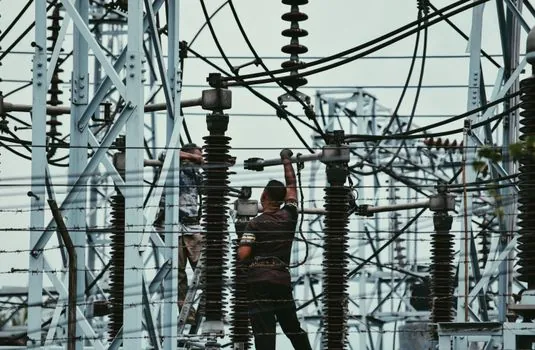
Foam earplugs (e.g. 3M E-A-R Classic, PVC foam, moisture-resistant) win on low weight, hygiene, and cost; they are inherently dielectric because the head contact is zero, and they tolerate sweaty switchgear rooms better than muffs [S1]. Their weakness is donning speed and the hygiene penalty when workers' hands are gloved or dirty.
Banded semi-aural protectors like the E-A-Rflex 28 (NRR 28 dB, cone foam tips, yellow, reusable) sit on the neck and pivot tips for consistent seal; CSA Z94.2 Class AL compliance is published, but the dielectric column is blank, so they fit mechanical-room and outdoor substation work, not energized-cabinet tasks [S2]. The 3M WorkTunes AM/FM electronic muff at NRR 24 dB adds entertainment/radio for long cabling or panel-build shifts, though it is currently listed out of stock on major retail channels [S3].
Electronic earmuffs such as the 3M Pro-Protect (NRR 26 dB, 25 dB with hard hat) bring active level-dependent microphones, hard-hat compatibility via P3EG-PK adaptor, and 60+ hour battery life with 4-hour auto shut-off, making them the high-information option for commissioning crews who must hear alarms, radio calls, and partner speech through the protection [S4].
Use cases and who each type is for (and is not for)
Inside energized cabinets and during voltage verification on open panels, dielectric over-the-head muffs with published electrical-insulation ratings are the only acceptable option, and foam earplugs often complement them for dual protection. 3M's selection guidance explicitly cites dual protection as the answer for high-TWA exposure [S1].
For panel builders, control-cabinet wiremen, and motor-terminator crews who work in 75–85 dBA ambient with short-duration peaks, foam plugs or banded protectors (non-dielectric OK because contact risk is low) maximize comfort and donning speed. The E-A-Rflex 28 is explicitly marketed to "people who fit and remove their hearing protection frequently", which describes electricians walking from bench to test bay repeatedly per hour [S2].
For commissioning teams walking down switchgear rooms, substations, or generator halls where radio traffic and verbal lockout-tagout calls must pass through the protection, electronic muffs (Pro-Protect class, 26 dB NRR, level-dependent microphones, Bluetooth) are the right tool; passive muffs of equal NRR will suppress the speech cues that make coordinated work safe [S4].
Standards, compliance, and calculation method
EN ISO 4869-2:1995 (incorporating corrigendum June 2007) is the published method for estimating the A-weighted SPL actually reaching the ear when protectors are worn, used for European PPE selection and CE marking under the PPE Regulation [S5]. NIOSH's NRR derating is the de-facto U.S. method, with the OSHA/MSHA-style (NRR − 7) ÷ 2 cut for field estimates. ANSI S3.19-1974 (referenced as "ANSI S3.1974" on the E-A-Rflex spec sheet) is the U.S. attenuation-measurement standard that produces the printed NRR [S2].
Canadian specifiers should also note CSA Z94.2 Class AL, which the E-A-Rflex 28 datasheet lists, while for U.S. users OSHA 29 CFR 1910.95(i) mandates hearing-conservation program enrollment above the 85 dBA TWA action level. EN ISO 4869-2:1995 remains the reference document for translating measured ambient SPL into "effective protected" level at the ear [S5].
Failure modes and what derates real-world protection
Mis-sized earplugs and improper insertion cost more attenuation than any other factor; that is why 3M's selection write-up tells safety managers to "provide several sizes of earplugs" so workers can find a tight but not painful fit [S1]. Hygiene failure on dirty gloves contaminates foam tips and degrades the seal, which is the rationale for push-to-fit and banded designs with stems or pivots that keep fingers off the inserted surface [S1][S2].
Earmuff cushion degradation silently lowers attenuation; 3M publishes a 3M Worktunes Hearing Protector Replacement Hygiene Kit specifically to maintain "acceptable noise reduction, hygiene, and comfort" on its electronic muffs, signaling that worn foam is a known wear-out path rather than a cosmetic issue [S4]. In hot switchgear rooms, sweat-soaked muff cushions also slide and break the seal, so the dielectric-muff spec must be paired with a hygiene-replacement schedule.
Practical sourcing signals for 2026
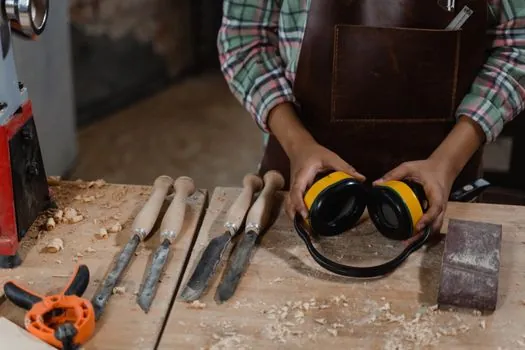
3M's published product range for the electrical / facility-maintenance channel in mid-2026 covers foam plugs (E-A-R Classic, E-A-Rsoft), the 28 dB E-A-Rflex banded protector at roughly $1,092 per case of 100 (Fisher Scientific list, 2026-07-20 snapshot), the 24 dB WorkTunes AM/FM electronic muff, and the new 26 dB Pro-Protect Wireless electronic muff with hard-hat compatibility [S2][S3][S4]. A 3M selection guidance page updated 2026-07-20 explicitly lists "Electrical" among the application tags for the E-A-Rflex 28 alongside assembly, blasting, and welding, which is a useful traceable signal for procurement [S1][S2].
For related protective-equipment selection logic on adjacent jobs, see the confined space protective clothing 2026 spec map and the hearing protector selection for construction sites guide for cross-task comparison. For the underlying PPE class, the hearing protector encyclopedia entry collects the type taxonomy used in this article.
The underlying component specifications are covered under aerial work platform, and aerial work truck.
