
A heat detector is a notification appliance that alarms in seconds when ceiling temperature crosses its rating; a sprinkler system is active suppression that opens a single head and discharges water at the fire source. Sprinkler heads activate individually in response to heat rather than smoke or vapor, with each head releasing only when the heat from a fire reaches a certain temperature threshold at that head [S2].
Both technologies are heat-triggered, but the decision between specifying a heat detector only, a sprinkler only, or both depends on the response time you need, the cost of a false activation, and whether the building is occupied. Fire panels can take a waterflow alarm from a sprinkler as long as 90 seconds after the head opens, while a fixed-temperature or rate-of-rise heat detector produces an instant, unverified alarm that can drive elevator recall, HVAC shutdown, and door release before suppression engages [S3][S4].
Trigger Mechanism and Response Time
Sprinkler heads are thermal fusible-link or glass-bulb devices that open only when the local ceiling temperature at the head exceeds a rated threshold, which is why a single cigarette, a vape cloud, or burnt toast will not discharge a sprinkler [S1][S2]. Heat detectors, by contrast, are electronic sensors (fixed-temperature, rate-of-rise, or combination) wired to a fire alarm control panel; rate-of-rise units typically trip on a 12-15 F per minute rise, faster than most sprinklers will open on pure conduction [S3].
The response-time gap is operationally important: a heat detector in an elevator machine room is specified to fire before the sprinkler, so the shunt-trip breaker can drop power before the 30-50 gpm sprinkler flow in the hoistway wets the motor and brakes [S3]. For a hospital, dormitory, or nursing home, that instant alarm is the difference between orderly evacuation and a delayed waterflow signal that arrives after the fire has grown. Sprinklers are the suppression workhorse, but they are not the fastest detector on the wall.
Temperature Ratings: 135-250 F Sprinkler Classes vs 57 C Detector Baseline
Sprinkler temperature classes are codified in NFPA 13 and split into three bands: ordinary 135-170 F (57-77 C) for offices and dwellings, intermediate 175-225 F (79-107 C) for kitchens and boiler rooms, and high-temperature 250 F (121 C) and up for attics, factories, and warehouses [S2][S5]. The 68 C / 155 F sprinkler rating traces back to early solder-link patents and remains the default ordinary-class ceiling for most commercial builds [S5].
Heat detectors typically rate lower, around 57 C / 135 F, because they need to trip before a sprinkler to drive early-warning functions like elevator recall and damper closure [S5]. Specifying a detector at or above the sprinkler rating creates a sequence failure: the head opens, water flows, and the alarm panel has not yet latched. The rule of thumb engineers carry into bid reviews is detector rating plus 20-30 F margin below the nearest sprinkler rating, then verified against the ceiling's maximum ambient. For an attic peaking at 120 F in summer, that pushes you into high-temp sprinklers and a correspondingly higher detector setpoint.
Detection vs Suppression: What Each System Actually Does
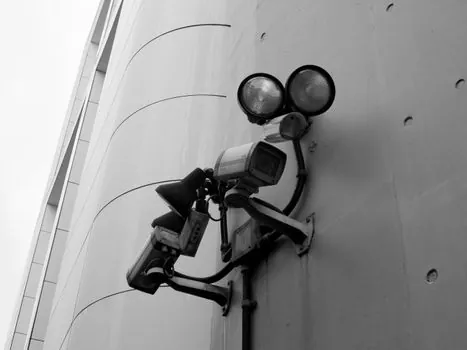
A heat detector is part of the fire alarm system: it sends a signal to the FACP, which can trigger notification appliances, recall elevators, shut down air handlers, release magnetic door holders, and transmit to a monitoring station [S4]. A sprinkler system is part of the suppression system: when a head opens, a waterflow switch on the riser closes, and that switch is wired back to the same FACP as a fire alarm point [S4]. The two systems are physically separate but logically coupled, which is why a waterflow test exercises the alarm panel, the notification circuits, and the monitoring transmission at the same time.
The false-activation cost is asymmetric. A spurious heat-detector trip costs you an evacuation drill, a service call, and maybe a reset fee; a spurious sprinkler discharge costs you water damage to stock, IT gear, and tenant space, plus a multi-day system restart [S5]. That is why detector trip points are intentionally conservative and sprinkler ratings are intentionally conservative, but sprinkler ratings are tuned higher so nuisance trips are rarer, even at the price of slower response. Engineers writing spec notes for kitchens, lift shafts, and electrical rooms set detector trip points below the sprinkler rating by design.
Decision Matrix: When to Specify Heat Detector, Sprinkler, or Both
For unoccupied spaces with no smoke risk, mechanical rooms, elevator machine rooms, and cold-storage warehouses, a rate-of-rise heat detector is often specified instead of smoke detection, because the ambient can be dirty, humid, or cold, and a smoke detector would nuisance-trip. A sprinkler is added when the fuel load justifies water suppression, and the detector still goes in to drive elevator shunt-trip before the head opens [S3].
For occupied commercial, multifamily, hospital, and school occupancies, both are required in most US jurisdictions: smoke detection for early occupant warning, sprinklers for property protection and life safety under NFPA 13 and NFPA 72. The fire panel integrates the two systems, treating a waterflow switch as an alarm point and a tamper switch as a supervisory point [S4]. For light-hazard offices, a wet-pipe sprinkler at 135-170 F with smoke detection on the notification side is the most common pair; for storage occupancies with high piled combustible stock, high-temp sprinklers at 250 F or higher are paired with faster-acting detection, and prewetting deluge systems may be added where ceiling-only sprinkler coverage cannot reach the base of a fire [S2][S5].
Failure Modes and Integration Gotchas

Closed control valves are the silent-failure mode most often missed: a valve can be closed for maintenance and never reopened, and the dry-pipe system looks identical pressurized or not [S4]. Tamper switches report this as a supervisory signal, not an alarm, so a building owner who silences supes without a work order can leave a sprinkler system incapable of delivering water when a head eventually opens. NFPA 25 inspection cadence and the FACP's separate supervisory LED are the audit trail.
Waterflow alarm delay is the second gotcha: from head open to FACP alarm is typically 30-90 seconds depending on system type, because the water has to physically move the vane switch on the riser [S3]. That is fine for occupied buildings where the sprinkler itself is doing the suppression work, but it is why elevator machine rooms, IT closets, and other high-value single-point failures get a dedicated heat detector that trips the shunt-trip before the sprinkler discharges. Mis-wiring the waterflow switch as a supervisory point instead of an alarm point is a common inspection defect, and FDNY-flagged on Certificate of Occupancy reviews [S4].
Related Reading
For dust-loaded environments where ionization and photoelectric smoke detectors nuisance-trip, the sensing-tech trade-offs in this dust detector selection guide line up against the heat-detector choice covered above. Plant safety planners wiring alarm-panel outputs to machine stops will also want the safety relay pricing map for sizing the relay contacts that ride on the heat-detector loop. Two-hand machine controls, which often share the same fire-panel integration pattern, are broken down spec-first in the two-hand control buying guide. [S4]
Next trackable signal: the upcoming NFPA 72 and NFPA 13 revision cycles, which historically revisit detector trip-point margins, ordinary-class ceiling temperature allowances, and the waterflow-switch-to-FACP delay assumption. Engineers should also monitor their AHJ's adoption timeline for any updates to the elevator-shunt-trip sequencing rules, since those rules directly govern whether a heat detector in the machine room must still be specified below the nearest sprinkler rating.
For component-level specifications, see heat treatment furnace.