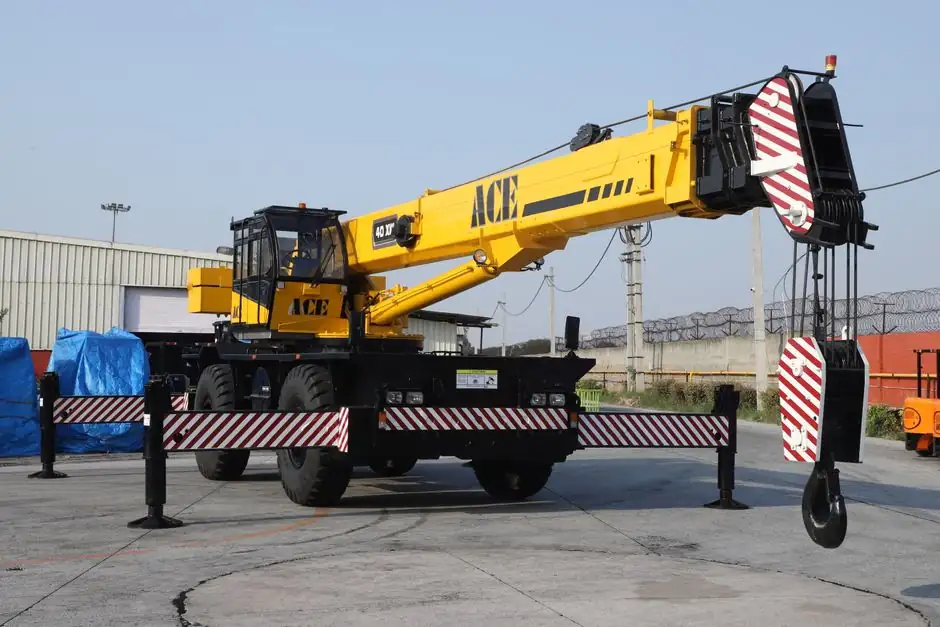
A high-seat truck-mounted crane places the operator beside the boom, while a ground-control crane leaves the operator on the ground near the outriggers. Both configurations can support lifting, but access, sightlines, setup time, and operating workflow determine the better choice.
This comparison covers truck-mounted cranes with high-seat and ground-control arrangements, including their suitability for construction, material handling, confined work areas, and jobs requiring repeated elevated repositioning.
High-Seat and Ground-Control Crane Configurations
The two arrangements answer different operating problems. High-seat systems suit crane operators who need close coupling between boom movement and load control. Ground-control systems suit teams requiring easier boarding, clearer separation between personnel and the outrigger area, or the ability to operate from a more accessible position around the vehicle.
A truck-mounted crane is the relevant equipment class for this comparison; self-propelled crawler, rough-terrain, and tower-mounted cranes solve different mobility and setup problems. For mobile lifting from a road vehicle, the decisive distinctions are operator position, working-envelope management, and site access.
Selection Criteria: Access, Visibility, and Setup
Visibility depends on the actual installation. A high seat can provide a direct boom view, but obstructions such as the truck body, cargo, or nearby structures may still block the load. Ground control reduces dependence on looking past the boom, although the operator must monitor the load through the available sightline, camera system, or working practice.
Setup time also differs by configuration. High-seat arrangements can keep the operator within the crane's operating layout, reducing movement between the vehicle and the controls. Ground-control systems require the operator to descend or use a separate access route, but the ground position can simplify entry, service, and operator rotation during short lifting cycles.
High-Seat Crane: Best for Elevated Work and Direct Boom Control
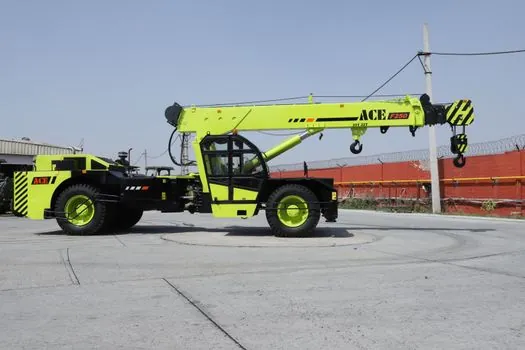
High-seat truck-mounted cranes are strongest where the operator must make frequent fine adjustments while monitoring the boom, hook, and suspended load from an elevated position.
This configuration is less suitable when the operator must repeatedly enter or leave a compact truck-mounted platform, work beside active traffic, or operate where the elevated station has poor visibility. A high seat also adds operator access complexity, and the safe working position still depends on the vehicle, boom, stabilizers, and site rules.
For typical contractor use, choose the high-seat arrangement when the work is boom-intensive, the operator remains at the controls for sustained periods, and the vehicle can provide a stable, protected operating position. It is less attractive for frequent stop-and-go delivery work where fast cab access and minimal boarding effort carry greater weight.
Ground-Control Crane: Best for Fast Access and Low-Profile Operation
Ground-control truck-mounted cranes favor operators who need to remain on the ground while the boom and load operate from the vehicle.
Ground control is a better fit for short-duration lifts, delivery work, and operating environments where climbing to an elevated cab is inconvenient or undesirable. It can also simplify operator handover because a replacement operator can reach the control station directly. The trade-off is less physical proximity to the boom, which may require greater attention to load clearance, signals, and communication with site personnel.
Choose ground control when low-profile access, rapid entry and exit, and separation from the elevated operating position outweigh the benefits of direct boom-level visibility. It is a common solution for mobile lifting and short-cycle material handling, while high-seat cranes remain preferable for continuous boom-led operation.
Comparison of High-Seat and Ground-Control Options
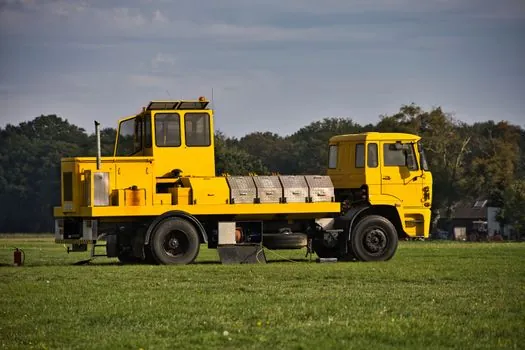
On operator access, high-seat cranes require climbing into an elevated station, while ground-control systems keep the operator at ground level beside the vehicle.
On setup workflow, the high-seat arrangement concentrates the operator within the machine, whereas ground control separates access from the crane's elevated structure. On long-duration boom work, the high-seat configuration has the clearer advantage. On frequent mounting, dismounting, short lifts, and operator rotation, ground control is usually easier to deploy.
Neither layout changes the fundamental stability requirements: outriggers, ground bearing pressure, allowable crane configuration, rated capacity, radius, and lift-plan restrictions remain governing constraints. If a job involves a crawler crane because the truck cannot establish a safe setup, the operator-position decision is secondary to selecting a machine with an adequate working envelope.
Use Cases and Operating Constraints
High-seat systems fit construction work involving repeated boom articulation, elevated operator visibility, and sustained supervision of a suspended load. Ground-control systems fit truck-based deliveries, yard movements, and short lifting cycles where operators need frequent access to the controls and minimal elevation above the work surface. [S3]
Both configurations require exclusion of personnel from hazardous zones around the load, outriggers, and suspended rigging. The operator must also account for boom geometry, ground conditions, vehicle stability, equipment rating charts, and communication with banksmen. A ground-control position does not make the crane's operating envelope larger, and a high seat does not remove the need for a controlled lifting plan.
For mobile lifting tasks that also involve substantial concrete placement, a truck-mounted concrete pump has a different function and should not be substituted for a lifting crane. The same distinction applies to a concrete mixer truck, whose body and drivetrain requirements do not define crane-control selection.
Procurement Check Before Ordering
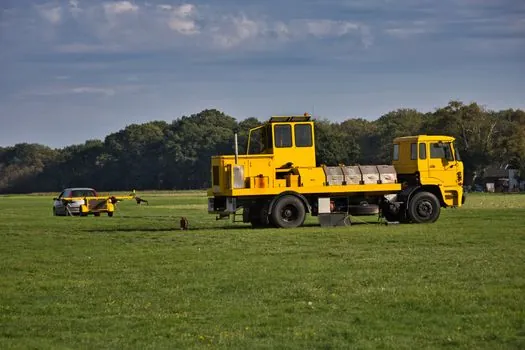
Specify the operator station by working scenario, not by appearance alone. Record whether the operator will remain at the controls for more than 30 minutes, climb and descend more than several times per shift, supervise the load from an elevated seat, or work beside constrained access routes. Then verify seat access, control reach, glazing, camera coverage, anti-slip provisions, and emergency operator positioning against the intended work. [S3]
For commercial comparison, request drawings showing the operator position relative to the boom, chassis, stabilizers, and allowable access zones. Also obtain the rated-capacity charts for the proposed boom lengths and radii, vehicle stability requirements, outrigger spread, power supply, and the applicable local inspection regime. A high-seat crane is the stronger choice for sustained elevated boom work; ground control is the stronger choice for quick access and ground-level operation.