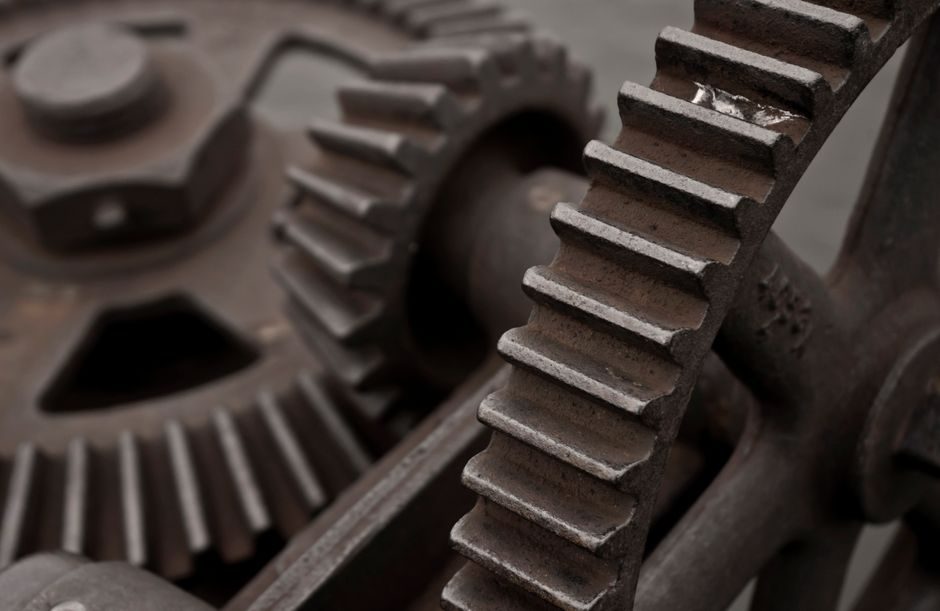
For zinc and Zamak hardware, a hot chamber die casting machine cycles in under one second on small zinc fittings, while a large hardware casting can still finish in 2 to 3 minutes per shot, with machine locking force ranging from 16 t to 180 t for hot chamber builds [S3][S4].
The 2026 sourcing landscape lists 1,246 hot chamber die casting machine suppliers on Alibaba and a dense cluster on Made-in-China.com, dominated by Guangdong and other coastal Chinese OEMs offering 20 t zinc-alloy high-pressure units as a baseline model [S1][S2][S4].
Why Hot Chamber, and Why Not Cold Chamber, for Hardware
Hot chamber machines immerse the injection plunger and gooseneck directly in the molten metal bath, so they are restricted to lower-melting alloys — zinc, magnesium, lead, and low-tin brasses — that do not aggressively dissolve the iron pot, nozzle, and plunger [S3]. A cold chamber machine is mandatory for aluminum and high-melting copper alloys, where the melt attacks the immersion hardware.
For hardware buyers running zinc or Zamak fittings, lock cases, or fastener inserts, the hot chamber architecture delivers shorter cycle time, lower specific energy per shot, and a more compact cell footprint than an equivalent-tonnage cold chamber [S3]. For anyone sourcing an aluminum die casting machine instead, the entire injection path has to be re-engineered and the gooseneck submerged-melt principle no longer applies.
Tonnage, Platen, and Shot Weight: the 2026 Sizing Bands
HYBERS' published 2026 product line covers 16 t to 180 t of locking force for hot chamber machines and 25 t to 2,500 t for cold chamber machines, which is the clearest public reference band a hardware buyer can quote into an RFQ [S4]. The Made-in-China catalog lists a 20 t zinc-alloy high-pressure unit as a common entry point for small hardware and toy-grade components [S1].
Match tonnage to projected part area × alloy-specific injection pressure, not to shot weight alone. A 20 t machine is appropriate for thin-wall zinc lock housings and small brackets; 80 t to 160 t covers mid-sized hardware such as door furniture, faucet bodies, and connector shells; 180 t sits near the upper bound for traditional hot chamber hardware work and is normally only used when platen size, not locking force, is the binding constraint [S1][S3][S4].
Platen size and tie-bar spacing govern footprint, not tonnage. If your hardware part is a wide, flat cover rather than a deep boss, the same tonnage machine may reject it on daylight or tie-bar clearance, so pin platen dimensions in the RFQ alongside locking force.
Injection Group and Gooseneck: Where Failure Actually Starts
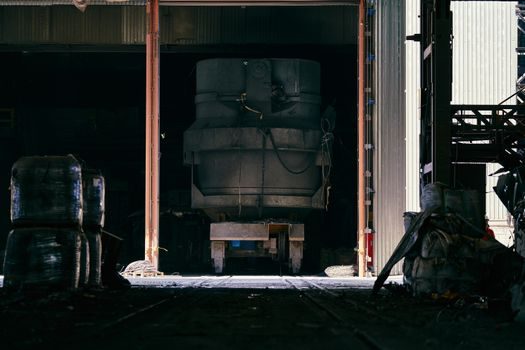
The hot chamber injection group — gooseneck, nozzle, plunger, and shot sleeve — is submerged in the melt and is the dominant wear item, so material selection here drives mean time between overhauls more than the press frame does [S3]. HYBERS and other 2026 Chinese OEM lines market dedicated hot chamber models separately from cold chamber lines, reflecting how the injection group is engineered as a unit, not a retrofit [S4].
For zinc-only runs, standard cast-iron goosenecks with hardened plungers are adequate. For magnesium hardware, demand a gooseneck material and plunger surface treatment the OEM has actually documented for Mg service, because molten magnesium attacks unprotected ferrous hardware aggressively [S3]. A magnesium die casting machine cell is not just a zinc cell with different melt — the sealing, shot geometry, and safety envelope are different by design.
Process Variants Hardware Buyers Should Know
Hot chamber work splits into traditional horizontal machines and multi-slide (also called rotary or four-slide) machines, where the die geometry is built around sliding inserts instead of a single parting line. Multi-slide is the right choice for hardware with undercuts, side holes, or threaded features that would otherwise need complex slides in a traditional die [S3].
Multi-slide suppliers named in the 2026 market include Techmire, Dynacast, Triad Speedcaster, Lama Automation, and Fishercast, while traditional hot chamber machine builders include Frech, Idra, Italpresse, Weingarten, Triulzi, NTP, Prince Machinery (Buhler Prince), HPM, National, Toshiba, KDK, and LK Machinery [S3]. Chinese OEM entries on Made-in-China and Alibaba overlap heavily with the traditional machine tier, with Guangzhou Liyi Hardware & Machine Co. and HYBERS as typical 2026 catalog vendors [S1][S4][S5].
If the part has no undercuts and the cosmetic side faces the stationary platen, a traditional two-platen hot chamber machine is the lower-cost path. For vacuum-assisted casting on hardware that needs reduced porosity — for example, safety-critical lock cylinders — confirm that the OEM offers a sealed shot sleeve and vacuum valve package, not just a generic "vacuum-ready" label on the datasheet.
Who Hot Chamber Is For, and Who It Is Not For
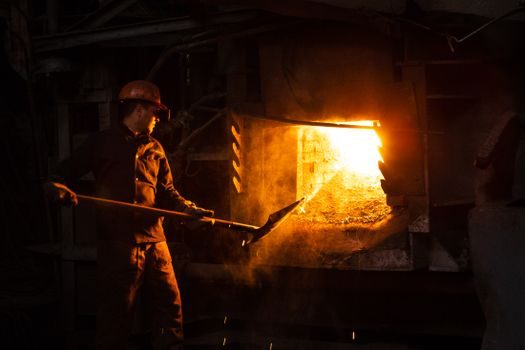
It is the right call for: zinc and Zamak hardware under roughly 5 kg per shot, magnesium hardware up to the tonnage band the OEM publishes, lead and tin alloy hardware, and high-volume fittings where cycle time under 1 second on small parts is a hard requirement [S3][S4].
It is the wrong call for: aluminum alloy hardware, large brass or bronze fittings, and any component with a wall section or mass that demands a 2,500 t cold chamber press — those belong on a gravity die casting machine or a die casting machine of the cold chamber class, not on a hot chamber build, regardless of what the Alibaba listing claims [S1][S3][S4].
Selection Criteria Comparison: Traditional vs Multi-Slide vs Vacuum Hot Chamber
Traditional two-platen hot chamber: lowest capital cost, widest OEM base, simplest die setup, best for cosmetic hardware with a single parting line. Limitation: poor fit for undercuts and side holes; shot weight capped at the machine's published spec, normally a few kilograms per cycle on 80 t to 160 t units [S3][S4].
Multi-slide hot chamber: handles undercuts and complex geometry without external slides, faster cycle on small precision hardware, higher die cost. Limitation: die build is specialized, vendor list is narrower, and not every Chinese OEM supports it — Western names dominate the multi-slide tier [S3].
Vacuum hot chamber: cuts porosity and gas inclusion, important for safety-critical or pressure-tight hardware. Limitation: longer cycle due to evacuation, more sealing wear, and a smaller supplier pool; confirm vacuum level, leak rate, and valve maintenance interval in writing before signing the PO [S3].
RFQ Specs a Hardware Buyer Should Pin Before Quoting
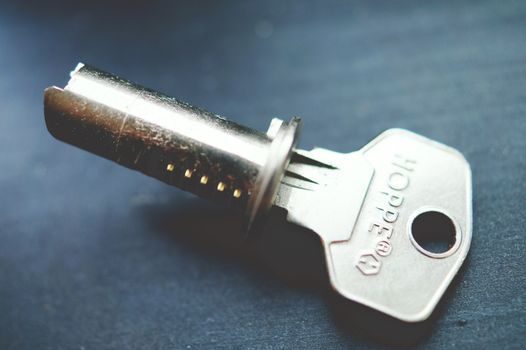
Locking force (t), platen size, tie-bar spacing and daylight, shot weight (max and recommended), injection stroke, injection pressure, die height max/min, ejector stroke and force, and the OEM's published cycle time at the project's planned shot weight — not the headline number from a marketing flyer [S3][S4].
For the injection group, ask for the gooseneck material grade, plunger diameter and surface treatment, shot sleeve material, and the OEM's recommended mean number of shots between gooseneck replacement, since that single line drives spare-parts budgeting for the cell [S3]. For automation, the SCARA-robot tending side is covered in detail in this SCARA robot selection guide for 2026 specs, and the broader hardware angle — pump and valve bodies — is mapped separately in this hot chamber die casting machine selection for pump and valve hardware reference.
2026 Supplier Signal: Where the Catalog Is Moving
On 2026-08-01, the public Made-in-China directory still anchors on 20 t zinc-alloy high-pressure units as the catalog hero SKU, while the Alibaba hot chamber machine category reports 1,246 matching suppliers with the majority flagged as Chinese Mainland OEM/ODM [S1][S2]. HYBERS publicly publishes both its 16 t to 180 t hot chamber range and 25 t to 2,500 t cold chamber range on its corporate page, giving buyers a clean cross-reference band for budget scoping [S4].
For a deeper view on how alloy selection interacts with die life, the alloy steel selection for mold and die making grade map reference covers the die-side materials that sit on the receiving end of a hot chamber injection shot. Verifiable next nodes: pull at least three OEM datasheets covering tonnage, platen, and shot weight in the same units, and request a documented gooseneck-replacement shot count before placing the order — the spread between the lowest and highest published hot chamber cell cost in 2026 is wide enough that an unvetted datasheet will mislead a hardware budget by a factor of two or more [S1][S2][S4].