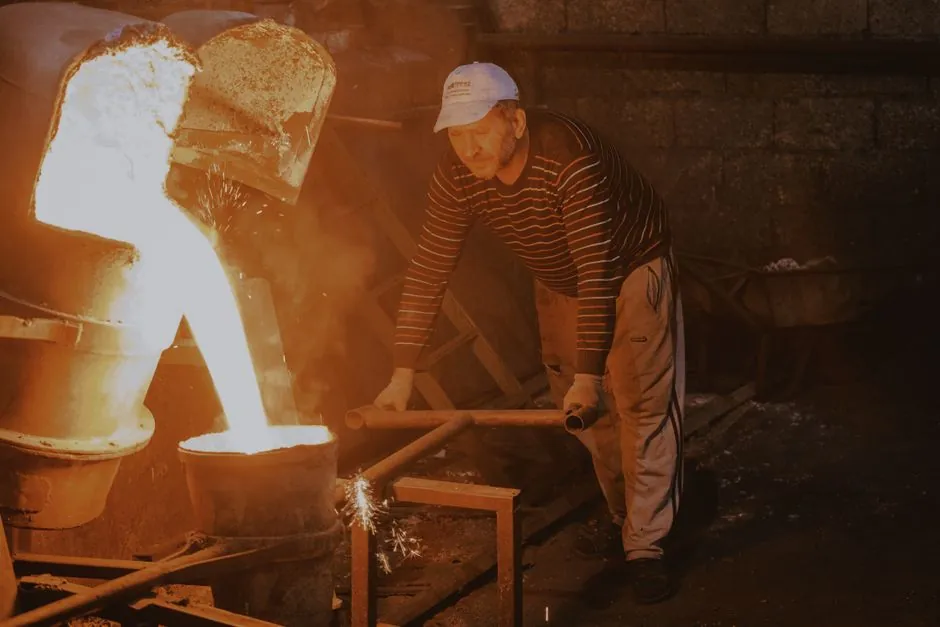
Hot chamber die casting is normally the correct process for zinc: it keeps the molten metal in an integrated pot, supports faster cycles, and is suited to small, high-volume components [S1][S5].
Cold chamber die casting heats metal in a separate furnace and transfers it to a pressurized injection chamber, making it more appropriate for higher-melting-point alloys and larger or structurally complex parts [S1][S2].
Process Architecture and Metal Supply
A hot chamber machine contains the furnace and injection system as an integrated arrangement connected through a gooseneck. Molten metal enters the injection chamber directly from that supply, and a hydraulic piston displaces the metal into the die [S1][S4]. This arrangement reduces metal-handling steps and supports rapid repeated injection.
A cold chamber machine separates the molten-metal supply from the injection system. The metal is melted in an external furnace, ladled into the machine, and forced into the die by a pressurized plunger [S1][S2]. For zinc applications, the hot chamber machine is therefore the normal architecture, while a cold chamber machine adds furnace transfer, metal-temperature control, and handling considerations.
One source describes a typical hot-chamber cycle as 15–20 minutes, but that figure is not a machine shot-cycle specification and should not be used for production balancing [S2]. A separate hot-chamber technology page reports a proprietary multi-slide aluminum process reaching up to 10 cycles per minute, but that capacity is specific to that process and cannot be transferred to a zinc machine [S5].
Material Suitability and Part Scope
Hot chamber is the natural selection for zinc, tin, and lead alloys because these lower-melting-point metals remain in the machine-connected melt pot [S1][S2]. The same arrangement serves small to medium components, including consumer-electronics housings, automotive parts, and household-appliance parts produced at high volume [S1].
Cold chamber is the established route for aluminum, magnesium, and copper, which are melted externally before ladling and injection [S1][S2][S4]. Although zinc can technically be injected through a cold-chamber arrangement, the external furnace and transfer steps remove a principal advantage of the hot-chamber process without providing a material-temperature advantage for zinc [S8].
For a zinc part with a stable section thickness, smooth surface requirements, fine features, and a high annual demand, hot chamber offers the stronger engineering case. Use cold chamber only when the part is unusually large, the wall or feature geometry exceeds hot-chamber capability, the proposed equipment and tooling are already cold-chamber based, or an external melting and dosing system is required [S1][S6].
Cycle Time, Automation, and Production Fit
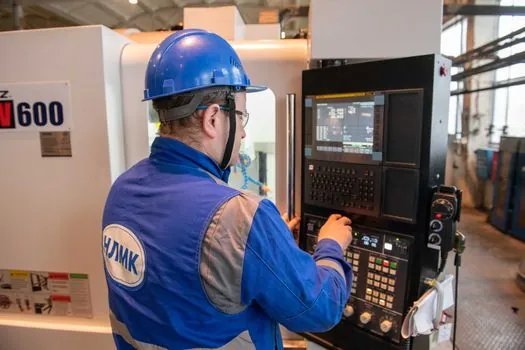
Hot chamber generally produces shorter cycles because molten metal is continuously available within the machine rather than transferred from an external furnace for each shot [S4][S5]. Continuous flow also supports automation, repeatability, and high-volume production of small, intricate parts [S5]. The zinc die casting machine category is consequently dominated by hot-chamber equipment for normal zinc-alloy production.
Cold chamber adds a metal-transfer operation, and molten metal may cool before injection [S4]. Its advantage is not shorter cycle time. It is broader process applicability, particularly where the alloy needs higher temperature, faster solidification behavior, or injection pressure beyond the practical envelope of a hot chamber [S1]. For production planning, measure actual cycle time at the selected machine and tooling configuration rather than relying on generic machine-class claims.
Hot chamber also tends to reduce metal waste and can avoid the minimum-shot-weight constraint listed for the process [S5]. These features matter when a part has modest volume or when residual metal would create unnecessary handling and remelt cost.
Tolerance, Surface, Porosity, and Tool Life
Hot-chamber benefits include tighter tolerances, reduced porosity, longer die life, lower tool costs, and suitability for thin-walled parts [S5]. These benefits are linked to the use of suitable alloys that do not erode or dissolve machine components under heat and pressure [S5]. The result is a compact process with less exposed transfer hardware and fewer opportunities for oxide-related inclusions.
Cold chamber can produce dense castings because higher injection pressure and faster injection are available [S4]. However, metal transferred from an external furnace can acquire oxides and other contaminants [S4]. The external melt pot also separates the melt from injector components, which addresses corrosion problems associated with certain alloy combinations [S8].
The comparison must remain alloy-specific. A statement that cold chamber creates denser parts than hot chamber is a general process comparison, not proof that a cold-chamber zinc casting will outperform a properly controlled hot-chamber zinc casting. For zinc, judge porosity from process controls and part validation, not chamber name alone. Trials should compare fill consistency, surface condition, weight variation, porosity, dimensional capability, and die condition under the proposed production route.
Decision Matrix for Zinc Programs
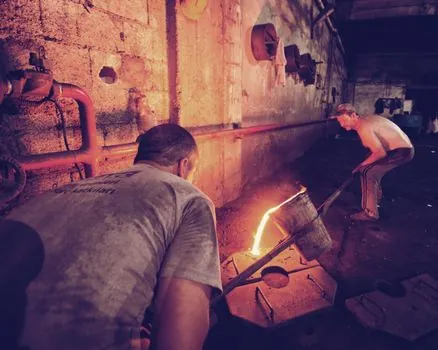
Material handling is the clearest criterion: hot chamber integrates furnace and injection through the gooseneck, while cold chamber uses an external furnace, metal transfer, and a separately dosed shot [S1][S2]. Cycle-time advantage favors hot chamber because the melt is continuously available and fewer handling steps are required [S4][S5]. Part-size flexibility favors cold chamber for larger and more structurally complex components [S1].
Select hot chamber for zinc unless one of the cold-chamber conditions is demonstrated by the part geometry, alloy specification, or validated machine trial. Select cold chamber for zinc when the part is outside proven hot-chamber capacity or when an external furnace and dosing architecture is already specified. Do not select cold chamber merely because it is commonly associated with large castings [S1][S6].
Failure Modes and Commissioning Checks
Hot-chamber risk concentrates in the molten-metal path. Gooseneck immersion, nozzle condition, metal temperature, and pressure control can affect fill consistency and melt exposure. The related analysis of gooseneck versus shot sleeve design is relevant because the injection-system architecture changes the wear and maintenance burden of the machine. [S4]
Cold-chamber risk concentrates in transfer and metal quality. Ladling introduces an additional opportunity for oxidation and contamination, while variable metal temperature can change fill behavior [S4]. Dose weight, furnace chemistry, transfer temperature, ladle condition, and the delay between pouring and injection should therefore be recorded during acceptance trials.
For both routes, verify die temperature control, venting, fill time, intensification behavior, shot consistency, lubricant application, and part weight repeatability. Hot-chamber controls deserve particular attention because small-volume trials can hide thermal drift that appears after the machine reaches steady state. Detailed guidance on hot chamber metal temperature control accuracy supports that acceptance requirement.
Equipment, Tooling, and Supplier Qualification
Specify the process before selecting the machine. For zinc, request hot-chamber proposals that identify the gooseneck and nozzle materials, melt-pot arrangement, heating method, applicable clamping force, minimum usable shot, nozzle size range, and control functions. The shot sleeve remains a relevant component reference for conventional injection-system architecture, but the final selection must match the chosen machine design. [S3]
Supplier quotations should separate machine, tooling, melt handling, preheating, trimming, and downstream processing. A zinc program based on a hot chamber should not be compared only by price per machine. The buyer should also price expected uptime, gooseneck and nozzle wear, die-life assumptions, metal loss, operator attendance, and the number of support services required for the installed cell [S5][S8].
Run a process-comparison trial using production-intent geometry and the specified zinc alloy. Record cycle time, scrap rate, part weight, fill defects, porosity, dimensional variation, surface finish, nozzle or gooseneck condition, and maintenance interventions. This test resolves the practical gap between generic claims about speed, density, and tool life. If the cold chamber cannot demonstrate a capability or quality advantage in the actual part, use the hot chamber.
The verifiable next decision point is a controlled trial: compare one production-intent zinc part on a hot chamber and, where technically justified, a cold chamber, then select the route using measured cycle time, scrap, porosity, dimensional variation, and wear over an agreed number of shots.