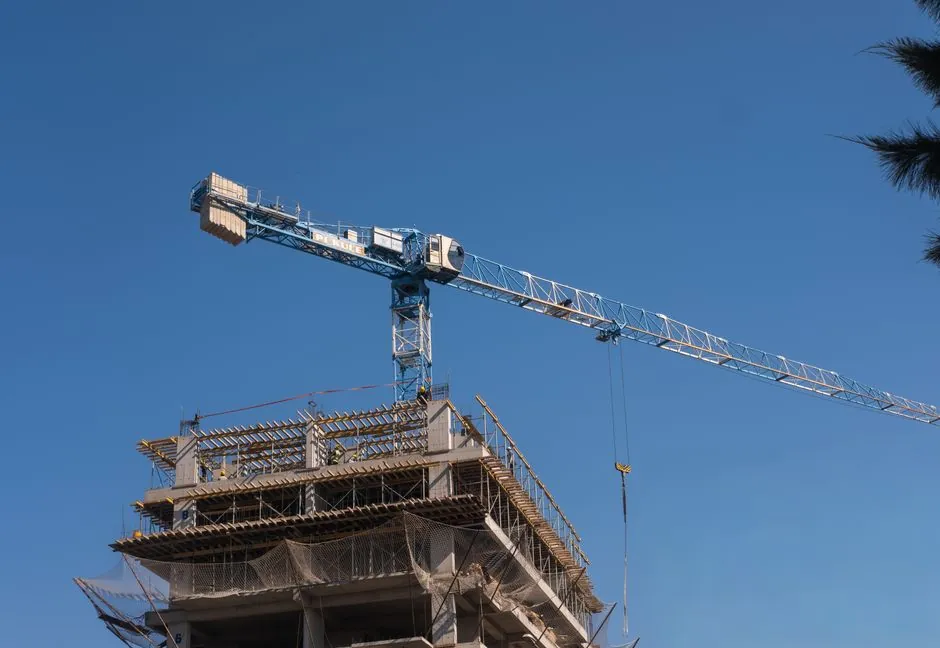
Hydraulic self-climbing formwork has a higher acquisition cost than traditional systems, while repeated self-climbing cycles can improve labour and crane availability over a multi-floor project [S1].
The main cost question is not the invoice price of the climbing unit, but the total cost of each floor cycle across equipment, labour, concrete production, installation, maintenance, and eventual reuse.
Cost per cycle formula for vertical concrete
A defensible cost model divides all project costs by the number of completed production cycles, not by the number of lifts: total project cost ÷ completed floor or lift cycles. For hydraulic climbing formwork, each cycle normally includes setting anchors, installing reinforcement, closing the wall form, pouring concrete, curing to the required strength, stripping or preparing the platform, climbing, locking, and resetting for the next pour [S1][S2].
The formula should separate at least five buckets: purchased or rented formwork, hydraulic climbing equipment, labour, plant and energy, and indirect costs such as crane coordination, access, supervision, and disruption. Dividing only the rental or purchase price by cycle count understates the true floor-cycle cost because hydraulic power, anchors, valves, seals, hoses, and structural brackets also consume maintenance and replacement budgets [S1][S2].
The relevant procurement lesson is not to copy that percentage to every platform, but to evaluate hydraulic cylinder count, machine footprint, climb duration, and redundancy when comparing supplier quotations.
Why cycle count changes the economic result
The economic case for self-climbing formwork improves with repetition because the same working platform, wall panels, climbing brackets, hydraulic units, and safety screens move upward through the building [S1][S2]. A single tower with limited vertical repetition offers fewer opportunities to spread the acquisition and engineering cost than a project with dozens of compatible lifts.
Three project variables determine whether that spread is real: the number of compatible cycles, the number of separate concrete cores, and the proportion of scheduled work that the climbing system completes without a tower crane. MEVA states that the climbing platform and formwork are lifted to a new suspension point for the next concrete-pouring cycle [S2].
Crane-dependent climbing remains cheaper in some situations because it uses external lifting equipment instead of a complete hydraulic self-climbing arrangement [S1][S2]. The climbing formwork versus scaffolding comparison is useful for structural selection, but the cost decision must still be based on actual crew hours, crane demand, and the number of reusable cycles.
Self-climbing, crane-dependent, and single-sided options
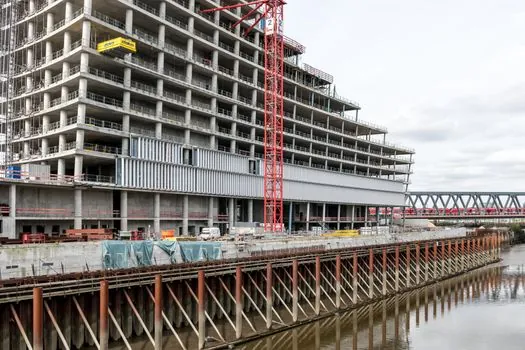
Self-climbing formwork is the strongest fit where tall, repetitive vertical elements coincide with constrained crane access, because hydraulic cylinders move the scaffold and formwork to the next pouring cycle without a crane [S2].
Labour, crane, and schedule cost drivers
Hydraulic self-climbing formwork can continue vertical work in windy conditions when crane operations are restricted, protecting work-sequence value rather than merely saving a lifting move [S1][S2]. That benefit has a direct cost basis: fewer crane lifts can reduce crane hire, standby, operator time, coordination, and the risk of a delayed wall-pour sequence.
Self-climbing formwork typically includes high-strength wall panels, hydraulic climbing units, anchoring systems, working platforms, and full-height safety screens [S1]. A wall system therefore replaces or reduces several interfaces that appear in a traditional erection sequence. The site team must still reset panels, align the platform, connect suspension points, operate the hydraulic circuit, inspect anchors and brackets, and secure the assembly before the next pour [S1][S2].
The hydraulic climbing formwork guide is useful for component-level review. The cost comparison should record the work content of each crew shift separately from equipment rental, because a hydraulic cycle can move more formwork while still requiring a trained operating crew and controlled inspections.
Purchase, rental, certification, and total ownership cost
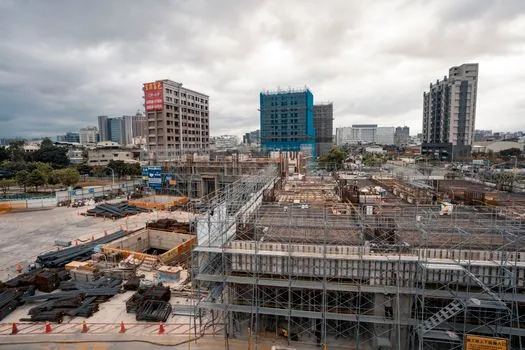
Hydraulic self-climbing equipment carries a higher upfront cost than traditional systems, and long-term economics depend on spreading that cost over enough productive cycles [S1]. The cost per floor therefore falls as utilization rises, but only if hydraulic availability, concrete supply, curing windows, and crew productivity remain coordinated. A low nominal cycle price is not useful if the machine waits for concrete or a lift is repeated because of an alignment fault.
Four drivers should rank the price. First, structural configuration and lifting capacity determine the amount of steel, aluminium, hydraulic hardware, anchors, brackets, platforms, and safety-screen material required. Second, engineering, fabrication, transportation, assembly, and site commissioning create non-repeating costs. Third, project volume affects supplier pricing and the number of complete sets needed [S1]. Fourth, the rental duration and mobilisation window determine whether the contractor is buying productive availability or carrying an asset for part of the project.
Ownership cost continues through hydraulic oil, hose and seal inspection, cylinder service, valves, pumps, power supply, anchor components, replacement panels, cleaning, and storage between deployments [S1][S2]. Crew training and a documented operating procedure are also cost items because incorrect use can convert a planned climb into a stoppage. Reuse across separate tower projects can extend the economic base, but that option should be evaluated through the climbing formwork reuse analysis rather than assumed from the original purchase price.
Measurement plan for a defensible floor-cycle price
Measure at least five consecutive production cycles on the first qualified lift, then divide measured total cost by completed cycles. Record wall area or volume handled, crew hours by trade, crane hours avoided, hydraulic operating hours, climbing duration, setup duration, pour duration, cure or release delay, and rework [S1][S2]. This produces a project-specific cost per floor cycle rather than a supplier list-price estimate.
Track three ratios separately: labour hours per completed cycle, crane hours per completed cycle, and productive climbing cycles divided by scheduled cycles. The third ratio exposes losses hidden by the average, including weather, concrete supply, anchor setting, mechanical faults, and panel adjustment. Attach the purchase or rental cost to these operating records so managers can distinguish a slow cycle from an expensive machine.
For procurement comparisons, require quotations based on the same number of cycles, concrete lift geometry, working-platform configuration, anchor arrangement, access envelope, and operating-power provision. Without a common cycle count, one supplier's price per lift can be compared only nominally, not economically. The selected system should then be tested against schedule value, not just unit cost, because each avoided crane demand or protected pour sequence can carry more value than the nominal saving [S1][S2].
The next decision point is a measured five-cycle baseline covering crew hours, crane hours, hydraulic availability, and delay causes, followed by a quote comparison using that verified cycle count.