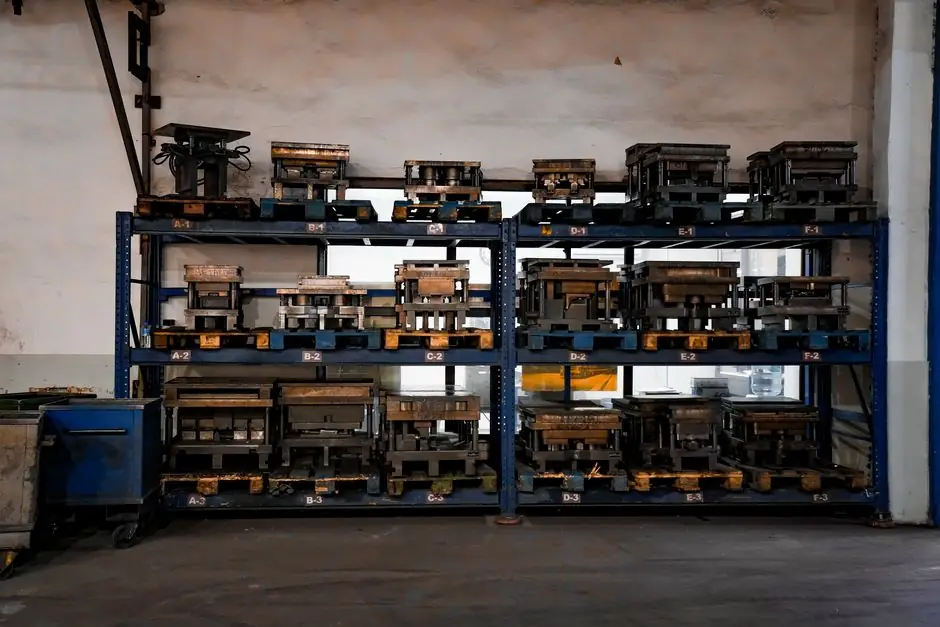
A hydraulic press reliability program is built on three cadences, not one: daily leak, gauge, and safety-interlock checks; monthly filter, hose, and fastener audits; and a quarterly-to-annual fluid-analysis, calibration, and seal-replacement cycle anchored to a 2,000-4,000 working-hour oil-change interval [S3][S5].
Press type, valve technology, duty cycle, and safety risk set the actual intervals, but the failure modes cluster: pressure fluctuation from contaminated fluid or worn seals, slow ram response from aeration or low oil level, overheating from undersized cooling or internal leakage, and excessive noise from bearing or alignment faults [S2][S3]. The hydraulic press system basics page covers the components these tasks touch.
Daily and Weekly Inspections: The 10-Minute Floor Check
Daily walk-arounds catch roughly 70-80% of incipient failures before they become downtime, and the inspection list is short and concrete: hydraulic fluid level top-up, ram and gib area wiped clean of metal debris, gauge and sensor sanity check, E-stop and light-curtain function test, and a visual scan of hoses, seals, and fittings for weeps or oil films [S2][S7]. Listen for irregular noise and log any anomaly in the maintenance record before it scrolls out of the shift handover [S2].
Leak detection on fittings is the single highest-yield daily action: tighten the fitting, wipe residual oil, and re-check after the next cycle, because a small drip at a JIC or NPT joint almost always becomes a hose replacement within two weeks if ignored [S1][S5]. The ram-guide lubrication check sits on the same daily list for guided-platen presses, where starved gibs show up as scoring on the slide surface within a shift [S1].
Fluid, Filtration, and Oil-Change Cadence
Contaminated hydraulic oil is the leading root cause of press failure, and the clean-oil target is machine-specific: basic systems with directional valves run on 10-micron return-line filtration, while systems using proportional or servo valves require 6-micron in-line pressure plus return-line filtration, with the cleanliness class defined by the OEM [S5]. Oil-change interval lands at 2,000 to 4,000 working hours depending on duty cycle, with periodic third-party oil sampling as the early-warning channel for wear metals, water ingress, and additive depletion [S3][S5].
Filter replacement follows OEM service intervals, not a fixed calendar, and a clogged filter will show up as slow or jerky ram motion, falling system pressure under load, or a rising vacuum reading on the pump inlet [S2][S3]. The hydraulic actuator reference page covers the cylinder-side fluid behaviour that these filters protect.
Seals, Hoses, Cylinders, and Fasteners

Monthly tasks are mechanical: inspect every hydraulic hose for abrasion, blistering, or kinking, replace any fitting showing a wet film, and torque cylinder-attachment and bolster-plate fasteners to OEM values, marking the bolt heads once verified so future drift is visible at a glance [S2][S4][S5]. Tie-rod pre-tension on tie-rod-frame presses belongs on the same monthly walk, and loose tie-rod nuts are a top-three cause of frame fatigue cracks in production data [S5].
Seal replacement is condition-based, not calendar-based: rod seals, wiper seals, and V-packings go when leakage appears at the gland, not on a fixed schedule, but a full seal-and-gasket audit once per year is a sensible floor for any press running more than one shift [S2][S3]. Do not reuse crush-type fittings, and replace any hose that has been flexed past its minimum bend radius or that shows a bulge under operating pressure [S4].
Pressure Calibration, Stroke Settings, and Control Systems
Pressure and stroke calibration drift is silent but expensive: monthly verification with a digital pressure gauge and a stroke scale catches the slow loss of tonnage accuracy that drives scrap rates up before it shows as a failure [S3]. The press controller, safety relays, and limit switches need the same monthly attention, since dust and oil mist inside the electrical cabinet are a common source of intermittent sensor faults on shop-floor presses [S3].
Annual work is the deep service: test relief valves at set pressure, flush the hydraulic system, replace any seal showing compression set, and verify platen parallelism with a dial indicator. For higher-tonnage presses, realignment and bearing inspection should also sit on the annual ticket, because excessive noise or vibration often traces back to a worn bearing or a gib that has drifted out of spec [S2][S3].
Comparing the Three Maintenance Tiers

Side-by-side, the three cadences are designed to catch different failure classes: daily checks target leaks, level, and safety circuits with zero tooling; monthly checks target filtration, hose wear, and fastener drift with basic hand tools; annual service targets calibration drift, seal set, and internal leakage with gauges, test instruments, and a flush cart [S2][S3][S5].
On cost per hour of uptime gained, daily inspection is the lowest cost and the highest yield for the first 6-12 months of a press's life, while oil sampling and annual seal service dominate return on spend from year two onward when wear-in is over and the failure mode shifts to component ageing [S3][S5]. For shops running servo or proportional valve presses, the 6-micron filtration target and the 2,000-hour oil change are non-negotiable; for basic valve presses, 10-micron and 4,000 hours are workable floors [S5].
Common Failure Modes, Root Causes, and Corrective Actions
Pressure fluctuation and inconsistent force trace most often to contaminated fluid, internal valve leakage, or a worn rod seal allowing fluid to bypass the piston; the corrective path is oil analysis first, then seal replacement if the fluid is clean, then valve service if the seal is sound [S2][S3].
Slow or jerky ram movement is the classic aeration or low-level signature: verify oil level on the reservoir sight glass, bleed any air at the cylinder bleeder, then check the pump-inlet screen for a restriction [S2]. Overheating points to inefficient cooling, an undersized pump, or a component passing oil internally and adding heat to the loop; data-logging rapid-advance, pressing, and rapid-retract pressures is the diagnostic baseline, and a sudden step-change in those numbers typically flags the failing component [S2][S5]. Excessive noise or vibration is either a lubrication gap on the gibs, a failing bearing, or a misalignment that needs a precision realignment, not a top-up [S2][S3].
Safety Systems, Lockout, and When Not to Repair
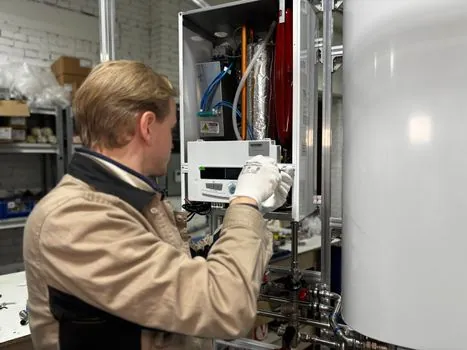
Daily safety-circuit testing is non-negotiable: light curtains, interlocking gates, safety mats, and the E-stop must all be functionally checked before the first part is loaded, and any defective safety device triggers immediate lockout and service, not a red-tag and a "fix it next shift" [S2][S5]. Press guarding belongs on the same inspection cadence, because a guard that is propped open defeats every other safety control on the machine [S2].
The "do not repair, replace" boundary sits at the cylinder itself once rod scoring, piston-bore damage, or persistent internal leakage is confirmed: honing and re-sealing can recover a worn cylinder once, but a second failure event on the same cylinder is the cue to swap the unit rather than rebuild, because labour typically exceeds the cost of a remanufactured replacement. Pumps, by contrast, often benefit from proactive replacement at the manufacturer's published service-life mark rather than waiting for a catastrophic failure on a production run [S3][S5].
Track these signals quarter-to-quarter: oil-sample particulate trend (ISO 4406 target class), filter differential-pressure rise between changes, and the gap between commissioning baseline pressures and current operating pressures for the rapid-advance, pressing, and rapid-retract phases. A widening gap on any of the three is the earliest measurable warning that a component is starting to pass oil internally. For a deeper view of how shop-floor Ethernet and protocol choices affect press data logging, see the industrial Ethernet demand 2026-2030 analysis, and for the material side of die and bolster selection, the mold base sizing and selection field guide covers the upstream plate stack that sits on these presses.
Spec-level background on the components involved: linear guide.