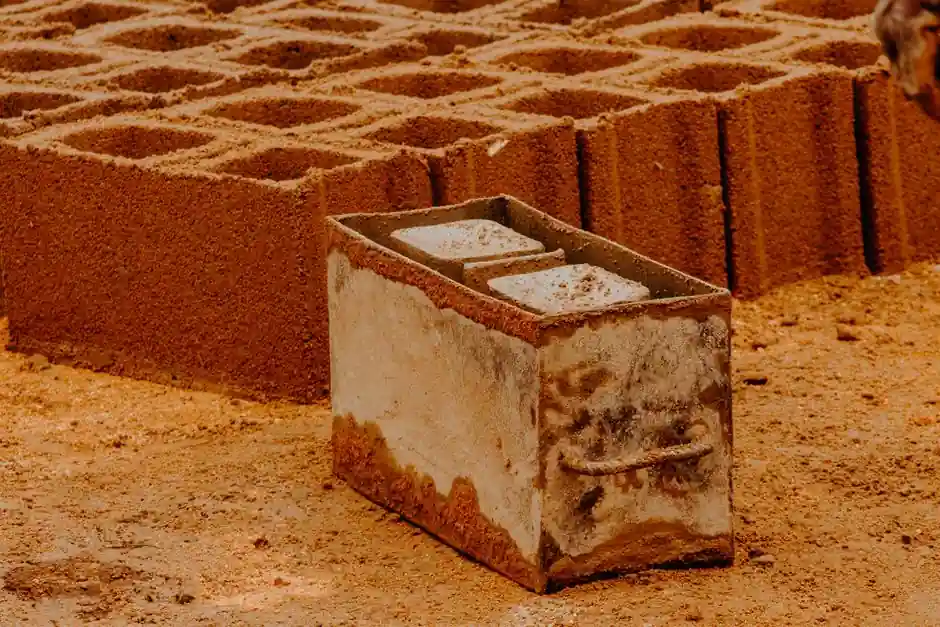
Sand casting molds in 2026 come from two distinct supplier tiers: heavy industrial foundries running DISA Match automated lines and producing 2M+ metric tons of iron annually, and small flask-frame vendors selling cast-iron or aluminum-alloy 2-part molds in the $13–$119 range for jewelry and prototyping [S3][S4].
Sand casting itself is a foundry process that uses sand, bonded typically with clay or chemical binders, as the mold material, and it accounted for over 60% of all metal castings produced in 2003, a share that continues to anchor ferrous and large non-ferrous work [S5]. Buyers now sort suppliers by alloy, part envelope, certification scope (MIL-Spec, ITAR, NSF), and whether the job is one-off art casting or series production.
Industrial Foundry Suppliers: Capacity, Alloys, and Equipment
Industrial sand casting foundries in the U.S. cluster around ferrous and non-ferrous alloys: Waupaca Foundry (WI) runs 2M+ metric tons per year of gray and ductile iron, supplying brake and powertrain OEMs, while Neenah Foundry (WI) holds 150+ years of municipal casting experience for manholes, grates, and drainage infrastructure [S4]. On the non-ferrous side, Erie Bronze & Aluminum (Erie, PA) operates a DISA Match 20/24 automated green sand molding line to drive down cost-per-casting on short runs, and handles ITAR defense work in MIL-Spec alloys such as C954 aluminum bronze and C89833 copper-bismuth plumbing alloys [S4].
Globally, Impro positions itself as a manufacturer of complex, high value-added sand castings in ductile iron, gray iron, and other alloys, while Alcast Company runs precision sand casting in green sand, air set, and cored formats for aluminum applications [S6][S7]. The five canonical steps remain pattern placement, gating system assembly, pour, cool, and shakeout, and modern foundries overlay flow simulation, chemical analysis, and automated molding onto those steps to hit customer tolerances [S4][S5]. Buyers sourcing from this tier should map a foundry's alloy menu against the part's mechanical requirements and verify whether in-house machining and finishing close the value chain, as casting mold selection itself depends on pattern accuracy and binder system more than raw pour weight.
Jewelry and Prototyping Flask Suppliers: Materials and Price Bands
At the small-format end, suppliers sell cast-iron and aluminum-alloy 2-part flask mold frames, typically in sizes from roughly 6.35" × 3.82" × 2.36" up to 10" × 10" × 5", priced from $20.99 to $119.99 on Amazon listings that show 50–200+ units bought per month [S3]. PMC Supplies lists Petrobond quick-cast clay plus a cast-iron flask as a $56.95 set, and Delft Clay–compatible cast-iron 2-part frames appear at $24.95 for the same audience of small-scale jewelers and metalworkers [S1][S3].
Aluminum-alloy cylindrical sand casting pots in the $12.79–$15.69 band are sold for one-off jewelry melts and metal repair, while heavy-duty alloy structural steel 10" × 10" × 5" flasks at $99.99–$119 are marketed toward knife pommels, guards, and larger replication work [S3]. The materials matter: cast iron resists thermal shock and the higher pour temperatures of copper and silver alloys, while aluminum-alloy pots trade temperature ceiling for light weight and lower cost. For buyers comparing a sand casting mold purchase against sending the part to a foundry, the breakpoint is roughly part count and alloy: under 10 pieces in gold, silver, or brass, the flask approach wins on lead time; beyond that, an industrial caster's per-part price drops below the in-shop labor cost.
Process Selection: Green Sand, Petrobond, Air Set, and 3D-Printed Patterns
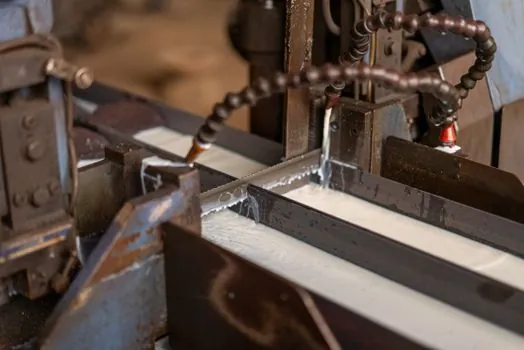
Process choice inside the sand casting family is itself a supplier filter. Green sand (clay-bonded, moistened with water) is the default for high-volume iron and aluminum work and pairs with DISA Match-class automated lines at top foundries [S4]. Petrobond is an oil-bonded sand that gives jewelers and small shops a reusable, dust-controlled alternative to green sand and is sold alongside flask kits on the PMC Supplies catalog [S1]. Air set (chemical-bonded, typically phenolic-urethane or furan) and core-based systems enable thinner sections, larger envelopes, and the internal passages that green sand cannot draw, which is why suppliers like Alcast list air set and core capabilities alongside green sand for aluminum [S7].
Patterns themselves now arrive via three routes: hand-carved wood or metal, machined plastic, or 3D-printed directly into sand, and the 3D-printing route lets foundries skip pattern tooling for short runs and prototype work, per the Wikipedia process description [S5]. The contraction allowance on a pattern is metal-specific, so a foundry quoting a 2% rule for steel will not apply the same shrinkage to aluminum, and that difference gets baked into a foundry's pattern shop rather than left to the buyer. Buyers specifying a mold base for an existing die set should confirm whether the supplier can accept a customer-supplied pattern or only its own pattern inventory, since that line splits jobbing shops from captive toolrooms.
Selection Criteria: Certifications, Tolerance, Lead Time, and Total Cost
A spec-first buyer shortlist against a sand casting supplier should run four criteria. (1) Alloy menu: confirm the foundry pours the exact UNS or AA designation called out on the drawing; C954 aluminum bronze, ductile iron 65-45-12, and A356 aluminum each demand separate metallurgical control. (2) Certification scope: ITAR registration, MIL-Spec alloy approvals, and ISO 9001 surface as differentiators on industrial suppliers' line cards, with Erie Bronze & Aluminum and Lincoln Foundry citing defense and plumbing-standards work respectively [S4]. (3) Tolerance and machining: net-shape sand castings typically land at ±0.5 mm on small parts, with tighter dimensions moved to a secondary machining step that some foundries run in-house. (4) Lead time and minimum order: small-flask vendors ship in 1–7 days with no minimum, while industrial foundries commonly quote 4–8 weeks and may apply a tooling charge amortized over the run size [S3][S4].
Pattern cost and pattern life are the hidden fifth criterion: a wood pattern wears out in 50–200 pulls, an aluminum pattern in several thousand, and a 3D-printed sand mold eliminates pattern cost entirely on prototypes but caps production volume. The same selection logic that drives tool steel suppliers toward grade-and-certification matrixing applies here: refuse to evaluate a foundry on price alone, because alloy mismatches and pattern rework erase any per-pound savings within the first rejected batch.
Comparison Table: Foundry Tier vs Small-Flask Tier
Side by side on the four decision criteria above, the two supplier tiers resolve cleanly. Industrial foundries win on alloy range (gray/ductile iron, bronze, aluminum, specialty steels), annual scale (2M+ tons at the top end), and certification scope (ITAR, MIL-Spec, ISO 9001), but they require 4–8 week lead times, tooling charges, and minimum order quantities measured in hundreds of parts [S4]. Small-flask vendors win on price ($13–$119 kit cost), lead time (1–7 days, no minimum), and accessibility for jewelers and prototype shops, but they are limited to roughly 10" × 10" × 5" part envelopes and to alloys that pour below the cast-iron flask's thermal ceiling, which is why copper, silver, gold, and aluminum dominate this tier [S3].
Total-cost crossover sits roughly at the 10–50 part mark for small jewelry and craft parts: below that, the flask-and-bench workflow is cheaper once the founder's own labor is priced in; above that, an industrial caster's amortized per-part cost pulls ahead, especially when machining, inspection, and certification are bundled. Buyers specifying parts that will be installed in construction machinery and equipment or in a certified fluid-handling assembly should default to the industrial tier, because NSF, MIL-Spec, and pressure-boundary documentation will not survive a small-flask workflow.
Limitations, Failure Modes, and Sourcing Signals
Sand casting's known failure modes govern which jobs it should and should not be specified for. Sand castings carry a characteristic granular surface ("sand skin") that is preserved for aesthetic value in some bronze and aluminum art pieces but is removed by machining in functional parts, and the process tolerates far wider draft angles and thicker walls than die casting or investment casting, per the Wikipedia entry that documents five canonical process steps [S5]. Gas and steam generated during pour must vent through permeable sand or risers; if the flask is packed too tight, defects surface as gas porosity, and this is a parameter small-flask users control by feel, while industrial foundries instrument it with flow simulation [S4][S5].
Sourcing signals worth tracking: a foundry's DISA Match or equivalent automated molding installation, in-house spectrometer for alloy verification, and pattern shop capacity are the three operational tells that separate a top-tier caster from a job shop, and the Erie Bronze list explicitly names these as differentiators [S4]. On the small-flask side, look for split-type (2-part) cast iron over single-piece aluminum pots when pouring copper or silver, and verify the flask's stated internal volume against the part's bounding box plus sprue and riser allowance, because undersized flasks force pattern rework that erases the kit's price advantage. As of 2026-09-12, no regulatory standard is being newly imposed on sand casting mold supply, and the supplier landscape is stable, with both industrial and small-flask tiers accessible through their existing direct and marketplace channels [S1][S3][S4].
