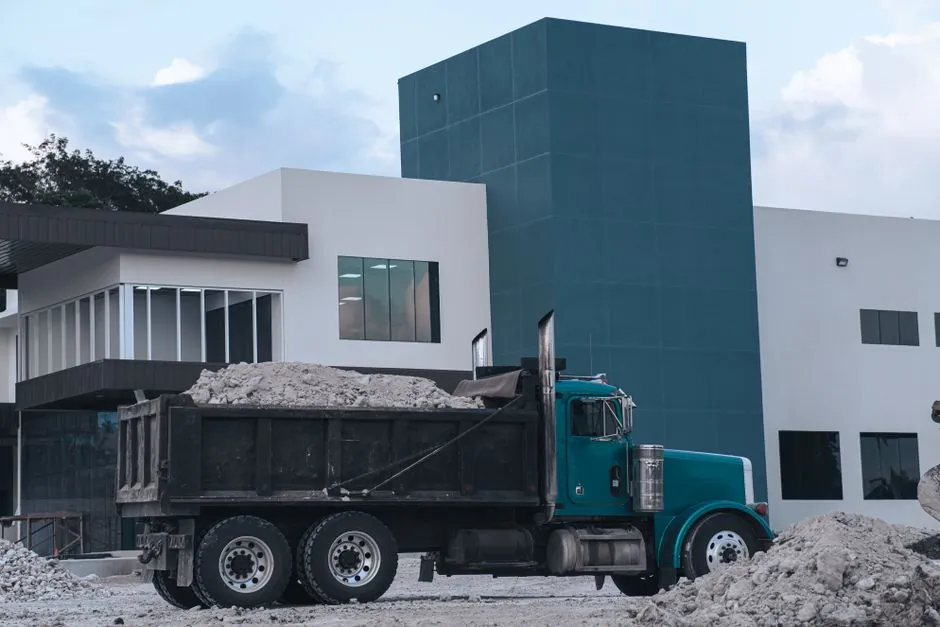
Automotive-parts logistics sites in 2026 should specify a 12-18 m platform with Class III accuracy (10 kg scale interval) for medium-to-heavy trucks, paired with a Legal-for-Trade indicator and either pit-type or above-ground installation matched to inbound vs. yard-outbound traffic patterns [S4][S1].
Global automotive logistics was valued at USD 366.84 billion in 2025 and is forecast to reach USD 813.84 billion by 2035 at an 8.29% CAGR, with the automobile parts segment holding the largest type-share and Asia Pacific accounting for more than 47% of 2025 revenue [S2]. That volume sits on weighbridges every day, which is why the scale spec, not the truck spec, decides whether a yard clears customs, JIT/JIS, and overload fines cleanly [S5].
Platform Length and Capacity by Truck Class
Light-duty trucks under 30 t sit comfortably on 6-10 m platforms with 3-3.4 m width at logistics distribution centres, while medium-to-heavy 50-100 t vehicles and most long-haul automotive-parts trailers need 12-18 m decks so the entire wheelbase rests on the weighbridge during a single static weighing pass [S4]. Static pit-type and above-ground truck scales for these classes commonly run around 70 ft (~21 m) of weighbridge to clear multi-axle car-carrier and parts-trailer combinations, with above-ground units requiring approach ramps and pit units requiring foundation excavation but no ramps [S7][S4].
For oversized bulk-coil or engine-block loads above 100 t the spec jumps to heavy-duty platforms at industrial hubs and large construction projects, well outside the normal automotive-parts envelope, so procurement teams should rule them out early when scoping OEM and tier-1 yards [S4].
Accuracy Class, Legal-for-Trade, and Indicator Selection
Class III accuracy with a 10 kg scale interval is the baseline that supports commercial trade settlement and meets the vast majority of industrial applications for automotive-parts flows, including inbound supplier parts, inter-plant transfers, and outbound finished-vehicle logistics weights used for carrier billing and overload compliance [S4]. A sub-standard scale system, or one that is not right for the volume of the product created by the business, can mean hundreds or even thousands of dollars in lost profit from inaccurate weight data, which is the direct mechanism by which a bad scale spec bleeds margin on every load [S1].
Legal-for-Trade certification, paired with a NTEP or OIML-approved indicator, is the non-negotiable gate for any site where the weigh reading drives an invoice, a CMR consignment note, or a customs declaration. Truck and rail scale systems from established instrument suppliers typically integrate dimensioning and dynamic weighing add-ons that feed yard management and weigh-in-motion (WIM) pre-screening for high-volume automotive compounds [S3].
Above-ground vs. Pit-type Installation by Traffic Pattern
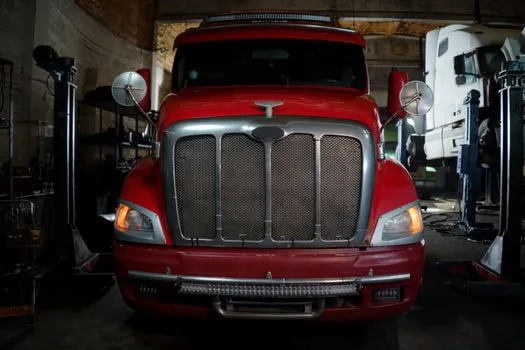
Above-ground truck scales install faster, allow simpler maintenance access, and suit low-to-medium traffic yards, but they require access ramps at both ends, which adds deck length and site footprint [S4]. Pit-type installations are better for high-traffic, drive-through automotive logistics environments where frequent weighings, sequencing, and pre-delivery inspection flows demand zero-ramp flush deck access, though installation requires excavating a foundation pit and the engineering work is more complex [S4].
For automotive-parts sites running multi-shift inbound supplier deliveries, pit-type generally wins on throughput and on minimising vehicle approach incidents; for spare-parts distribution depots and seasonal aftermarket peaks, above-ground gives faster commissioning and easier load-cell service [S1].
Portability, Axle Scales, and WIM Pre-screening
Portable truck scales deploy in minutes and suit temporary yards, overflow compounds, and short-term OEM launch ramps where a permanent deck is not yet justified, while axle scales and wheel weighers are used for spot-checks, overweight enforcement, and per-axle load audits on car-carriers entering a compound [S1]. Weigh-in-Motion (WIM) systems pre-screen incoming vehicles at approach speed, flagging overloads before the truck commits to a static weighbridge pass and freeing the Legal-for-Trade scale to do what static weighing does best, which is the legally defensible reading [S3].
For a typical automotive-parts cross-dock, the practical stack is WIM at the gate, a single full-length static pit-type Legal-for-Trade weighbridge for invoiced movements, and portable axle scales for yard and spot-check work. This mirrors the throughput and damage-prevention priorities that drive finished vehicle logistics in European OEM networks [S5].
Environment, Material, and Site Adaptation
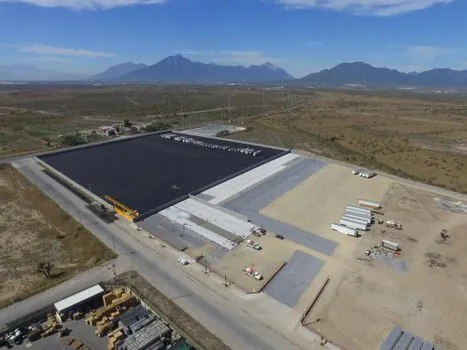
Scales for outdoor automotive compounds need a high-quality steel weighbridge as standard, with stainless steel options for corrosive or high-moisture environments such as coastal port compounds and de-iced winter yards, where corrosion and moisture protection are the dominant failure modes [S4]. The environment of the worksite drives the spec as much as the truck class does, and pre-calibrated indicators with remote diagnostics shorten the maintenance window in yards that operate 24/7 [S1].
Power and size requirements scale with throughput: a single-shift spare-parts depot runs a lighter-duty configuration than a multi-shift OEM inbound yard moving thousands of vehicles per week between plants, compounds, distribution hubs, and dealer networks [S5]. For European corridors specifically, CMR compliance and cross-border documentation requirements add data-integration pressure on the indicator, so the procurement gate is not just deck length and accuracy but the indicator's ability to feed a yard management system cleanly [S5].
Comparison: Scale Type vs. Decision Criteria
Across the four main options, permanent static above-ground scores low on footprint efficiency and high on install speed; permanent static pit-type scores high on throughput and flush-deck ergonomics but high on civil-works cost; portable axle and wheel weighers score high on flexibility and low on Legal-for-Trade use; WIM systems score high on pre-screening throughput but are not a Legal-for-Trade endpoint on their own [S1][S3][S4][S7]. For an automotive-parts site, the procurement decision is rarely either/or; it is which combination of these four clears the gate at the lowest 10-year total cost of ownership.
Sustainability and reverse-logistics pressures on the automotive supply chain (EV battery take-back, reusable packaging returns, modal shift to rail) are pushing yards toward consolidation centres and electrified short-haul fleets, both of which change the duty cycle on the weighbridge but do not relax the Legal-for-Trade requirement on invoiced weights [S6][S2].
Selection Gates and What to Reject

Reject any quote that omits Class III / 10 kg scale interval, omits Legal-for-Trade or NTEP/OIML certification, or proposes a deck shorter than 12 m for a site that handles 50-100 t automotive-parts trucks, because the entire vehicle must rest on the platform during measurement to prevent errors [S4]. Reject a vendor that does not provide a clear maintenance, calibration, and load-cell service plan, since scales will eventually require maintenance and an unmaintained deck is the single most common source of invoicing disputes and overload fines [S1].
For spare-parts and aftermarket depots handling smaller fleets, the same gates apply at a smaller deck length of 6-10 m, with the same Class III accuracy and the same Legal-for-Trade indicator, which keeps the spec stack consistent across an OEM network and simplifies multi-site procurement [S4]. A solid selection process aligns capacity, platform, installation method, and accuracy to the operating environment, with a professional weighing supplier brought in early for site layout and drainage design where the deck is permanent [S4].
Track two signals over the next two quarters: published 2026 update notes on NTEP/OIML indicator certifications for the chosen platform length, and OEM tender releases for finished vehicle logistics corridors that bundle weighbridge specs with yard management and CMR documentation requirements. For related yard-side equipment spec work, the heat treatment furnace selection map for automotive parts and the truck scale selection spec for e-commerce fulfilment carry adjacent decision criteria worth cross-checking against an automotive-parts yard's duty cycle.
For component-level specifications, see logistics packaging, truck scale, and dump truck.