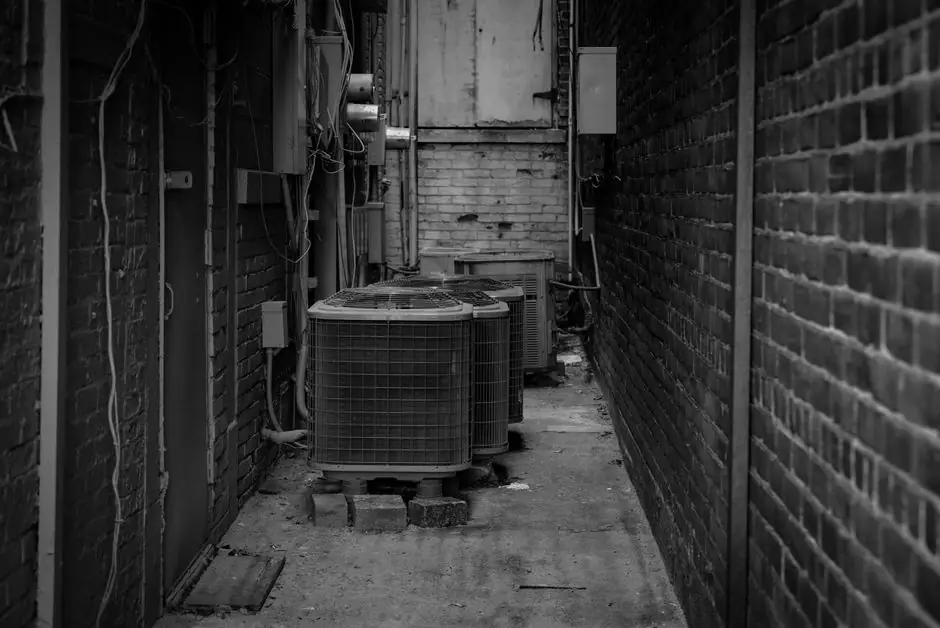
An industrial DTU rated -35 to +75 C with 4G/3G/2G fallback, RS232/485 serial, and IEC 60870-5-101/104 protocol support is the safe 2026 default for HVAC remote monitoring, where rooftop plant rooms and mechanical mezzanines routinely hit 60 to 70 C in summer [S2][S3].
HVAC telemetry covers a wide bandwidth range: chiller alarms are sub-1 kB per event, while a single chiller plant streaming 200 to 300 points at 1 s scan sits closer to 30 to 50 kB per minute, so the modem, not the SCADA host, sets the data-rate ceiling [S1][S2].
What "Industrial Modem" and "DTU" Actually Mean in HVAC
A DTU (Data Terminal Unit) is a serial-to-IP gateway that wraps RS232/RS485/TTL into TCP/IP and pushes the packet over a cellular or wired backhaul, whereas a pure industrial cellular modem is a transparent radio bridge without the protocol-conversion logic that a control systems integrator expects [S1]. For HVAC retrofit work on chillers, AHUs, and boiler panels that only expose Modbus RTU or IEC 60870-5-104, the DTU form factor (modem + protocol encapsulation + watchdog in one box) removes a layer of integration and is widely specified by mechanical-EPC firms [S1][S2].
The reference taxonomy in the 2026 direct-industry index groups 26 active products from 11 vendors under the DTU modem heading, with 4G LTE Cat 1, NB-IoT/CAT-M1 (eMTC), 5G NR, and legacy GPRS/3G still all represented as live SKUs [S1]. The MTX-StarEnergy-E explicitly targets IEC 60870-5-102 meter reading over IP to RS232/RS485, a useful precedent for HVAC heat-meter and BTU-meter retrofits that follow the same protocol family [S1].
Selection Criteria That Decide the SKU
Five spec gates filter the candidate list: operating temperature, cellular band fallback, serial interface, SCADA protocol stack, and power input range [S1][S2][S3]. The Alotcer 5G/4G line is published at -35 to +75 C operating range, which covers unconditioned mechanical rooms and outdoor rooftop plant enclosures without derating [S2]. The Caimore CM510 3G/4G/GPRS DTU is documented as compatible with 4G/3G/2G networks, a meaningful safety net on sites where a single 4G band is marginal inside a reinforced concrete plant room [S3].
For the interface side, RS485 (2-wire half-duplex) is the de facto chiller and VFD bus in commercial HVAC, with RS232 reserved for legacy single-device drops; the Wlink D82 series explicitly exposes two user-selectable RS232/RS485/TTL ports, which simplifies a multi-chiller plant on a single DTU [S1]. The Wlink D83 NB-IoT/CAT-M1 modem keeps the same RS232/RS485 port set, making it the lower-bandwidth option for metering-only sites that do not need full SCADA [S1].
Who This Gear Is For, and Who Should Look Elsewhere

They are also the right pick for metering-heavy heating networks (district heating substations, BTU meters) where IEC 60870-5-102 encapsulation inside the modem removes a dedicated gateway, a pattern MTX has shipped for the electric-metering market and that maps cleanly onto thermal-energy meters [S1].
They are the wrong tool for sub-1 kB/month reporting (a LoRaWAN or NB-IoT module is cheaper), for sites that already have a fiber drop (use a serial device server instead), or for safety-rated shutdown loops where the DTU is in the trip path rather than the monitor path; for the protocol-bridging question, the serial device server buyer's map covers the wired-Ethernet alternative and is a useful parallel read [S1].
Options Lined Up Against Decision Criteria
Side-by-side, four common form factors cover most 2026 HVAC asks: 5G/4G multi-mode DTU (Alotcer AR7028 family, -35 to +75 C, IEC 101/104, hardware encryption, multi-interface), 4G/3G/2G fallback DTU (Caimore CM510, 4G/3G/2G triple fallback, RS232/RS485), NB-IoT/CAT-M1 DTU (Wlink D83, low power, metering-grade), and 4G Cat 1 + RS485 minimalist (EasyDot, 4G/2G LTE Cat 1 modem, single RS485) [S1][S2][S3].
On bandwidth, 5G NR > 4G LTE Cat 1 > 4G LTE Cat-M1 (eMTC) > NB-IoT > 2G/GPRS, so a chiller plant with 250 points at 1 s scan belongs on 5G/4G, while a 10-point heat-meter belongs on NB-IoT. On cellular resilience inside reinforced concrete plant rooms, a 4G/3G/2G fallback wins because the modem will fall to a usable 2G link instead of going dark. On power, the MGT571 industrial 4G DTU advertises a wide DC input range suited to 12/24 VDC panel rails, while NB-IoT variants sit lower and accept battery or solar feeds on metering sites [S1].
For a broader cross-vendor view that ranks selection logic against procurement risk, the industrial modem and DTU buyer's spec map lines the same 4G/5G/NB-IoT/2G decision up against integrator workflow, and is worth reading before issuing the PO.
Real HVAC Use Cases That Drive the Spec

District heating substations are the highest-volume DTU site in 2026, with heat meters exposing IEC 60870-5-102 or M-Bus and a DTU encapsulating that traffic to a head-end over 4G, exactly the pattern the MTX-StarEnergy-E is documented for in the electric-metering market and that several vendors now parallel into thermal-energy metering [S1]. A second common deployment is rooftop chiller plant telemetry: an Alotcer-class 5G/4G DTU at -35 to +75 C sits in a NEMA 4 enclosure near the chiller control panel, polls Modbus RTU over RS485 every 1 to 5 s, and pushes alarms via MQTT to a cloud SCADA [S2].
A third is indoor critical-air monitoring, where a 4G/3G/2G fallback DTU (CM510-class) is preferred over a 5G-only box because indoor coverage at the bands the carrier assigns to 5G NR is weaker; the 2G fallback is the difference between an alarm reaching the on-call engineer and a silent fault [S3]. A fourth is boiler-house SCADA over GPRS, a long-life retrofit pattern where the same D80-1-class GPRS DTU at 2.5G has been in service for over a decade, useful as a baseline for new installs that need the same 10-year service life [S1].
Limits, Failure Modes, and Sourcing Constraints
The biggest failure mode is not the modem, it is the cellular contract and the antenna: a DTU mounted inside a metal plant room with the stock PCB antenna will see RSSI drop 20 to 30 dB versus an external SMA antenna on the roof, and no protocol feature fixes that. The second is 2G/3G sunset: carriers in Europe and several APAC markets are switching off 3G in 2026 to 2027, so any 3G-only DTU ordered for a 10-year HVAC asset is a stranded spec; the 4G/3G/2G fallback form factor (CM510-class) is the safer bet [S3].
Power and surge are the third: rooftop plant rooms see utility-grade transients, and a DTU without a documented wide DC input and surge suppression on the RS485 port will fail at the first lightning season. Sourcing constraints to flag in 2026: 5G module supply is still tight versus 4G Cat 1, so lead time on 5G SKUs can run 8 to 12 weeks while 4G Cat 1 DTUs are routinely ex-stock [S1][S2]. For a cross-vendor sanity check before PO, the fiber media converter supplier map covers the wired-fiber option for sites where cellular is the wrong call altogether.
One verifiable protocol statement to ground the spec: the IEC 60870-5-101/104 protocol stack is supported across the Alotcer 5G/4G and 4G/3G SKUs as a published feature, which is the relevant HVAC/SCADA pairing for substation and plant-room retrofits that need to talk to utility or building-EMS head-ends [S2].
Trackable signal for the next buying cycle: monitor 3G-sunset dates by region (already live in some EU markets through 2026), and watch 5G RedCap module launches, which are likely to land a 2026-to-2027 SKU that closes the bandwidth gap between 4G Cat 1 and full 5G NR at a Cat-1-like price point for HVAC telemetry [S1][S2].
Spec-level background on the components involved: industrial modem, marine hvac, and industrial adhesive.