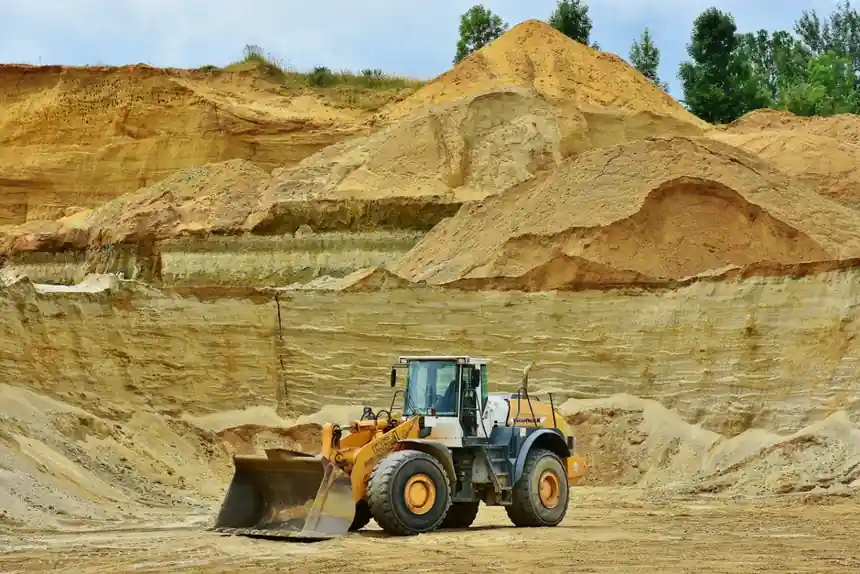
Mining surveillance in 2026 is a four-camera problem, not one: a single spec sheet cannot cover methane atmospheres, dust plumes, 24/7 perimeter coverage, and off-grid power, so most sites now build a layered camera stack rather than pick one model [S2].
Specialist vendors now segment the market into explosion-proof and intrinsically safe families, rugged outdoor PTZ/bullet lines, thermal imagers, and mobile solar-powered CCTV trailers, each addressing a different failure mode on a mine site [S1][S2][S4][S5].
Hazardous-area classification drives the first spec gate
ATEX and IECEx certification is the first filter on any mining camera bill of materials, because the alternative, an unrated camera near a firedamp seam, is a stop-work event [S2]. Intrinsically safe designs limit electrical and thermal energy below the ignition threshold of the surrounding gas or dust mixture, which is why they are the default for underground coal and many hard-rock faces [S2].
Explosion-proof housings, separately, are engineered to contain an internal ignition rather than prevent one, and they dominate open-pit crusher rooms, conveyor galleries, and refinery-adjacent processing plants [S1][S4]. For a working spec, buyers usually write a hazard-class line (zone 1/2 or zone 21/22), the gas or dust group, and the temperature class, then let vendors match certified models to that envelope [S2][S4].
Optical performance: dust, debris, and darkness
Wide Dynamic Range and IR illumination are the two most commonly cited optical features for mining video, because dust clouds, water spray, and loader headlight glare routinely wash out a standard auto-iris image [S3]. Low-light and thermal imaging are positioned as separate capability tracks on vendor configurators, not bundled options, and they map onto different jobs: thermal for hot-spot detection on conveyor belts and stockpile fire risk, low-light color imaging for after-hours personnel and vehicle identification [S1].
Long-range PTZ cameras are typically deployed on haul-road crests and crusher feed points, where detection ranges of several hundred metres are needed to read haul-truck numbers or confirm a bench-clear signal [S1][S4]. For a denser picture of the same stack, the construction site surveillance camera spec map walks through DORI distances, IP ratings, and power options that translate almost directly onto a mine perimeter.
Form factor and mechanical ruggedness
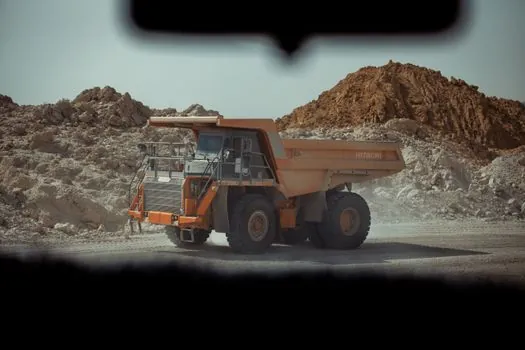
Form factor on a mine site is a maintenance decision, not a style one: dome, bullet, PTZ, and panoramic housings each have a defined failure profile under vibration, dust ingress, and rock-fall risk [S1][S4]. Dome units resist impact and are favoured for haul-truck cabs and control rooms, while bullet housings with sun shields and wipers dominate perimeter fence lines and crusher approaches [S1].
IP66 and IP67 are the two ingress ratings most often quoted for outdoor mining cameras, with the jump to IP67 needed where wash-down or temporary immersion is expected, for example near sumps and dewatering stations [S1][S4]. Heavy-duty and vandal-resistant ratings overlap with, but do not replace, hazardous-area certification: a stainless heavy-duty housing on a non-certified body still cannot enter a classified zone [S1].
Power, connectivity, and the mobile trailer option
Off-grid power is the single biggest reason solar-powered mobile CCTV trailers have become a default for short-term and exploration-phase mining, because running mains to a remote bench can take weeks of civils work [S4][S5]. These trailers integrate solar panels, battery banks, 4G/5G uplinks, and mast-mounted PTZ or thermal cameras into a single skid that can be relocated as the pit advances [S4][S5].
For permanent installations, PoE-powered fixed cameras on a fibre or wireless backhaul remain the lowest-total-cost path, provided the switchgear and UPS are sized for the site's dust and temperature envelope [S1][S5]. Where the camera stack feeds into a broader process-control environment, an industrial camera reference is the right cross-check for vibration, EMC, and ambient-temperature limits that a security datasheet does not state.
Software stack: analytics, LPR, and PPE detection
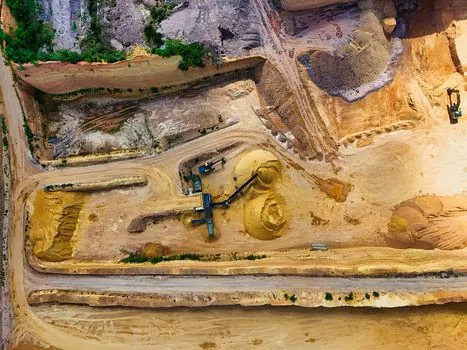
Onboard analytics have moved from a premium option to a baseline procurement line, with PPE detection, people counting, and firearm detection appearing as standard capability tracks on vendor configurators rather than as add-on licences [S1]. AI-based false-alarm filtering is sold as a separate analytics tier, valued on sites where dust and wildlife routinely trigger motion alerts that operators learn to ignore [S1].
License Plate Recognition is a distinct capability for haul-truck and contractor-vehicle gates, and it is the typical entry point for tying surveillance into dispatch and access-control systems on a mine [S1]. Perimeter intrusion analytics, gunshot detection, and drone detection round out the higher-end capability list, and they tend to be specified only after a risk assessment, not as part of a default camera BOM [S1].
Selection criteria: a four-line comparison
Comparing the four mining camera families on the same four criteria, a buyer can usually down-select in a single meeting: intrinsically safe units win on hazardous-area zones and fail on raw image performance, explosion-proof PTZs cover the widest environmental envelope at the highest unit cost, thermal imagers are the only credible option for hot-spot and night-vision detection, and mobile solar trailers win on deployment speed and lose on fixed-site total cost of ownership [S1][S2][S4][S5].
For a project that already touches process instrumentation, the magnetic level gauge spec map for mining service and the explosion-proof and remote surveillance camera guide for oil and gas sites cover two adjacent zones, classified-area instrumentation and downstream oil-and-gas surveillance, that overlap directly with mining slurry lines and processing plants.
Who this stack is for, and where it breaks
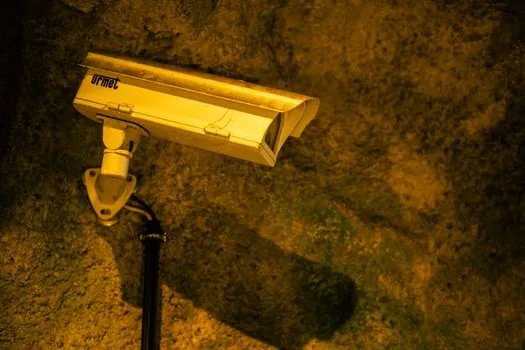
The four-family stack suits open-pit metal mines, quarries, coal prep plants, and exploration camps that need a mix of fixed coverage, mobile coverage, and classified-area coverage in a single project [S1][S2][S3][S5]. It is a poor fit for fully underground longwall coal faces, where intrinsically safe fibre-linked imaging and trolley-mounted pan/zoom heads, not the cameras above, are the working baseline [S2].
Two structural failure modes to design around: vendor data silos, where each trailer or vendor uses a different VMS, and the false sense of coverage when a high-resolution PTZ is pointed at a stockpile but no operator is watching the feed [S1][S5]. A practical mitigation is a unified cloud or on-prem VMS that accepts ONVIF-compliant streams from explosion-proof housings, fixed PTZs, and mobile trailers on the same dashboard, with alarm workflows tied to the dispatch system rather than a security desk [S1][S4][S5].
Sourcing and standards notes
For hazardous-area zones, ATEX (2014/34/EU) and IECEx certification are the two marks most commonly listed on intrinsically safe and explosion-proof mining cameras, and the camera datasheet should state both the equipment protection level and the gas or dust group [S2][S4]. IP66/IP67 are the two IEC 60529 ingress ratings most often quoted for outdoor mining enclosures, while IK10 is the typical impact-rating line item for vandal-resistant domes [S1][S4].
ONVIF Profile S and Profile T are the interoperability profiles that allow a third-party VMS to ingest streams from explosion-proof, fixed, and mobile cameras without per-vendor plug-ins, and they are a sensible line item on any multi-vendor mining tender [S1][S4][S5]. For readers building a broader procurement picture, the surveillance security and surveillance camera encyclopedia entries cover the general capability taxonomy, and the industrial borescope entry is the right cross-reference for confined-space inspection work that often runs alongside camera surveys on the same site.
Trackable next signals: ATEX/IECEx certificate refreshes for the major intrinsically safe lines, and any vendor bundling of thermal + analytics + solar trailer as a single skid SKU, both worth watching over the next two quarters as a leading indicator of where mining-camera procurement is consolidating.