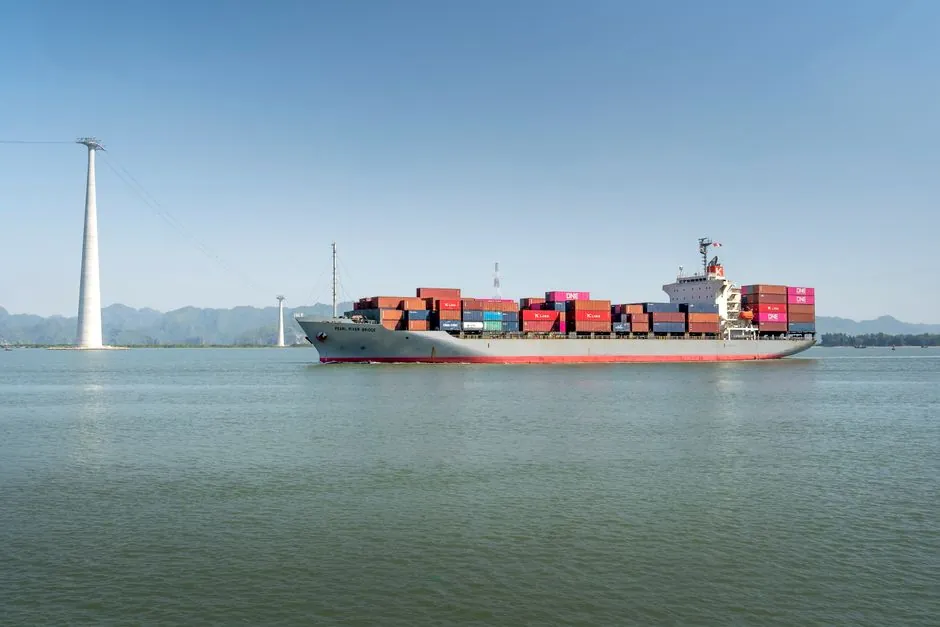
The U.S. Department of Energy issued a conditional commitment for $17.5 billion in American Nuclear Supply Chain Loans to finance long-lead equipment for 10 large-scale commercial reactors and accelerate deployment by up to three years [S1].
The DOE’s Office of Energy Dominance Financing issued a $17.5 billion conditional loan commitment to help finance five eligible projects sponsored by utilities and energy companies nationwide and accelerate the deployment of 10 large-scale commercial nuclear reactors across the United States by up to three years.
What Readiness Means for New Large Reactors
Readiness is the ability to deliver a licensed reactor design as a repeatable sequence of qualified components, controlled fabrication, site construction, fuel delivery, licensing, and commissioning. A reactor blueprint alone does not create operating capacity, because pressure vessels, fuel, instrumentation and controls, specialized welding, nuclear-code manufacturers, and long-lead procurement must arrive in the required sequence [S5].
The program supports the deployment of 10 large-scale commercial nuclear reactors across the United States by up to three years. Each project covers two units, and bulk equipment purchase orders are intended to reduce unit costs, create supply-chain efficiencies, and shorten deployment schedules by as much as three years [S1].
Procurement will be staggered according to equity commitments and other relevant factors, making committed sponsor equity a practical trigger for factory orders rather than an administrative afterthought [S1].
Financing Structure and Procurement Conditions
The DOE structure separates manufacturing commitment from full loan disbursement. The $17.5 billion American Nuclear Supply Chain Loans will help finance five eligible projects sponsored by utilities and energy companies nationwide and accelerate the deployment of 10 large-scale commercial nuclear reactors across the United States by up to three years.
The conditional loans will finance the purchase of long-lead-time items needed to rebuild America’s commercial nuclear supply chain. These items require comparatively long manufacturing and delivery periods, which makes their price, production slot, inspection evidence, and delivery date critical path variables rather than routine purchasing details [S1].
The $17.5 billion commitment remains conditional. Before definitive financing documents are executed and funds are released, DOE and the participating company must satisfy technical, legal, environmental, and financial conditions [S1]. Investors should therefore distinguish an authorized financing envelope from funded procurement orders and distinguish a purchase commitment from delivery of qualified nuclear equipment.
Reactor Type Comparison and Manufacturing Strategy
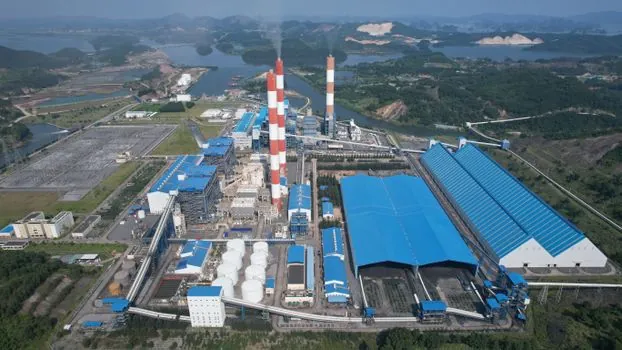
The choice between large reactors and SMRs affects factory loading, standardization, financing, and supplier recovery. Small modular reactors are changing the way nuclear is built by placing the supply chain at the center of nuclear deployment.
The most credible path for new large reactors is not maximum customization but controlled repetition: one approved design, common procurement specifications, qualified production slots, traceable inspection records, and consolidated orders. The reactor supply chain illustrates the broader industrial principle that repeatable production requires repeatable materials, manufacturing, inspection, and documentation.
Fuel, Transportation, and Licensing Constraints
Fuel supply and transportation remain deployment conditions rather than closing details. Advanced reactor fuel production is being treated as a critical bottleneck, with expanding production identified as an important 2026 objective [S7]. Transportation readiness also requires package certification, regulatory adjustments, logistics, and infrastructure to evolve together [S3].
A licensing pathway can reduce procedural uncertainty, but it does not remove the need for transport-package approval, route planning, carrier coordination, and infrastructure compatible with each fuel type [S3].
The operational requirement is long duration under demanding conditions. Safety-related equipment requires rigorous quality assurance across materials, fabrication, inspection, testing, and documentation, with material certificates and manufacturing records following critical components through production and installation [S5]. A documented product is therefore necessary, but it remains insufficient if delivery schedules and licensed operating arrangements do not converge.
Who the Financing Fits and Who It Does Not
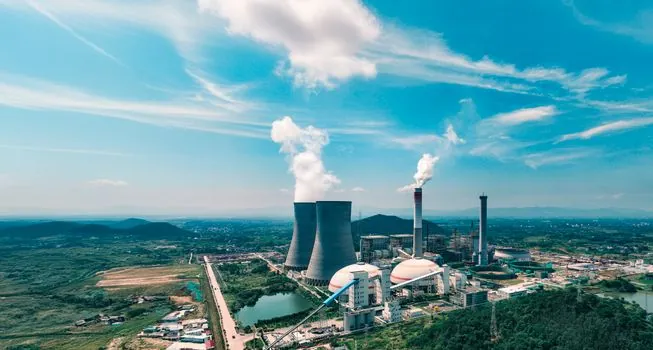
The loans will help finance five eligible projects sponsored by utilities and energy companies nationwide to accelerate the deployment of 10 large-scale commercial nuclear reactors across the United States by up to three years. It also favors manufacturers able to support fixed-price long-lead procurement, repeatable nuclear-code production, and documented delivery performance [S1].
It does not remove the need for a complete sponsor team, site readiness, regulatory authorization, qualified vendors, or fuel logistics. The DOE condition requiring technical, legal, environmental, and financial clearance means an applicant without sufficient equity, project maturity, or permitting readiness cannot treat the $17.5 billion program as unrestricted working capital [S1].
Smaller reactor projects are not excluded from nuclear supply-chain rebuilding, but they face a different commercial structure. NuScale's production activity for 12 Power Modules illustrates the factory-scale route, while repeated Gen III+ deployment was identified as a way to rebuild domestic manufacturing foundations [S5][S8].
Global Delivery Context and Trackable Signals
Global nuclear generation reached 2,702 TWh in 2025, 35 TWh above 2024, and supplied about 9% of world electricity. Global operable capacity is projected to reach 1,467 GWe by 2050 if operating reactors run for as much as 80 years, projects under construction, planned, or proposed enter service, and national capacity targets are met [S4].
That 1,467 GWe projection depends on more than reactor construction. It requires industrial conversion of designs into qualified production, sustained fuel cycles, compatible transportation systems, financing, regulation, and workforces able to execute repeated nuclear projects [S3][S4][S5].
The most useful readiness indicators through 2026 are definitive loan documents, completed $500 million equity commitments, fixed-price purchase orders, confirmed factory slots, evidence of nuclear-code inspection, and transport-package readiness for each fuel design. Trackable progress at uranium fuel supply will show whether the upstream fuel cycle can support reactor schedules rather than merely report nominal mining capacity.