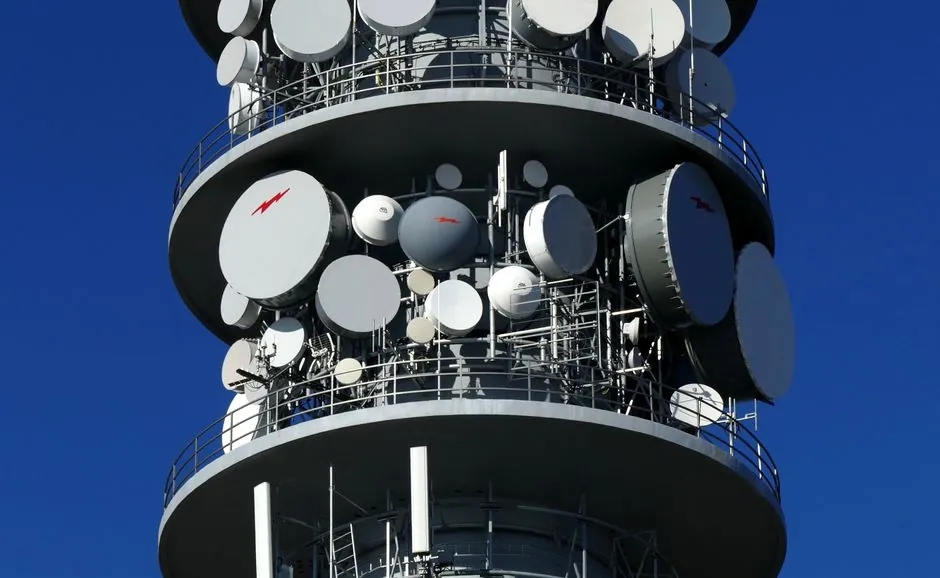
Line frequency (mains-frequency) induction furnaces draw power directly from the 50 Hz or 60 Hz grid and melt via a refractory-lined channel inductor, which makes them a distinct family from medium-frequency or intermediate-frequency coreless furnaces that need an inverter-driven static frequency converter [S1][S2].
For telecom-enclosure foundries casting aluminum-alloy housings, road-side cabinets and heat-sink castings in the 500 kg to 40 t class, the 2026-07 sourcing window shows 1-Set MOQ Chinese builds in the 8,800-180,000 USD band with 2006/42/EC machinery-safety certification on common catalog SKUs [S2].
What "line frequency" actually means in a foundry
A line frequency induction furnace, literally a "low-frequency induction furnace" in older Chinese technical nomenclature, uses the same 50/60 Hz mains frequency as the grid rather than an inverter-upconverted medium or intermediate frequency [S4]. Channel-inductor (submerged-resistor) types need a heel of molten metal to start the electromagnetic loop, while coreless mains-frequency builds are niche and used mainly for very large tonnage [S1][S2].
Where a VFD-fed intermediate-frequency melting furnace runs 200 Hz to 10 kHz to stir the bath more aggressively, a mains-frequency channel furnace runs quieter, has higher electrical efficiency at steady state, but cannot melt a charge from cold in one go. That constraint dictates the right application envelope.
Telecom-enclosure casting: which alloys and batch sizes fit
Aluminum alloys A380, A383 and ADC12 dominate telecom-enclosure die-cast or sand-cast part production, with liquidus around 580-620 degrees C, well inside the steady-melt range of a 1-10 t line frequency channel furnace [S2].
For a foundry running three shifts melting 1-5 t/h of aluminum return scrap (runners, biscuit, rejected castings), a 1.5-3 t twin-channel line frequency furnace pair is the typical cell. 1400 kW-class hydraulic-tilting medium-frequency builds sit one tier up the same catalog and are aimed at steel and iron, not the lighter aluminum throughput that telecom enclosures need [S1].
Tier-one suppliers active in this 2026-07 sourcing window include Tangshan Fengrun District Runhao, Guangzhou DT Exp. & Imp. Co., Ltd. and Wuxi Jizhou, with Guangdong-based Diamond Members offering 5.0/5.0 review scores and fast-dispatch tags on induction-melting SKUs [S1][S2][S3].
Selection criteria for a foundry buyer in 2026
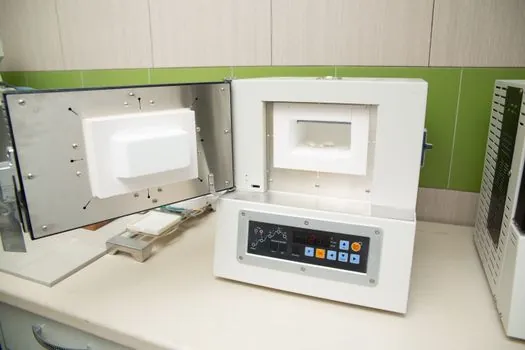
First, decide the tonnage per shift. A line frequency furnace under 500 kg rated capacity is rare; the catalog sweet spot is 500 kg to 40 t for aluminum, copper and iron combined, and below 1 t the intermediate-frequency coreless induction furnace usually wins on flexibility [S2].
Second, check certification. Most export-grade Chinese catalog units in the 8,800-180,000 USD window show 2006/42/EC (Machinery Directive) compliance, plus optional ISO 9001, CE, GS and RoHS in the certification filter on the metal-casting machinery category page [S3]. For an EU-bound telecom OEM, 2006/42/EC plus CE on the control panel is the minimum package to clear customs and CE-marking audits.
Third, weigh the auxiliaries. A tilting hydraulic furnace at 1,400 kW needs a 1,600 kVA step-down transformer, water-recirculation at 25-40 degrees C inlet, and a PLC control cabinet; the PLC versus CNC versus artificial (manual) control filter on the 2026 product list lets a buyer pin the spec at the catalog level [S1][S3].
Comparison: line frequency vs medium frequency vs intermediate frequency
On the three decision criteria that matter to a telecom-enclosure foundry, the comparison is concrete: capital cost, melt rate, and cold-start ability. Line frequency channel furnaces have the lowest per-tonne capital cost at 1-10 t scale, give a steady 1-3 t/h aluminum melt rate once a heel is established, but cannot start from a fully empty vessel. [S2]
Practical pick for telecom-enclosure volume: line frequency for 3-shift continuous aluminum melting, intermediate frequency for 1-2 shift job-shop work that changes alloy often, and medium frequency for steel and iron where penetration depth at 1-3 kHz matters. The 30,000-35,000 USD entry-level medium-frequency scrap-steel unit on the same 2026-07 page confirms the steel-tier price floor sits 2-3x higher per tonne than an aluminum line-frequency build [S1][S2].
Installation footprint and the production line context
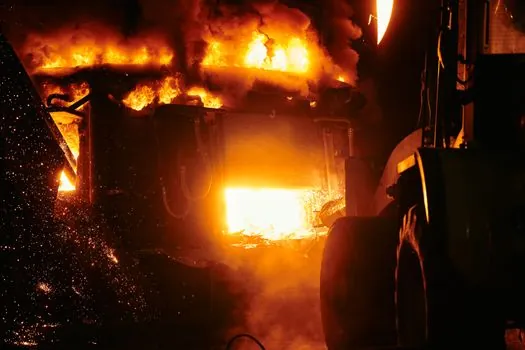
Unlike a greenfield melt shop, a brownfield upgrade that drops in a line frequency furnace usually anchors a continuous casting and molding line sized to match the melt rate, so the bottleneck shifts to holding and pouring. [S3]
For a 2-4 t/h aluminum cell feeding a vertical or horizontal automatic molding line, the furnace-to-mold transfer launder is the critical-path design point; pour temperature needs to hold at 680-720 degrees C through a 10-15 m launder, which a line frequency coreless or channel furnace can do with refractory preheat but not without a 20-30 kW holding boost at the launder tail.
Foundries in this segment also use post-cast cooling conveyors and shot-blast cells tied into the same supervisory PLC; the conveyor and sorting line that follows the mold line is where 80% of the daily takt-time variation shows up, not at the melt itself.
Failure modes, constraints, and what the catalog will not tell you
Channel-inductor lining wear is the dominant maintenance item on a line frequency furnace; alumina or magnesia ramming mix life is typically 300-800 heats in a busy aluminum service, and a channel leak is a catastrophic event, so most operators keep a spare inductor and a holding furnace on hot stand-by. [S1]
The 8,800-180,000 USD catalog range on 2026-07-10 covers bare furnace price, not the refractory preheat, hydraulic power pack, dust extraction above 5 mg/m^3, or 2006/42/EC risk-assessment file; a buyer should price those auxiliaries at 20-40% of the bare furnace cost [S2][S3].
Standards and sourcing signal for 2026-08
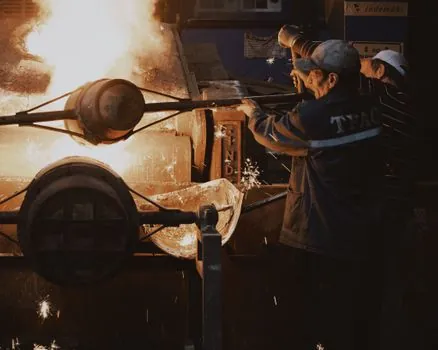
The 2026-07 sourcing feed shows three cert-filter defaults active on the metal-casting machinery category: ISO 9001, CE, and 2006/42/EC, with GS and RoHS as add-on filters and PLC control as the most-listed control type on Chinese export SKUs [S2][S3].
No research-source signal inside the 2026-07 to 2026-08 window announces a new EU or US regulatory revision that retargets telecom-enclosure aluminum foundries, so the 2006/42/EC Machinery Directive plus the IEC 60204-1 electrical-equipment-of-machines expectation remain the practical compliance anchors for any line frequency induction furnace shipped to an EU telecom OEM today.
Trackable next nodes: (1) the Made-in-China category pages for frequency induction furnace and intermediate frequency induction furnace refresh their catalog MOQ and cert panels weekly, so a price recheck between RFQ issue and PO placement is worth the 10 minutes; (2) a confirmable 2026-Q3 spec gate worth a separate RFQ is the channel-inductor lining-life guarantee in heats, which no current public catalog states numerically.
Background reading: Linear bearing selection for food processing: 2026 spec gates.