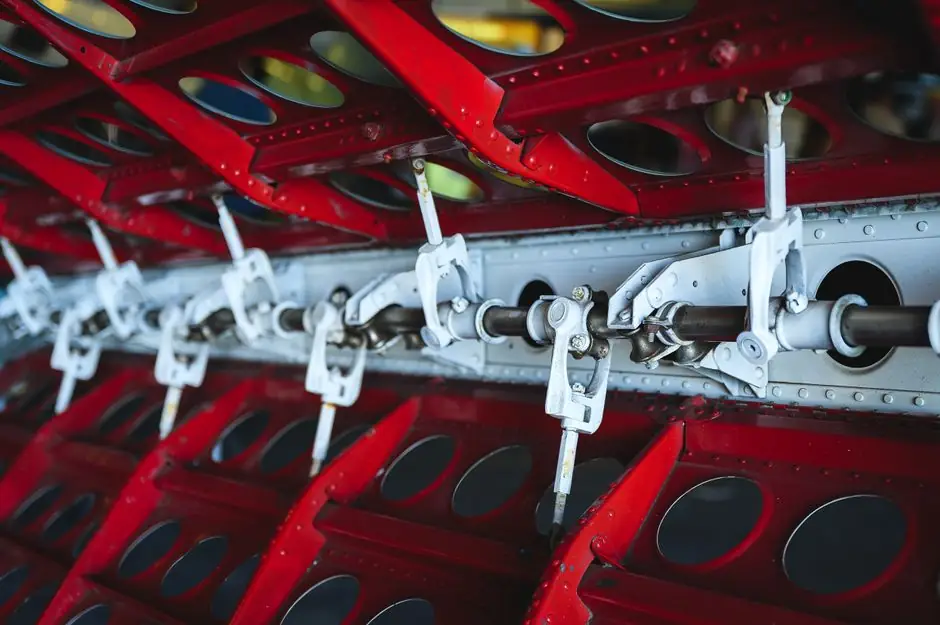
A magnesium die casting machine for hardware manufacturing is specified by three binding numbers: cold-chamber clamping tonnage from 160 t up to 1600 t, shot weight envelope of roughly 5-2500 g per stroke, and a protective gas system rated for melt handling above the 400°C magnesium oxidation threshold [S2][S3].
The decision is most often driven by part family, not by machine brand: automotive structural brackets, 3C electronics housings, power-tool gearboxes, and LED heat sinks each push different combinations of tonnage, platen size, and intensifier pressure [S1].
Machine architecture: cold-chamber HPDC vs hot-chamber for magnesium
Cold-chamber high pressure die casting (HPDC) is the dominant configuration for magnesium hardware parts because magnesium alloys oxidize above 400°C and require a protective SF6/N2 or argon-blanketed melt-dosing unit between furnace and shot sleeve [S2].
Hot-chamber magnesium cells exist but are reserved for small zinc-like geometries; for the bulk of hardware part weights seen in Dongguan-style production, cold-chamber machines with integrated melting-dosing, gas-mixing, and die heating-cooling sub-systems are the engineering default [S1][S2].
Tonnage, platen, and shot weight bands mapped to part families
Hardware plant selections typically split into four tonnage tiers, each tied to a part envelope: 160-400 t for 3C electronics and small power-tool housings under 200 g, 400-800 t for mid-size power-tool gearboxes and camera bodies up to 1 kg, 800-1250 t for automotive seat frames and e-bike motor housings of 1-3 kg, and 1250-1600 t for large structural magnesium brackets in EVs and LED light-engine heat sinks above 3 kg [S3].
Tianyao Hardware's published product range on its magnesium auto-parts and bow-shank product pages covers small precision magnesium castings through mid-size structural parts, matching this 160-1250 t band as the practical hardware-shop sweet spot [S1].
Platen size must clear the projected area at roughly 30-60 MPa of specific injection pressure, which is why intensifier pressure in the 50-100 MPa range is the practical operating window for magnesium HPDC cells [S2].
Alloy, melt, and protective-gas requirements
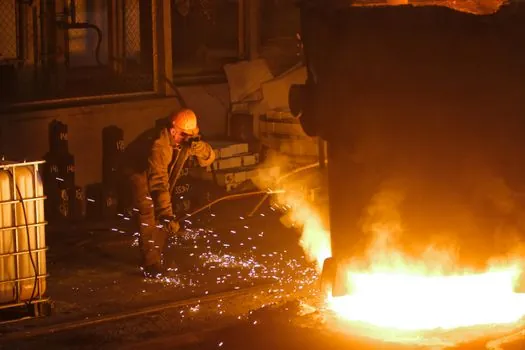
AZ91D is the default magnesium alloy for hardware die castings because it combines good castability with a melting range around 470-595°C; AM60B and AM50A are picked where higher ductility is needed, such as automotive seat or steering components, while AS41B serves elevated-temperature brackets [S2].
Because magnesium oxidizes above 400°C, the gas mixing system on a magnesium die casting machine is not optional: SF6 cover gas at 0.2-0.5% in dry air, or argon/N2 blends on newer cells, is standard practice to keep the melt bath inert during dosing and shot [S2].
For plants running both magnesium and aluminum in shared foundries, separate cold-chamber machines plus segregated melt holders are the safer layout; cross-contamination of magnesium melt with aluminum or zinc residues is a documented ignition risk and is best handled by dedicating cells, not by sharing dosing hardware [S2].
Process control: intensification pressure and gate velocity
Two process parameters drive magnesium HPDC part density and mechanical properties: intensification pressure typically set in the 50-100 MPa band, and gate velocity controlled to roughly 30-80 m/s to avoid oxide entrainment and cold-shut defects [S2].
Slow shot phase, vacuum-assist for large structural parts, and real-time intensification pressure monitoring via load cells on the shot cylinder are the practical automation additions that improve magnesium HPDC yield on hardware parts where porosity rejection is the dominant cost driver [S2].
Vacuum-assisted HPDC is increasingly specified for magnesium safety-relevant brackets on the same plants that run aluminum die casting machines for body hardware, because the vacuum removes entrapped air that would otherwise burn in the magnesium melt and create porosity [S2].
Hardware-sector application matrix and limitations

Dongguan Tianyao Hardware's published application list spans auto parts, electric tools, electric car components, sports equipment, 3C electronics, communication electronic components, bow handles, photographic equipment parts, and LED lighting radiators, all of which map to magnesium's combination of low density (about 1.74 g/cm³, roughly 35% lighter than aluminum) and high specific stiffness [S1].
Magnesium hardware is NOT a good fit where wall sections drop below 1.0 mm on long flow paths, where the part is exposed to sustained temperatures above about 200°C in service, or where the production volume is below the threshold that justifies a dedicated protective-gas HPDC cell with SF6 abatement [S2].
For thin-wall 3C housings where magnesium competes with zinc die casting machine cells on cosmetic surface finish, or with magnesium-then-aluminum hybrid tooling, the selection logic shifts back to tonnage and cosmetic-grade surface treatment capacity rather than alloy choice alone [S1][S3].
Standards, quality system, and sourcing signals
Hardware-tier magnesium die castings supplied into automotive programs are typically gated by IATF 16949 quality systems at the foundry, with ISO 9001 as the lower bound for general hardware and 3C customers [S1].
Plant-level equipment audits for new magnesium HPDC cells should confirm protective-gas concentration monitoring, melt-temperature interlocks above the 400°C oxidation point, shot-sleeve purge cycles, and a documented SF6 capture or abatement path; these are the four non-negotiables that separate a magnesium-ready cell from a retrofitted aluminum cell [S2].
Cross-reference tooling decisions against the dedicated magnesium die casting machine and gravity die casting machine configuration notes, and against the vacuum die casting machine options where porosity on structural brackets is the gating defect mode [S1][S2].
Trackable signals for the next sourcing cycle: published tonnage and shot-weight envelopes on hardware-foundry product pages such as Tianyao's magnesium auto-parts and bow-shank lines [S1], and the number of new cold-chamber magnesium cells with integrated gas-mixing units appearing on Chinese supplier lists in the second half of 2026 [S2].
For related coverage, see Vibrating Conveyor Selection for Automotive Parts Logistics: 2026 Spec Map.