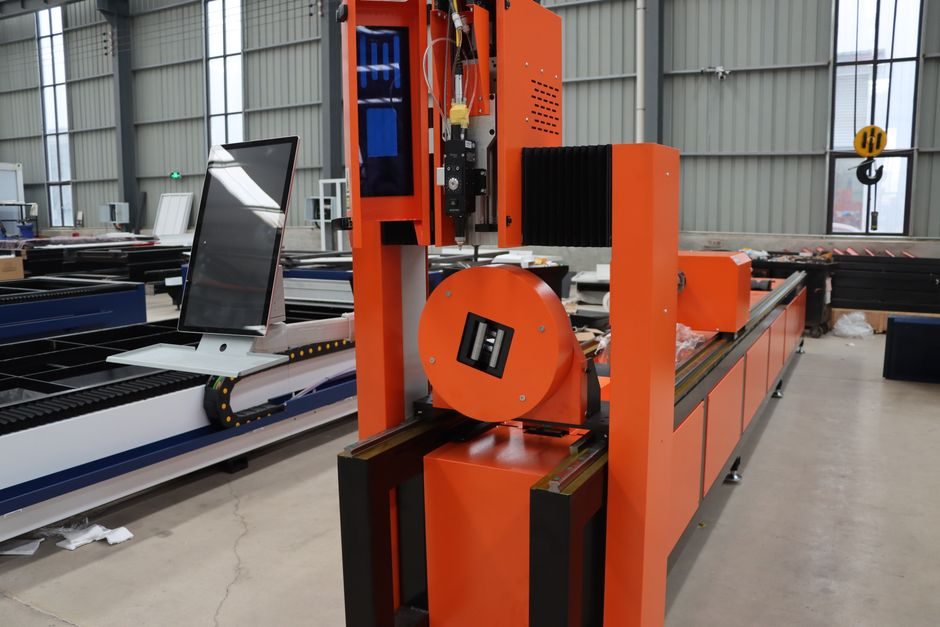
Magnesium cold-chamber die casting machine supply is concentrated in five Chinese OEM clusters, with published tonnage bands running from 400T LH-HPDC bench units up to 1250T fully automated horizontal cold-chamber lines carrying a 1-piece MOQ at US$258,850-258,950 FOB China [S2][S4].
The buying decision is alloy-driven: magnesium at 1.8 g/cm3 is the lightest structural metal in commercial use, so the machine's job is to inject that low-density melt at speeds the aluminum die casting machine line typically handles only at higher platen forces and heavier shot weights [S9]. Sourcing is a 2026 cluster story, not a catalogue story.
Alloy and Machine Match-Up: Why Magnesium Forces Cold-Chamber Geometry
Magnesium's 1.8 g/cm3 density gives it the best strength-to-weight ratio of any commonly used structural metal, with high dampening and dimensional stability that suit thin-wall instrument panels and steering frames [S9]. That same chemistry is what pushes the equipment choice: molten magnesium attacks ferrous shot sleeves, so magnesium-rated cells are built as cold chamber die casting machine platforms with steel shot sleeves protected by liner protocols, while zinc die casting machine hot-chamber builds (ZAMAK) stay in a separate product line that does not carry magnesium ratings [S5].
Published Chinese-OEM magnesium HPDC benches sit at 400T platen force for the LH-HPDC 400T cold-chamber model covering aluminum, copper and magnesium alloys, with no MOQ discount bracket and shipping terms handled as 1 Set per order on the B2B exchanges [S2]. The geometry difference is not cosmetic: a 400T magnesium cell typically targets shot weights of 1-3 kg, while the 1250T fully automated line at US$258,850-258,950 targets structural automotive components that would otherwise be die-cast in aluminum on a comparable vacuum die casting machine cell at higher tonnage and energy cost [S4].
Five OEM Clusters and Their Tonnage Footprint
Guangdong (Shenzhen, Dongguan, Foshan, Shunde) is the design-and-export cluster: Shenzhen Weitenglong Technology Co., Ltd. sits there as a manufacturer/factory renamed in 2014, with a Main Product line dedicated to die casting machines and a Business Range registered as Manufacturing & Processing Machinery [S7]. Shunde-based Lanson anchors the medium-tonnage range, with cold-chamber dies casting models listed from 650T up to 900T under the "medium die casting machine" series, and a Shunpan Road, Daliang, Shunde District factory address that matches the 2026 export-channel listing [S1].
Anhui (Bengbu) is the high-tonnage cluster. Bengbu Long Hua Die Casting Machine Co., Ltd. is the audited Diamond Member listing the LH-HPDC 1250T Fully Automated Cold Press Die Casting Machine at US$258,850-258,950 per 1-piece MOQ, branded for "high-volume high-capacity production" and shipping from Anhui, China [S4]. Shandong and Jiangsu supply cell auxiliaries: Shandong Bullis Metallurgical Engineering Co., Ltd. lists a Cast Magnesium 1-Set MOQ at US$57,000-230,000, and the wider Made-in-China category page shows magnesium melt and flux products at the US$7-60 per 100 kg band coming out of Henan [S8]. Zhejiang rounds the cell out, with Ningbo Beilun Allway Machinery Co., Ltd. listed in the polishing-and-finishing sub-category at US$10,000-400,000 per machine on the same B2B exchange [S6].
Price Bands and MOQ Floors Across Tonnage
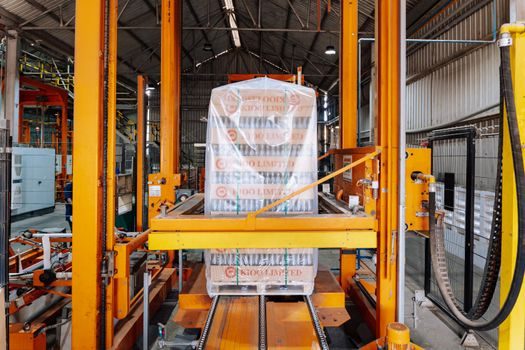
The 2026 HPDC magnesium price ladder clusters into four bands. Bench cells: the LH-HPDC 400T cold-chamber machine, aluminum-copper-magnesium rated, sits in the low-USD tens of thousands per set range with a 1 Set MOQ on Made-in-China [S2]. Mid-tonnage cold-chamber: the 650T-900T Lanson medium series is published in the same B2B range, with no on-page list price and a "contact for quotation" model typical of mid-range cells [S1]. High-tonnage automated: 1250T LH-HPDC at US$258,850-258,950 per 1-piece MOQ is the clearest benchmark on the page, a narrow US$100 spread that suggests an FOB-China all-in figure including standard automation but not necessarily a magnesium die casting machine -rated shot-end kit [S4]. Material feedstock: 100 kg MOQ of magnesium raw stock at US$7-60/kg from Dome Metals Co., Ltd. and similar Gold Members on the Henan listing [S8].
Cell auxiliaries sit in a wider band: mould polishing and surface-finishing machines from Ningbo Beilun Allway Machinery run US$10,000-400,000 per 1-piece MOQ, a 40x spread that reflects the gap between bench polishers and integrated robotic cells [S6]. The wider Alibaba magnesium die casting supplier page adds casting-part outsource options with 1-piece MOQ at US$1.10-1.69 per part for aluminum hardware from Shandong and Guangdong mills - useful as the outsource alternative when in-house magnesium tonnage is not justified [S3][S10].
Selection Criteria: Tonnage, Automation, Shot Weight, Atmosphere
First criterion is platen force, which fixes the projected part area and the magnesium shot weight. The 400T LH-HPDC covers small magnesium brackets and covers, the 650T-900T Lanson medium series covers instrument-panel cross-car beams and steering-column housings, and the 1250T LH-HPDC covers seat frames and front-end carriers where a gravity die casting machine variant cannot match cycle time [S1][S2][S4]. Second is shot-end atmosphere: magnesium cells need SF6/CO2 cover gas or vacuum-assist envelopes, which is why buyers should compare vacuum die casting machine options separately - the 1250T Long Hua line is described as "Fully Automated" rather than vacuum-rated, so buyers needing porosity-critical structural parts must confirm vacuum retrofit availability before placing the US$258,850 PO [S4].
Third is automation tier: the 1250T Long Hua build is listed with "advanced technology" and "high-volume high-capacity production" framing, which in practice means robotic extraction, spray, and ladle dosing, while the 400T bench ships as a manual cell where the operator ladles and trims [S2][S4]. Fourth is control platform: the B2B listings do not name the PLC/HMI, so a buyer must request the controller model in writing. Buyers who do not have in-house magnesium experience should also reference the Gravity Die Casting Machine sizing and selection article to align platen and shot weight, since gravity cells are a useful bench-test step for prototype magnesium castings.
Who the Magnesium Cell Is For - and Who It Is Not For
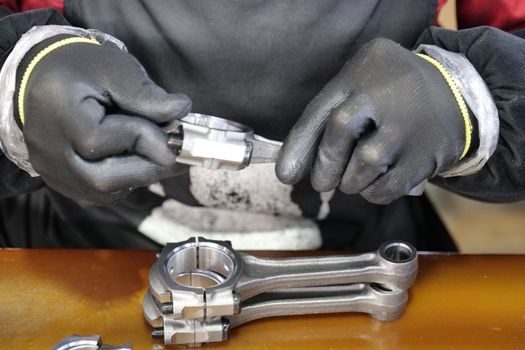
Magnesium cold-chamber HPDC is for buyers running automotive structural parts, lightweight electronics housings, and mobility frames where the 1.8 g/cm3 density advantage justifies the SF6 gas handling and the cold-chamber cycle penalty [S9]. It is also the right choice when annual magnesium volume exceeds roughly 100 tonnes and the part count justifies a 400T or larger cell. The 1250T fully automated tier becomes economical at three-shift automotive volumes with shot weights in the 5-12 kg range, where the US$258,850 capex amortises against labour and energy savings on a cycle-time basis [S4].
It is NOT for buyers running only zinc hardware, who should stay on the zinc die casting machine hot-chamber line at a fraction of the tonnage cost, and NOT for prototype-only shops, where the outsource path on Alibaba at US$1.10-1.69 per part from audited Diamond Members is the lower-risk option [S3][S10]. It is also not for buyers who need ultra-thin-wall cosmetic surfaces with zero porosity - those parts still route to vacuum-rated cells, not standard HPDC.
Cross-Vendor Comparison: 400T vs 650-900T vs 1250T Magnesium Cells
On platen force and shot weight, the 400T LH-HPDC anchors the entry tier with the lowest capex and the tightest part-size envelope, the 650-900T Lanson medium series covers the cross-car and steering-housing band with mid-tier cycle times, and the 1250T LH-HPDC covers seat frames and front-end carriers at the largest published footprint in the Chinese OEM set [S1][S2][S4]. On automation, the 400T ships manual, the Lanson 650-900T is documented on the supplier page as a focused medium-tonnage line, and the 1250T is explicitly Fully Automated with high-volume framing - the on-page price spread of US$258,850-258,950 leaves a US$100 negotiation band, narrow enough to be treated as a published list price rather than a quote-by-email [S4]. On magnesium-specific readiness, none of the three published model names on the B2B exchange pages explicitly confirm SF6-protective shot sleeve or vacuum-assist as a standard fit, which is the single most important spec to confirm in the RFQ stage.
Limitations and Failure Modes Buyers Hit in 2026
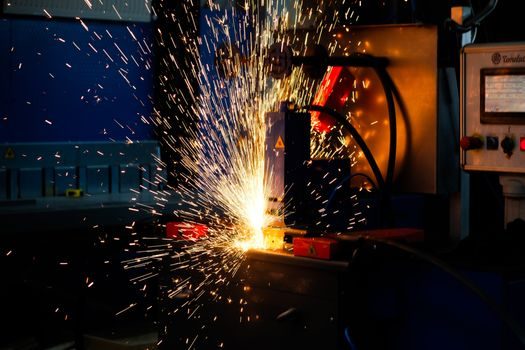
The biggest procurement failure mode is the wrong-alloy cell. Generic HPDC machines built for aluminum will run magnesium, but the shot sleeve, plunger tip, and furnace transfer hardware must be specified for Mg melt, otherwise steel-in-melt pickup and SF6 demand both spike. The published OEM pages do not state sleeve metallurgy in the spec block, so a buyer who orders the 400T LH-HPDC as a "magnesium cell" without writing the spec into the PO will receive a machine that can be configured for Mg but ships as a general cold-chamber unit [S2].
The second failure mode is automation under-spec. The 1250T "Fully Automated" label refers to the published description, not a third-party cycle-time guarantee, so a buyer expecting 30-second magnesium cycles on structural parts should request a cycle-time and SF6-consumption ramp-up curve in the FAT (factory acceptance test) clause [S4]. The third is supply-chain concentration: the bulk of the magnesium-rated supply is in Guangdong, Anhui, and Shandong, so a multi-source policy should be a deliberate two-cluster split (e.g. Guangdong Lanson for medium-tonnage, Anhui Long Hua for high-tonnage) rather than a multi-vendor split inside one cluster.
Standards, Compliance, and Sourcing Signals to Track
Magnesium die casting cells fall under the same machinery safety directives as other cold-chamber HPDC platforms, and OEM documentation for export shipments typically references GB/T and CE conformity markings. Buyers specifying cells for the European automotive tier should require the supplier to provide a written confirmation of REACH and RoHS compliance on the SF6 cover-gas system, since SF6 itself is regulated under EU F-gas rules for industrial process use. Alloy designations used on the OEM pages track the common AZ91D, AM60B, and AM50A families cited across the Made-in-China category listings, with no exotic rare-earth alloys advertised in the 2026 product descriptions [S2][S4][S9].
Trackable signals for the next sourcing window: (1) any 2026 H2 price action on the 1250T LH-HPDC at the US$258,850-258,950 published band; (2) any new vacuum-rated magnesium cold-chamber listing on the B2B exchanges, since that would close the porosity gap that currently pushes buyers toward aftermarket retrofit; and (3) any post-2026 regulatory movement on SF6 cover-gas use in magnesium cells, which would reshape both capex and operating cost across the entire magnesium die casting machine category. For cross-equipment reading, the Tower Crane Suppliers 2026 and Gearbox Suppliers 2026 articles use the same cluster-and-band sourcing frame and apply cleanly to the magnesium cell decision.